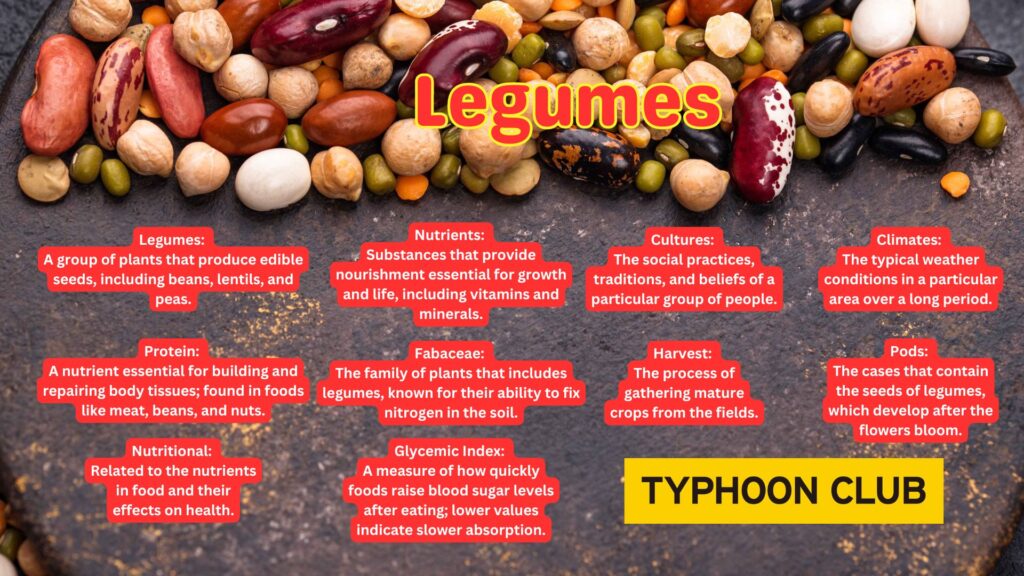
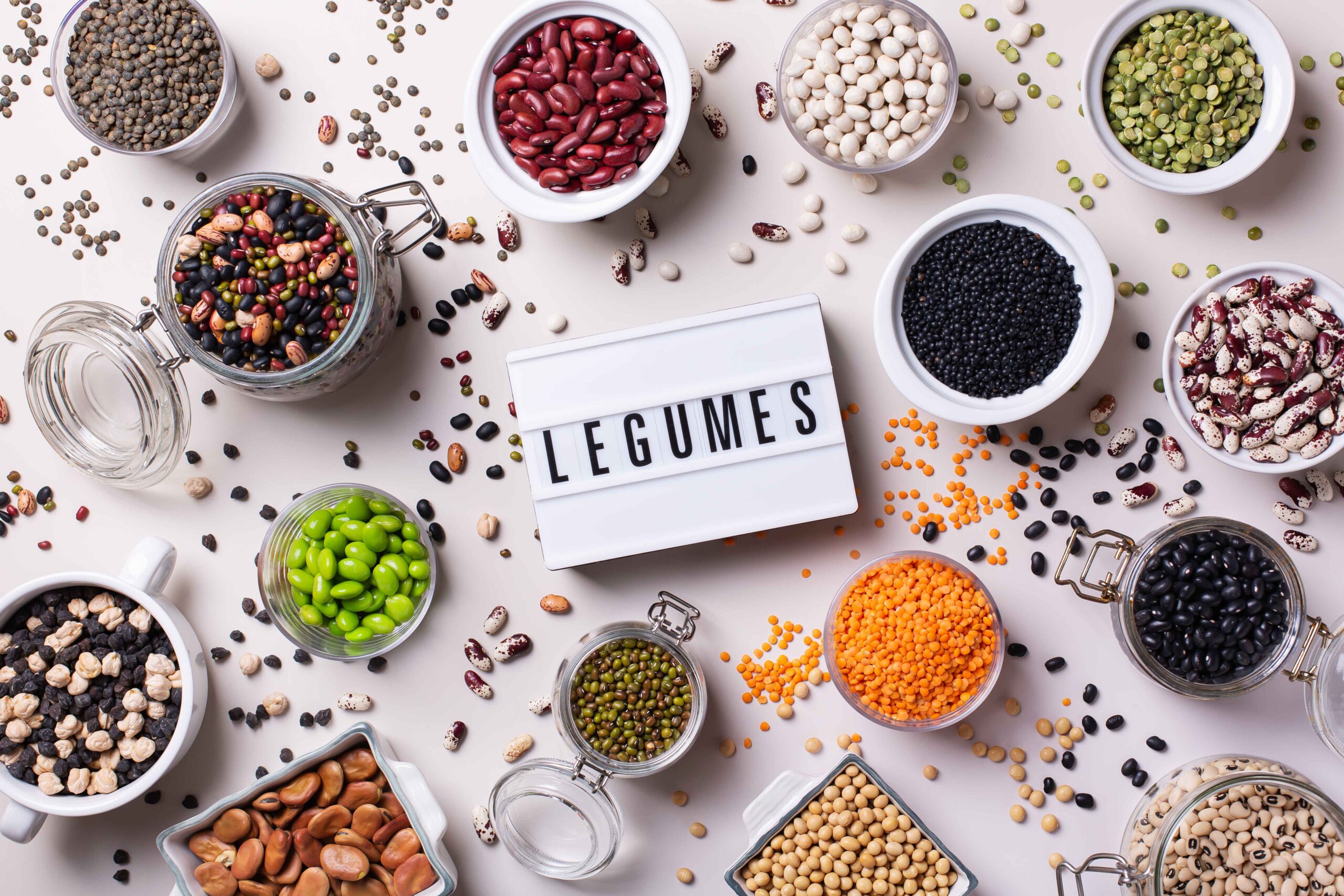
Legumes are a group of plants that include beans, lentils, peas, and chickpeas. They are known for their edible seeds, which are rich in protein, fibre, and essential nutrients. Legumes are a staple food in many cultures around the world and play a vital role in our diets.
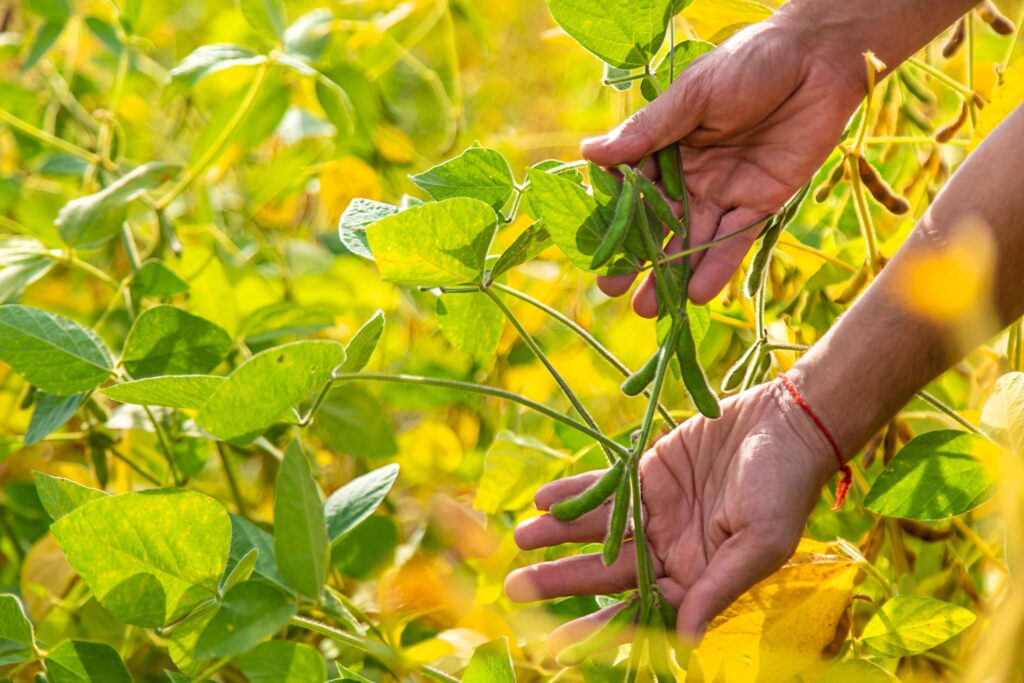
Legumes grow well in warm weather but can be found in various climates. They are special because they belong to a family of plants called Fabaceae. These take nitrogen from the air and convert it into something that plants can use in their growth. This process also helps make the soil richer and better for farming.
The growth cycle of legumes begins with planting the seeds in well-drained soil. They prefer sunny locations and need regular watering, especially during dry spells. As they grow, legumes develop flowers, which eventually produce pods containing the seeds. Depending on the variety, some legumes can take anywhere from 60 to 120 days to mature.
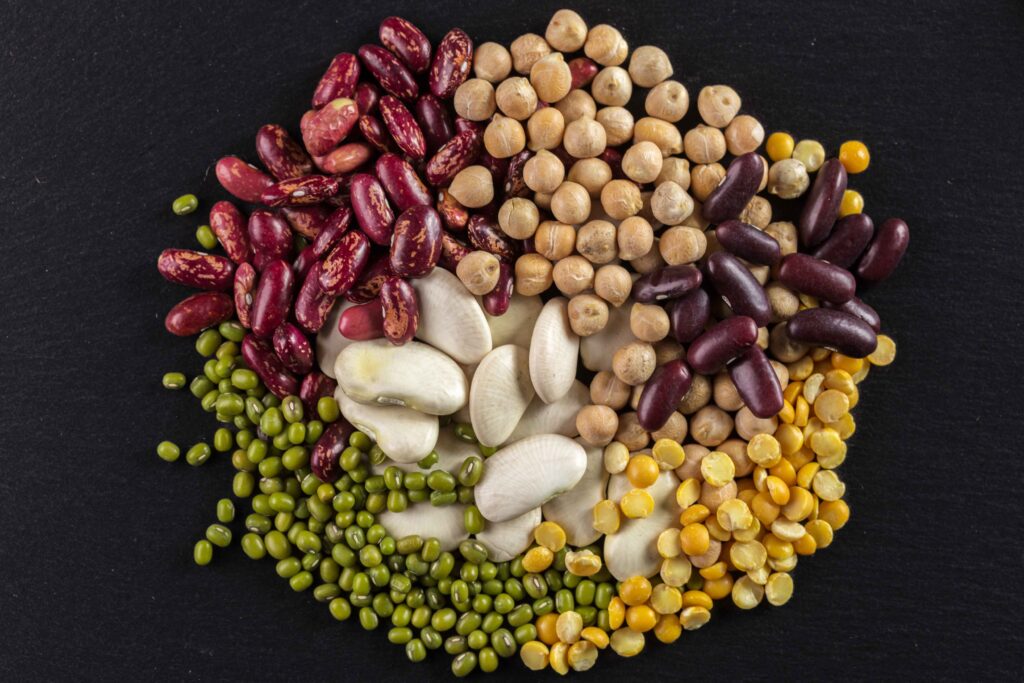
When it is time for harvest, farmers gather the pods by hand or with machinery. The pods are then dried to ensure the seeds inside are ready for storage or sale. Harvesting legumes at the right time is crucial, as it affects their taste and nutritional quality. Once harvested, legumes can be stored for long periods, making them a practical food source.

Eating legumes offers numerous health benefits. They are an excellent source of plant-based protein, making them ideal for vegetarians and vegans. Legumes are also high in dietary fibre, which aids digestion and helps maintain a healthy weight. Additionally, they are packed with vitamins and minerals, including iron, folate, and potassium.
Including legumes in your diet can also support heart health. Studies have shown that consuming legumes regularly can help lower cholesterol levels and reduce the risk of heart disease. Furthermore, they have a low glycemic index, which means they release energy slowly, helping to keep blood sugar levels stable.

By incorporating beans, lentils, peas, and chickpeas into your meals, you can enjoy their delicious flavours and textures while benefiting from the many advantages they offer for your health and well-being.
The seven healthiest beans and legumes you can eat:
QUESTION:

VOCABULARY: