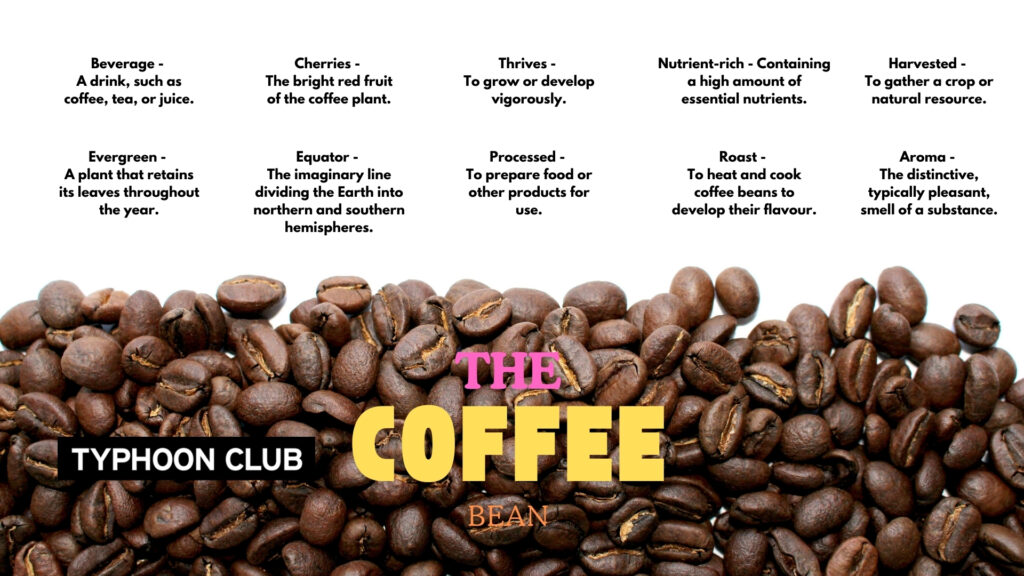

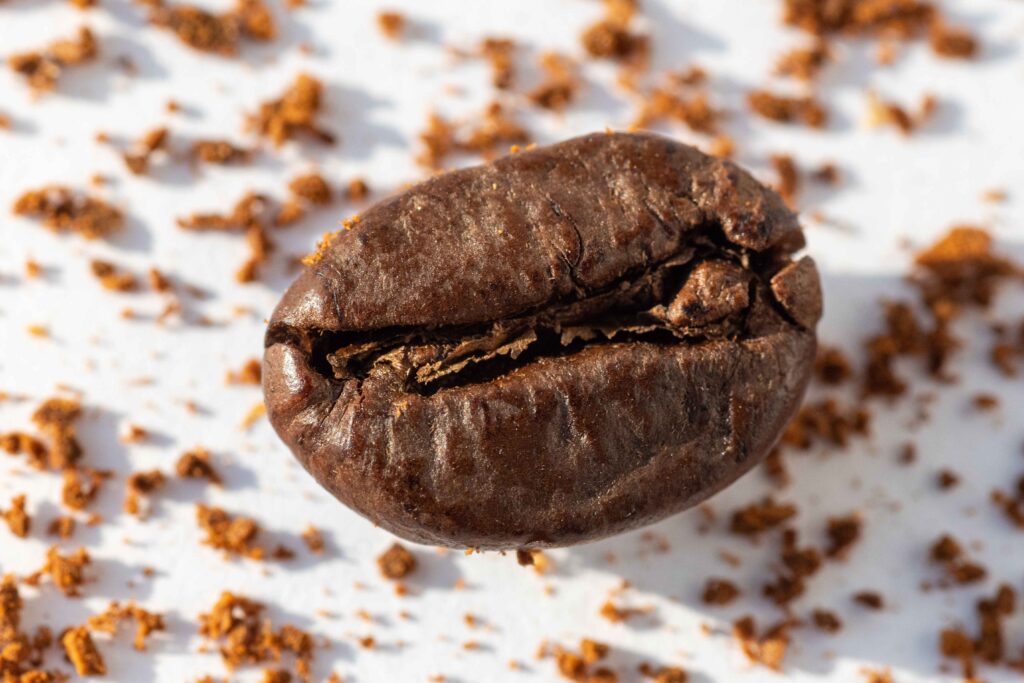
Millions of people around the world will start their day with a cup of coffee. They are all enjoying the fruits of an amazing plant – the coffee bean. These small, oval-shaped seeds are the key ingredient in one of the world’s most popular beverages.
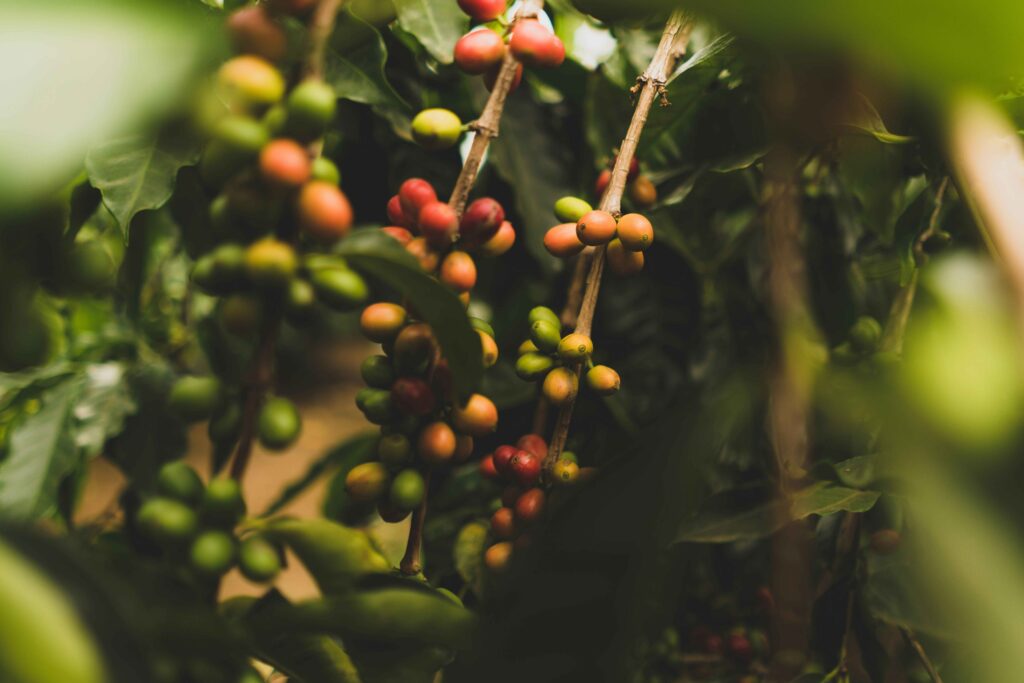
Coffee plants are evergreen shrubs or small trees that grow best in tropical regions near the equator. The coffee “beans” are actually the pits or “seeds” found inside the bright red berries, or “coffee cherries”, produced by the plant. As the cherries ripen, they turn from green to bright red.
Coffee is commercially grown in over 50 countries around the world, but the majority comes from just a handful of nations. Brazil is by far the world’s largest producer and exporter of coffee, responsible for around 40% of the global supply. Other major coffee-producing countries include Vietnam, Colombia, Indonesia, and Ethiopia – the birthplace of the coffee plant.
The coffee plant thrives in warm, humid climates with plenty of rainfall. The ideal temperature range is between 15-24°C, and the plants need about 1.5-2 metres of rain per year. They also require well-draining, nutrient-rich soil to grow their best.
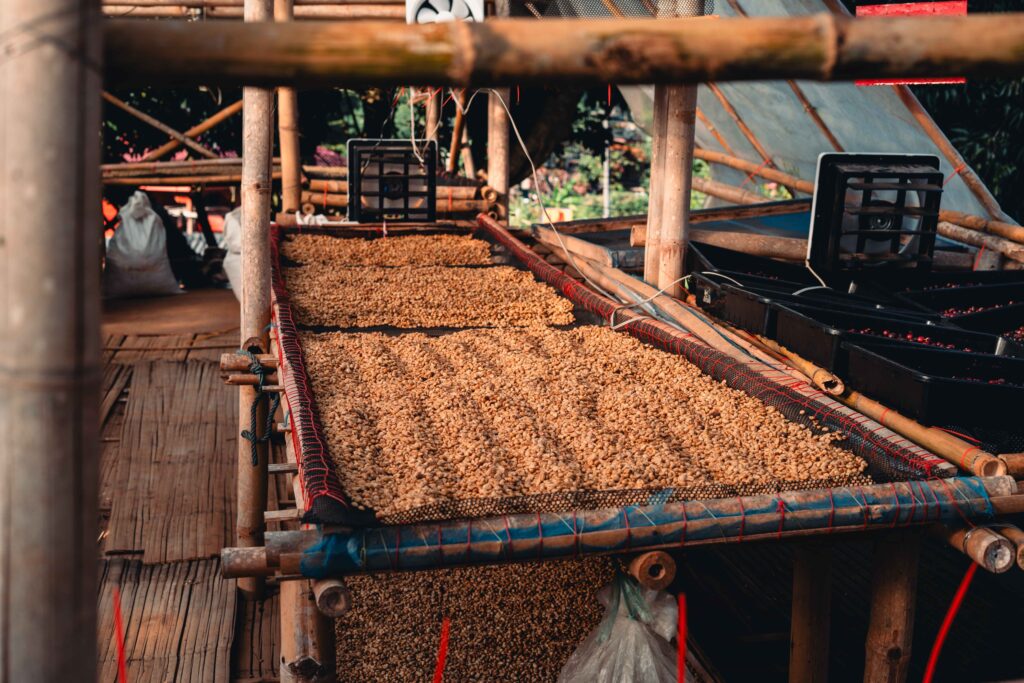
Once the coffee cherries have ripened, they are handpicked or machine-harvested. The beans are then processed to remove the fruit skin and pulp. There are two main processing methods – wet processing and dry processing.
In wet processing, the freshly picked cherries are soaked in water for 1-2 days to loosen the skin and pulp. They are then machine-milled to remove these outer layers, leaving just the inner bean. The beans are then dried, either in the sun or using machines.
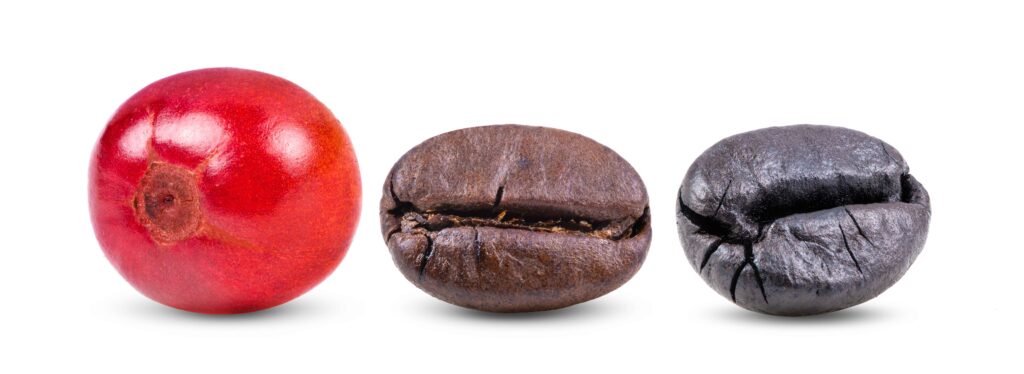
Dry processing, also called “natural” processing, is simpler. The freshly harvested cherries are simply laid out in the sun for 2-4 weeks to dry. Once dried, the outer layers are removed mechanically to reveal the inner bean.
After processing, the green coffee beans are exported around the world. Coffee companies then roast the beans to bring out their distinctive flavours and aromas before packaging them for sale. From seed to cup, it’s a long journey for the humble coffee bean – but one that results in that special morning brew many people enjoy.
Who are the largest coffee bean producers in the world?
QUESTION:

VOCABULARY: