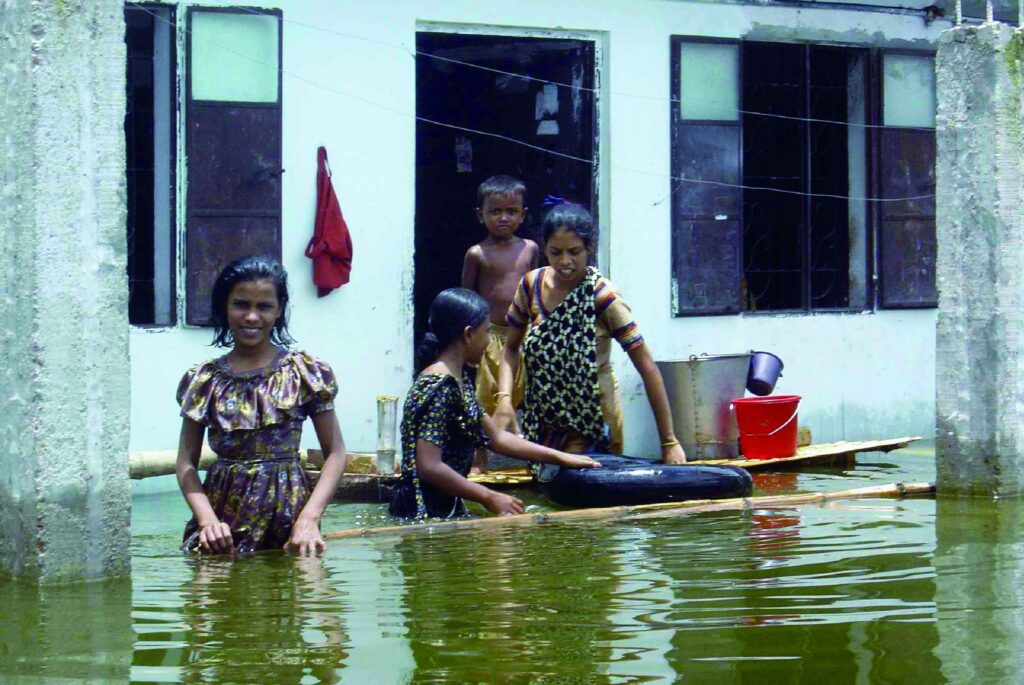
When a cyclone crashed into farmland on the southeast coast of Bangladesh, farmers feared their livelihoods were coming to an end. Most farmland in this area lies just one metre above sea level, and after the cyclone’s destructive visit, rice fields vanished beneath the rising sea. The local farmers, reliant on rice cultivation, faced a bleak future, believing that nothing could be done except to rely on foreign aid and charity.
However, an organisation called BRAC had a different vision. Instead of surrendering to despair, they sought innovative solutions to adapt to the changing environment. If rice could no longer thrive in the saline conditions left by the cyclone, what else could be cultivated? The answer was crabs.
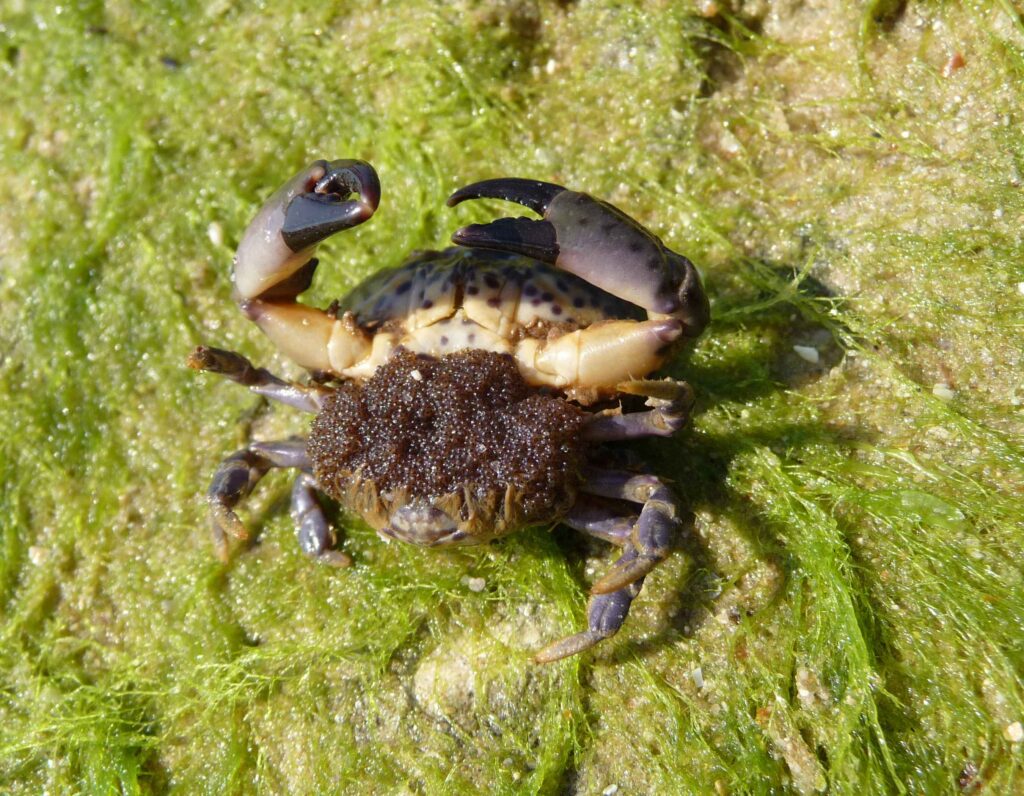
Crabs are a resilient species that thrive in brackish waters, making them ideal for the newly flooded fields. They feed on small fish and consume less than traditional crops, making them easier to farm. Additionally, no harmful chemicals are required in crab farming, which means it is an environmentally friendly alternative to rice cultivation. The rapid growth rate of crabs also appealed to farmers eager to restore their income quickly.
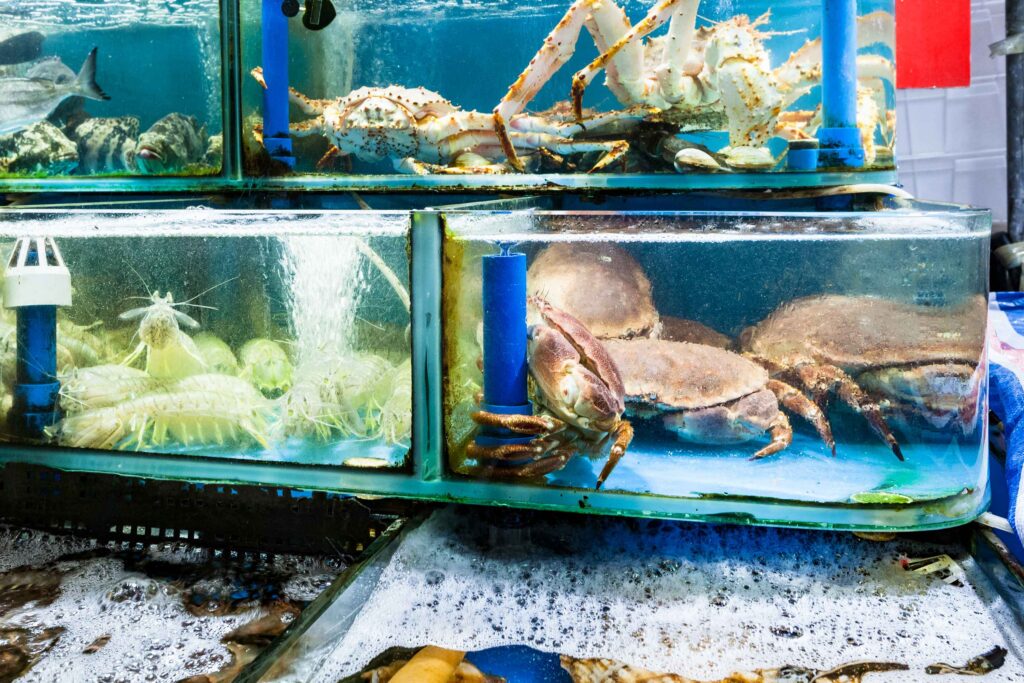
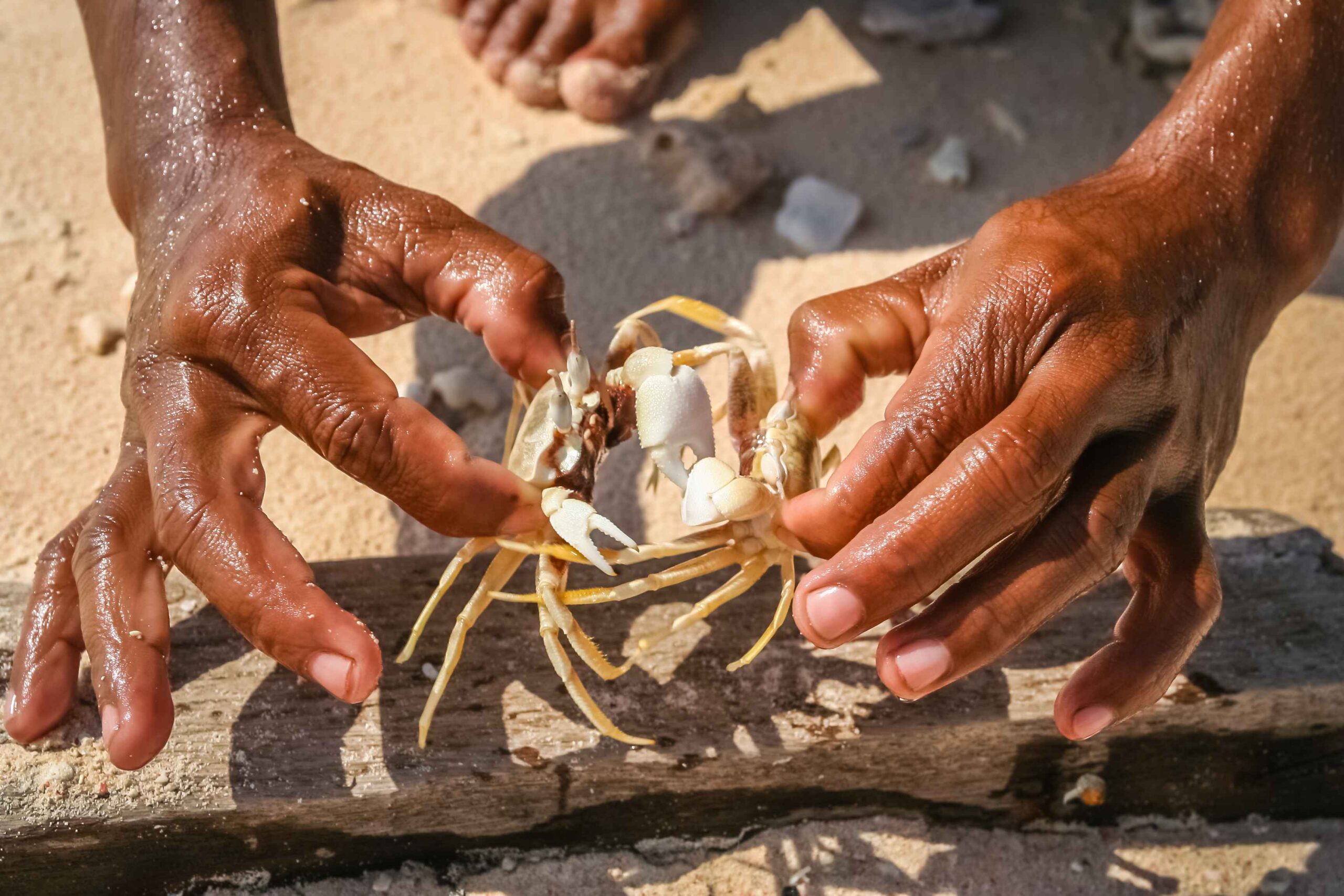
The demand for mud crabs is significant, not just in Bangladesh but also in other Asian countries including Taiwan, Singapore, and Malaysia. Farmers learned that these mud crabs could grow to impressive sizes, weighing up to four kilograms. With market prices reaching around HK$40 each, the potential for profit quickly became apparent. Many farmers realised they could earn more money by cultivating crabs than by attempting to grow rice in the challenging conditions.
As farmers transitioned from rice to crab farming, their fortunes began to change. What initially seemed like an insurmountable disaster transformed into an opportunity for economic recovery and growth. By providing a sustainable alternative to rice, BRAC empowered farmers to reclaim their livelihoods and restore their hopes and dreams.

Today, the success of crab farming in Bangladesh stands as a testament to resilience and innovation in the face of adversity. The cyclone which once threatened to bring only tragedy, instead became a catalyst for change. BRAC’s intervention not only helped farmers adapt to their new reality but also fostered a sense of community and purpose among those affected. This story serves as a powerful reminder that even in the aftermath of disaster, new opportunities can emerge, allowing people to rebuild their lives and futures.
Crab farming in Bangladesh:
QUESTION:
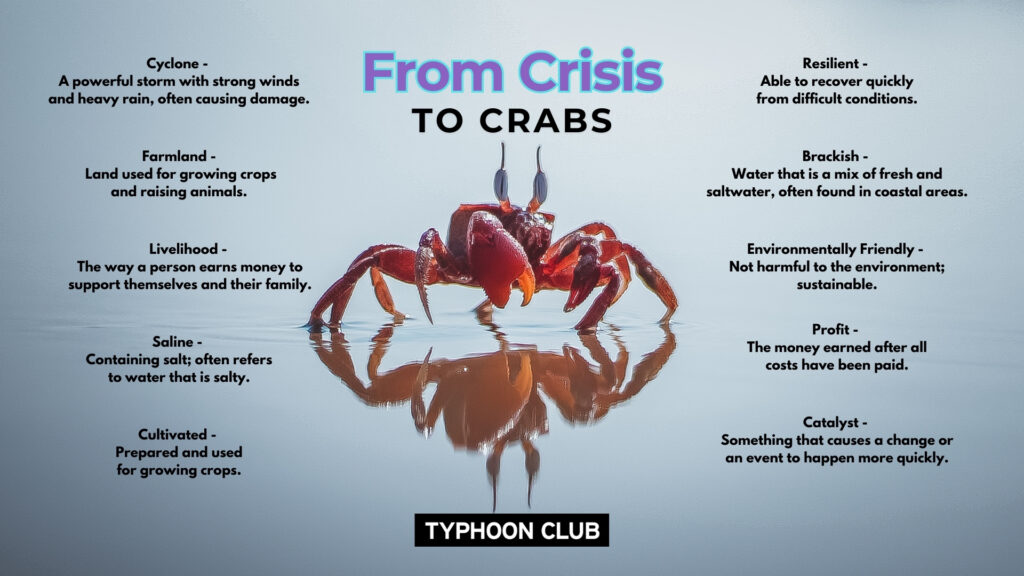
VOCABULARY: