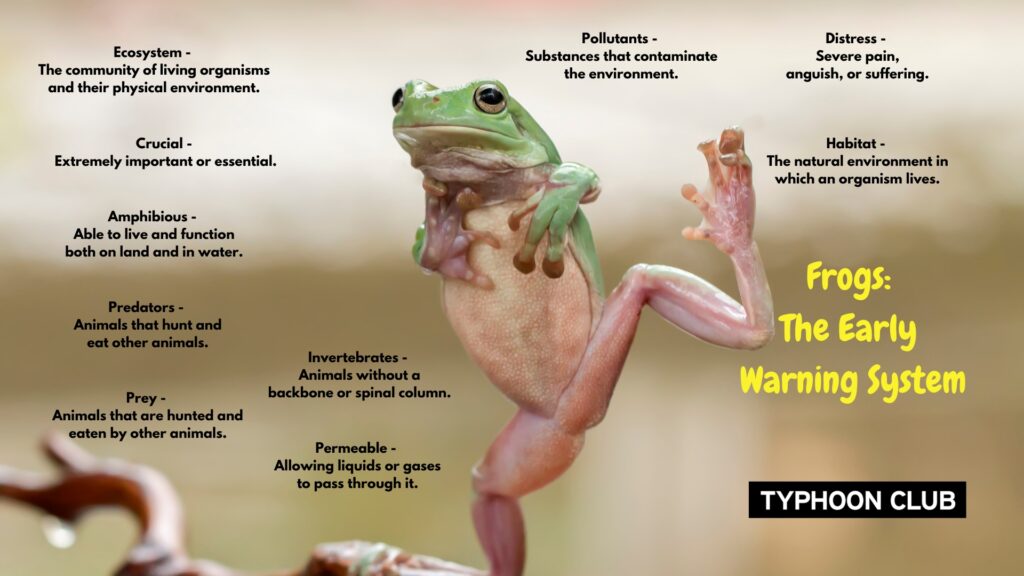
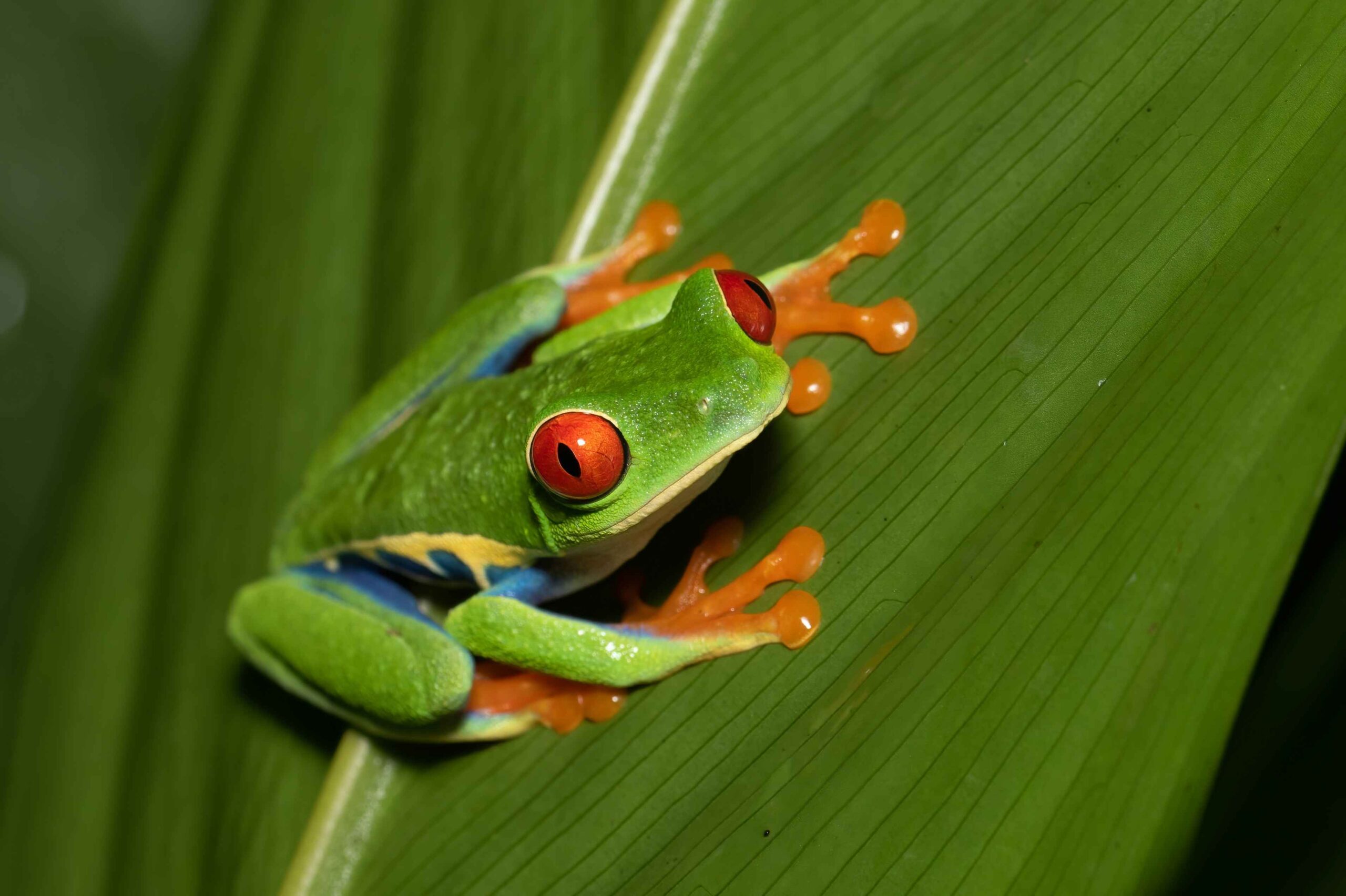
Frogs are a vital part of the ecosystem and play a crucial role in maintaining the delicate balance of our natural world. These amphibious creatures are often referred to as the “canaries in the coal mine” when it comes to environmental health, and for good reason.
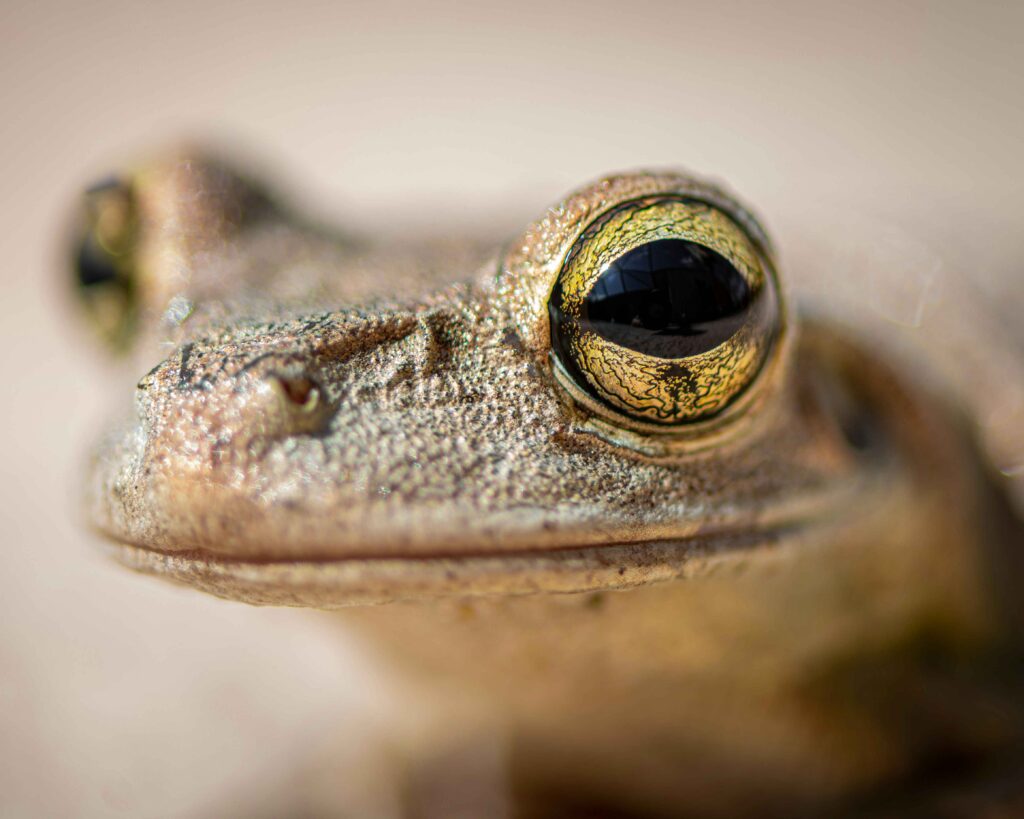
Firstly, frogs are an integral part of the food chain. They serve as both predators and prey, feeding on insects, small rodents, and other invertebrates, while also providing a food source for larger animals, such as birds, snakes, and larger amphibians. This means that a decline in frog populations can have a ripple effect, disrupting the entire ecosystem.
Moreover, frogs are highly sensitive to changes in their environment, making them excellent indicators of environmental health. Their permeable skin and complex life cycle, which involves both aquatic and terrestrial habitats, make them particularly vulnerable to pollutants, habitat destruction, and climate change. As a result, when frogs begin to disappear or display unusual behaviour, it can be an early warning sign of broader environmental issues.
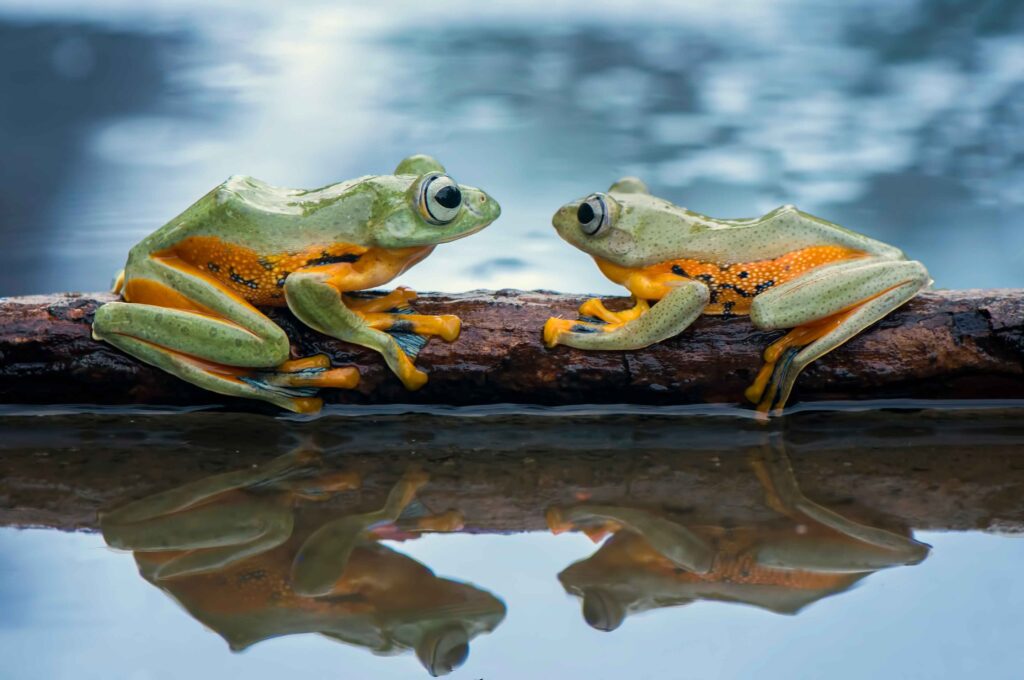
For example, many frog species are highly dependent on specific water quality and temperature ranges for their survival. When these conditions are disrupted, such as through the introduction of toxic chemicals or the effects of global warming, frogs are often the first to show signs of distress.
By monitoring frog populations and their overall health, scientists can gain valuable insights into the state of the environment. Declines in frog populations can serve as an alarm, alerting us to potential problems that may not be immediately visible to the naked eye. This early warning system allows us to take proactive measures to address environmental issues before they become worse and have a more significant impact on the entire ecosystem.
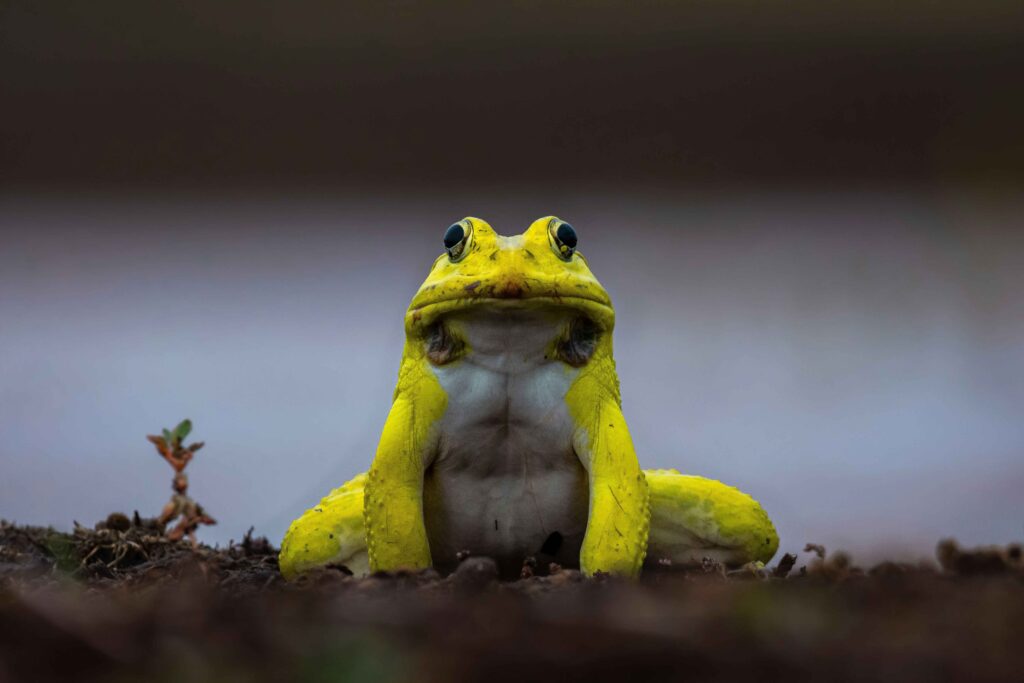
Furthermore, frogs help to control the numbers of mosquitoes, ticks, and other insects that can carry diseases or pose a threat to human health. By maintaining a healthy frog population, we can help to reduce the spread of illnesses and promote a more balanced, sustainable environment.
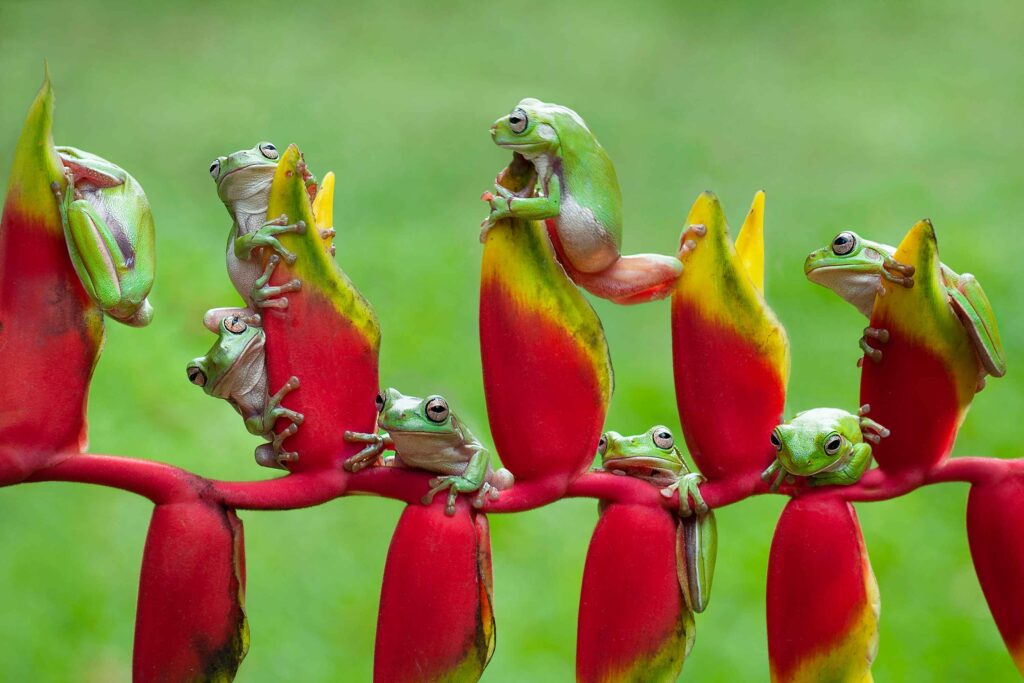
Frogs are not only fascinating creatures in their own right but also serve as vital indicators of environmental health and play a crucial role in the broader ecosystem. By understanding and protecting these amphibious creatures, we can gain invaluable insights into the state of our planet and take the necessary steps to preserve the delicate balance of our natural world.
Frogs and Their Role in Healthy Habitats:
QUESTION:
VOCABULARY: