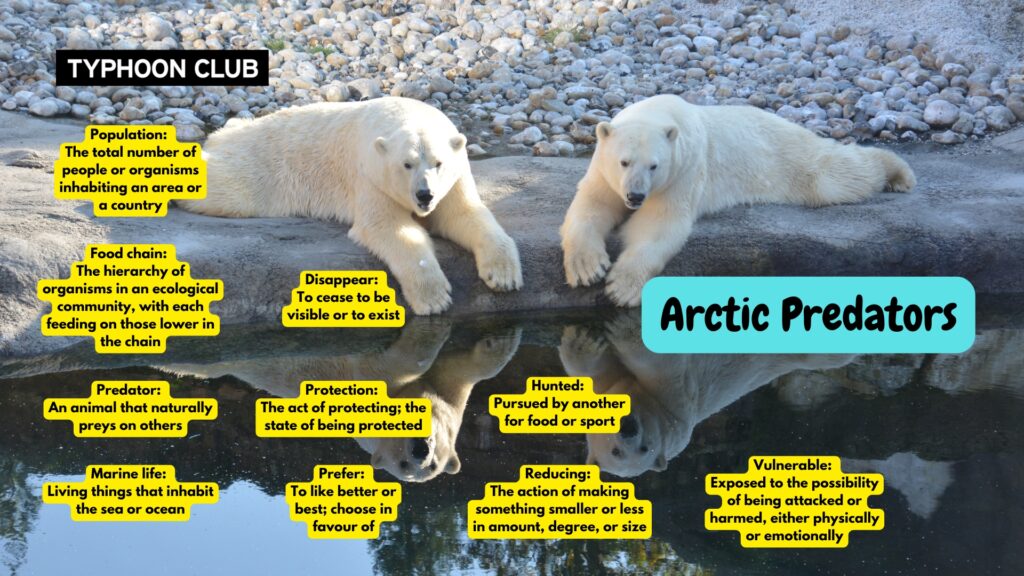
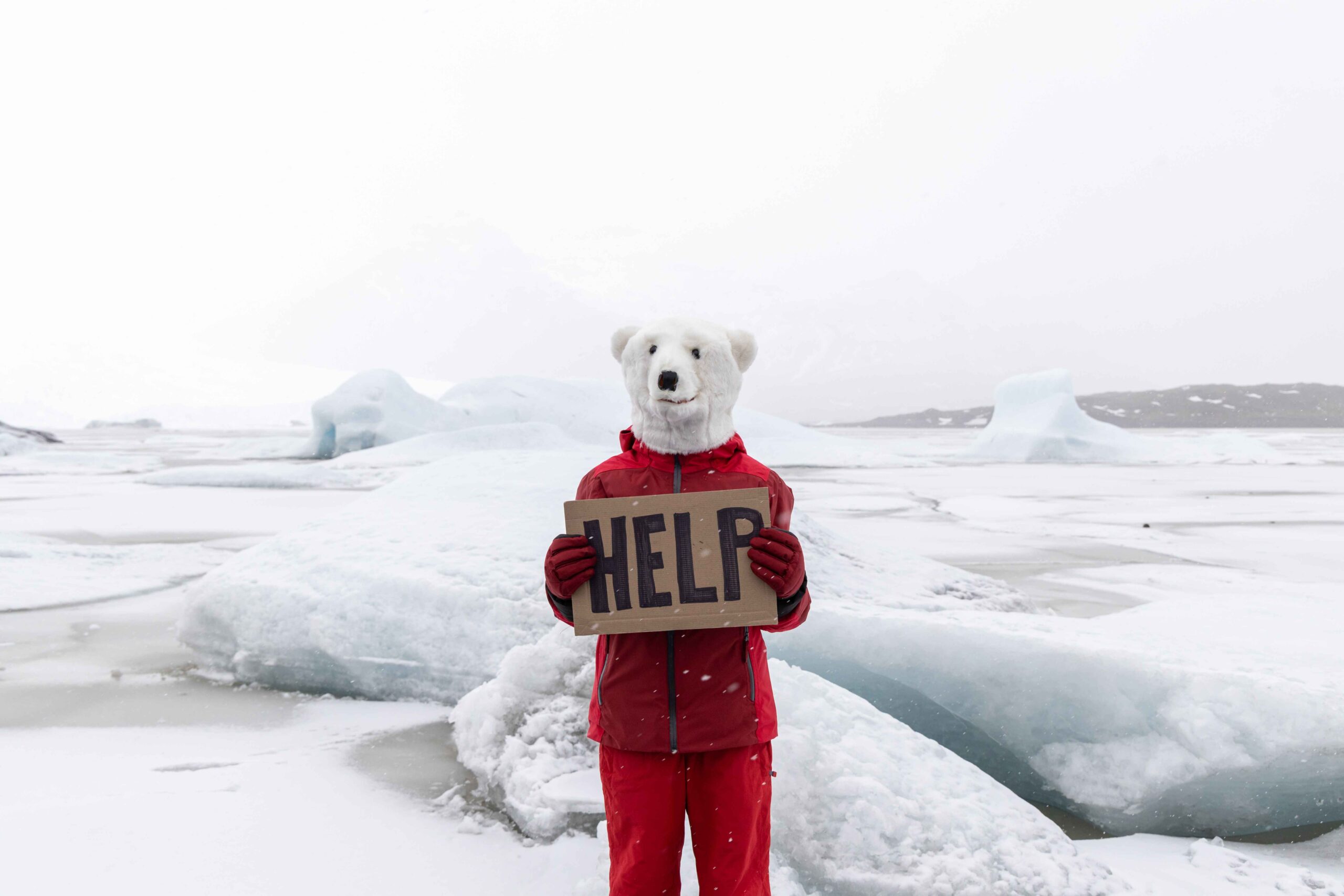
For as long as man can remember, the polar bear has always been the Arctic’s top predator. It travels long distances across the ice, searching for food. Polar bears prefer to eat seals but will eat just about anything that comes in their way – including humans and sometimes other polar bears. When they cannot find food on the ice, they swim up to 50 kilometres in one day in the freezing ocean waters looking for marine life.
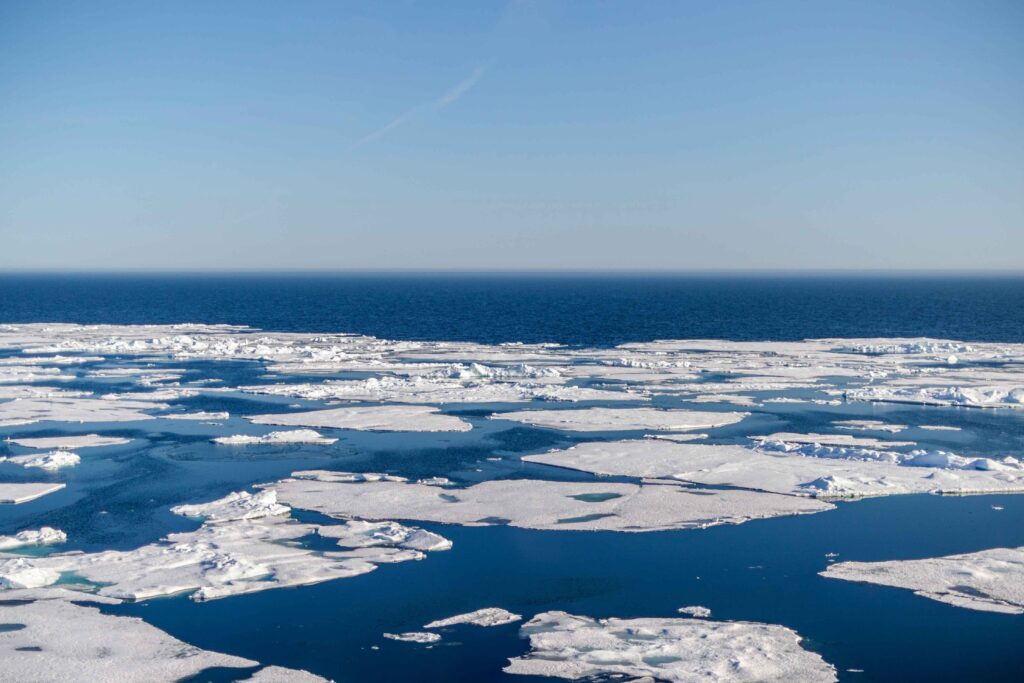
In recent years, the amount of ice covering the Arctic has been reducing. Many scientists say this is because of global warming. At the end of 2016 it was reported that there was 1.2 million square kilometres less ice than in previous years. If the ice continues to disappear (and some scientists predict there will be no ice left by 2050), polar bears will become more vulnerable to attack from other species and will lose their position at the head of the Arctic food chain.
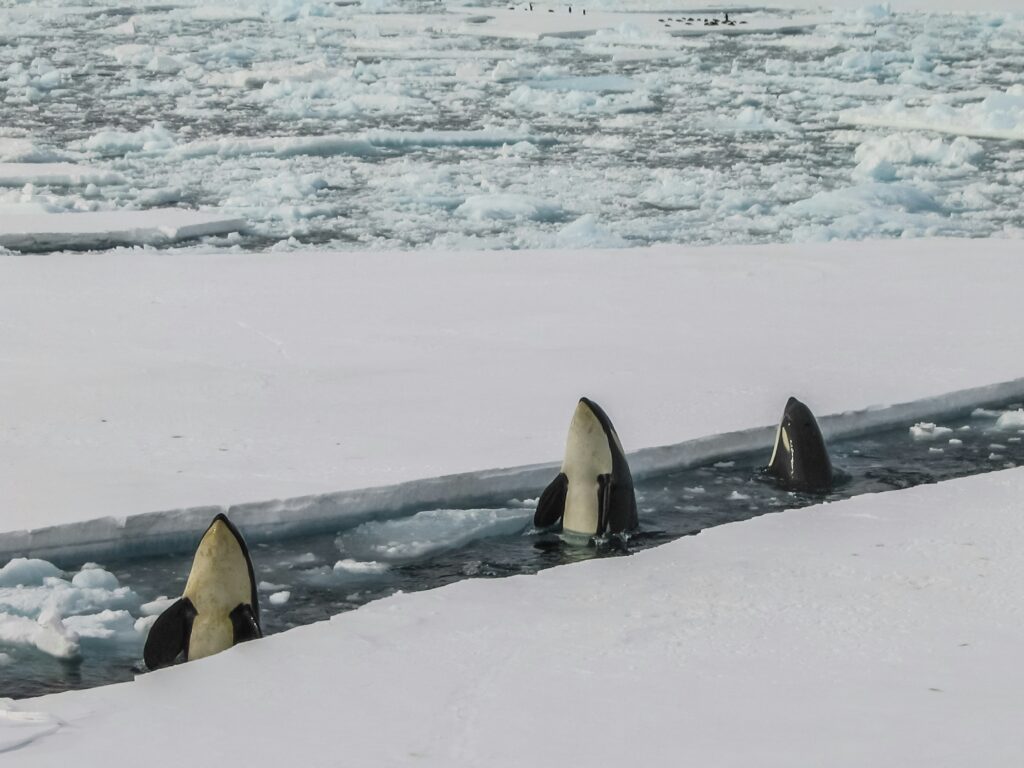
As the ice melts into water, killer whales have been swimming further north in search of food. Killer whales usually keep clear of the ice as it can damage their fins. With no ice, this danger no longer exists. The whales detect the polar bears swimming in the sea hunting for food, and the bears become the hunted.
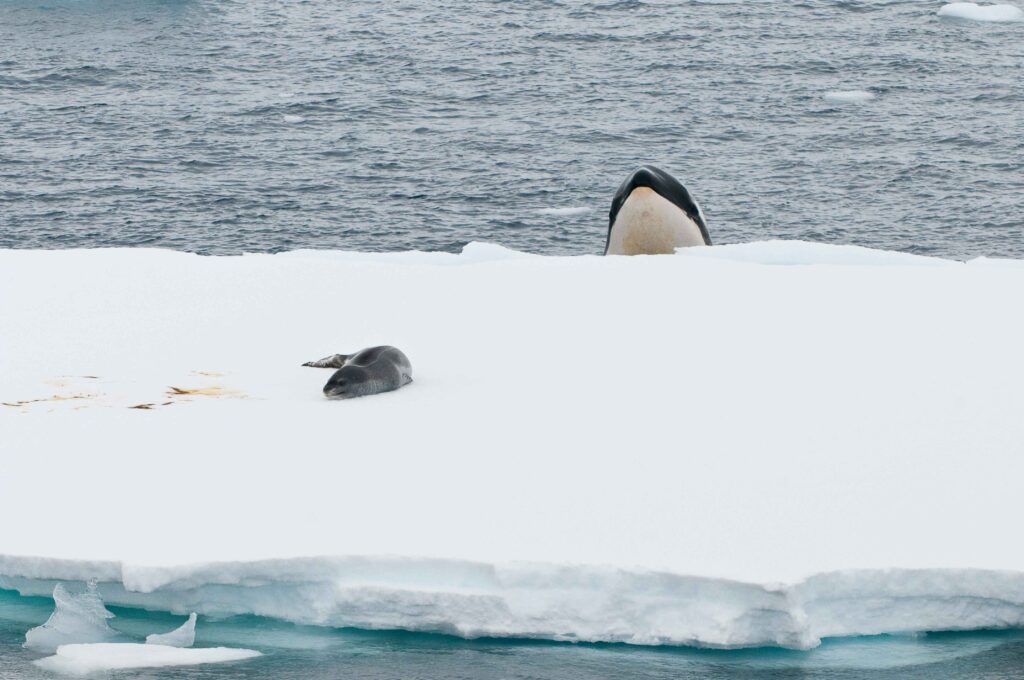
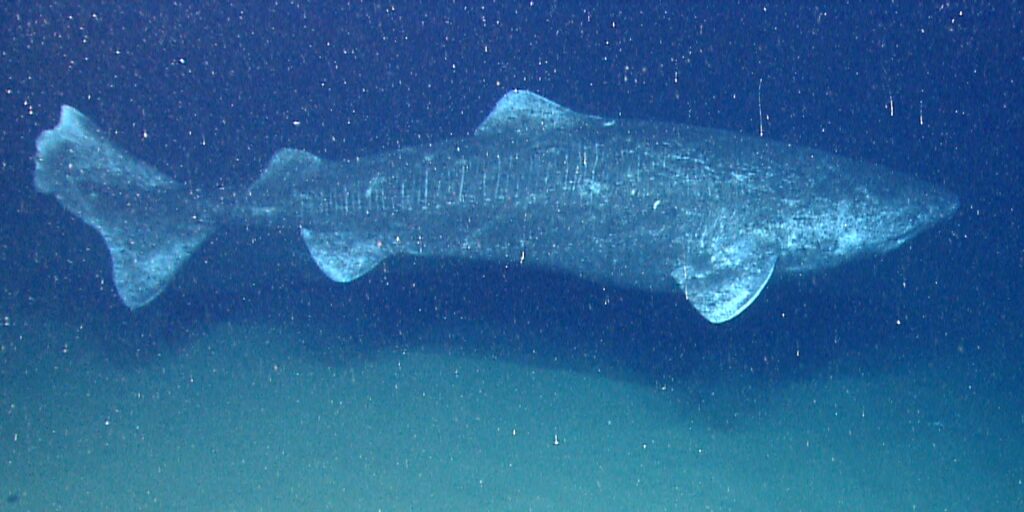
It’s not only killer whales that have been attacking polar bears. Most of us think that sharks exist mainly in warm water. Some prefer the cold. Greenland sharks six metres in length hunt in the Arctic waters and have been known to hunt polar bears. Professor Kit Kovacs of the Norwegian Polar Institute recently reported finding the jaw of a bear inside a shark’s stomach.
The ice has always provided some protection for other species, including seals and fish called polar cod. Polar cod make up about 80 per cent of a seal’s diet. If the polar cod disappear, so will the seals – and then there will be little food left for the polar bears.
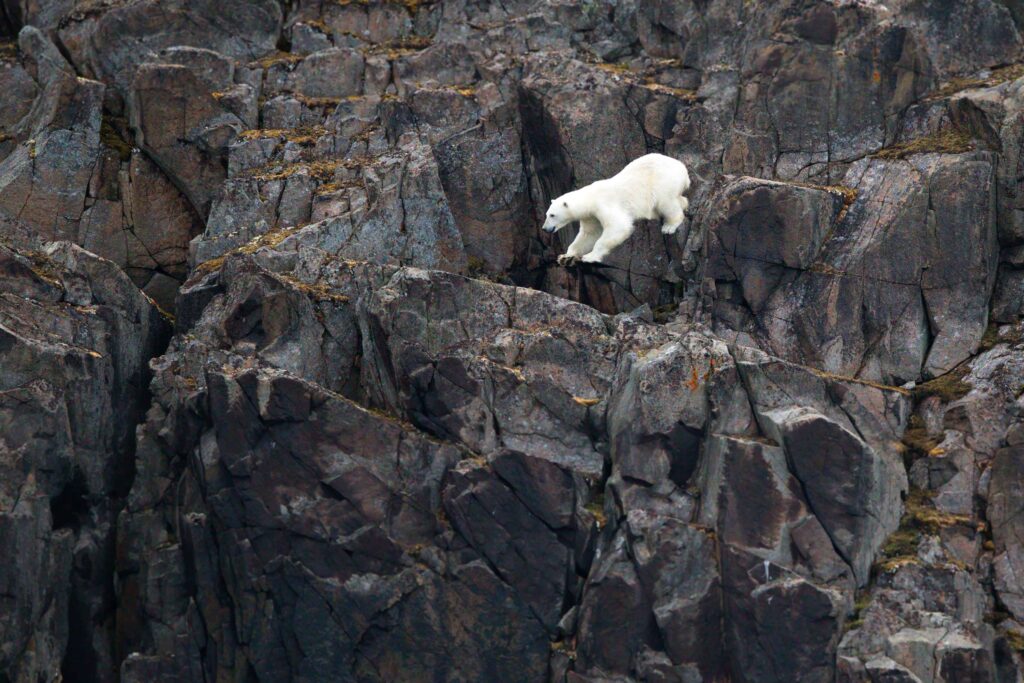
The population of polar bears is expected to reduce by 30 per cent by 2050. Could it reduce even further if the killer whale increases its search for food within the Arctic region? Will the polar bear be yet another victim of global warming?
Polar bears and how to save them:
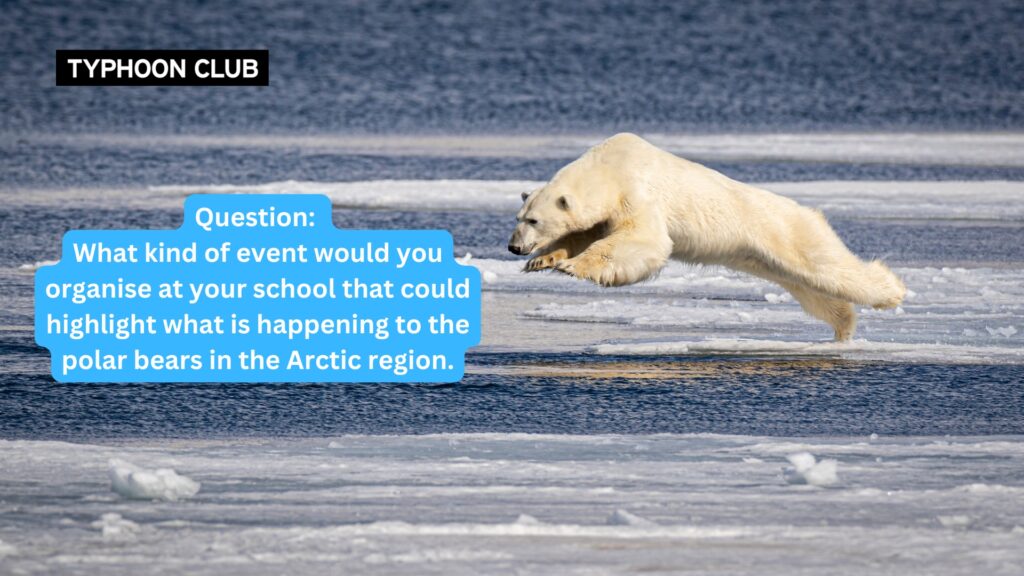
QUESTION:
VOCABULARY: