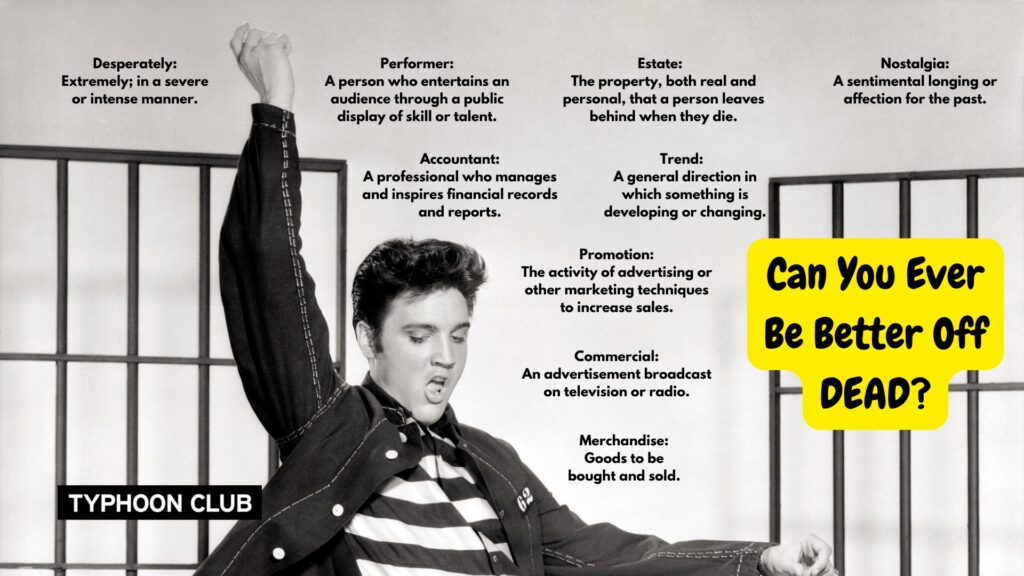
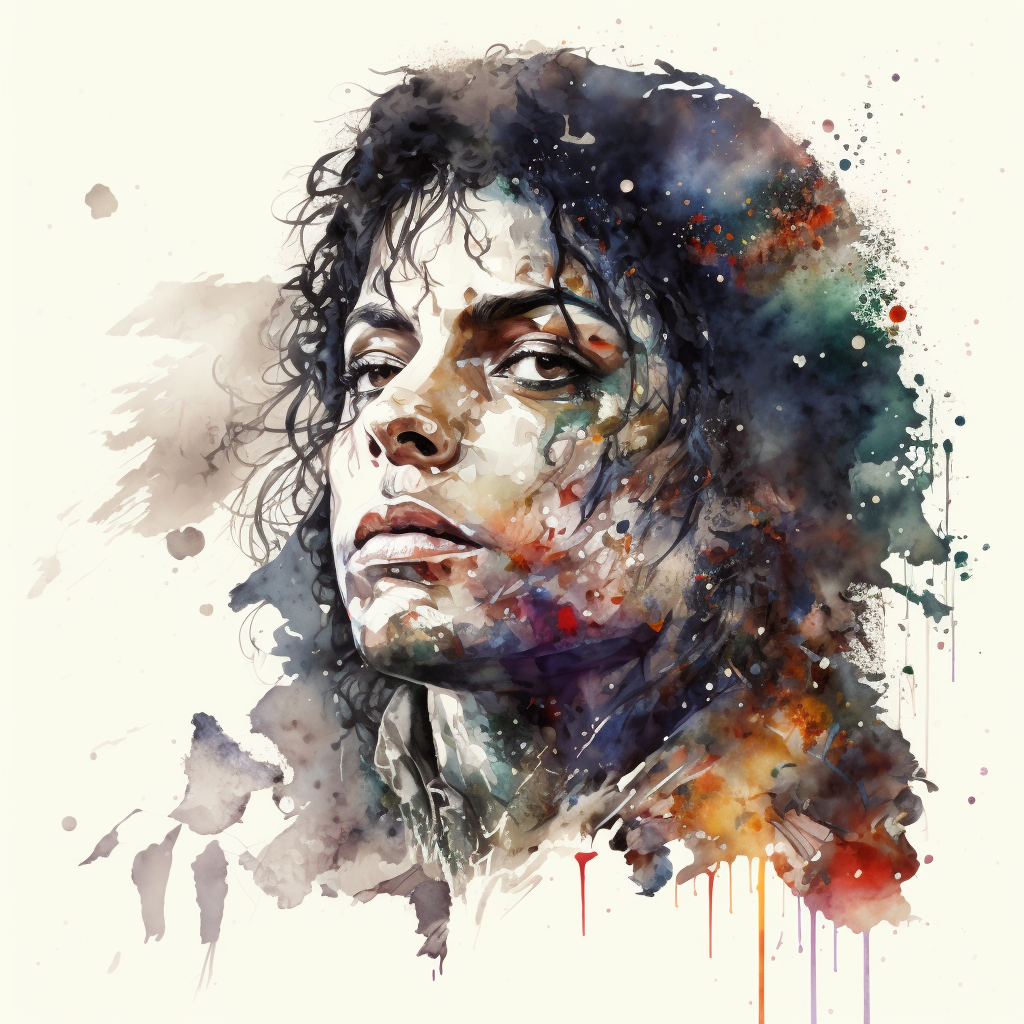
Shortly before Michael Jackson died in 2009, he told a newspaper reporter that he was “desperately broke.” He was about to perform 50 concerts in London hoping the concerts would make him rich once again. Sadly, he died before any of the concerts took place. He was just 50 years old.
It is hard to imagine that one of the most successful performers of the 20th century died with little or no money. But in 2014, just five years after his death, it was reported that Michael Jackson made over HK$1 billion in that year. How could this happen?
When someone dies, his or her money and property are put into something called an estate. Lawyers and accountants usually manage a dead person’s estate. The money or property from the estate is given to the people or organisations that the dead person wanted it to go to. In the case of Michael Jackson, he wanted his estate to go to his mother and three children.
A Time For Nostalgia
In recent years there has been a trend for nostalgia. Nostalgia is where someone enjoys a person, a product or a period of time from the past. For example, you may enjoy movies from Hong Kong in the 1950s, or fashion from the 1970s. Because of this trend, there are now companies in America that make money for the estates of people who have died: and some of these people have been dead for many years.
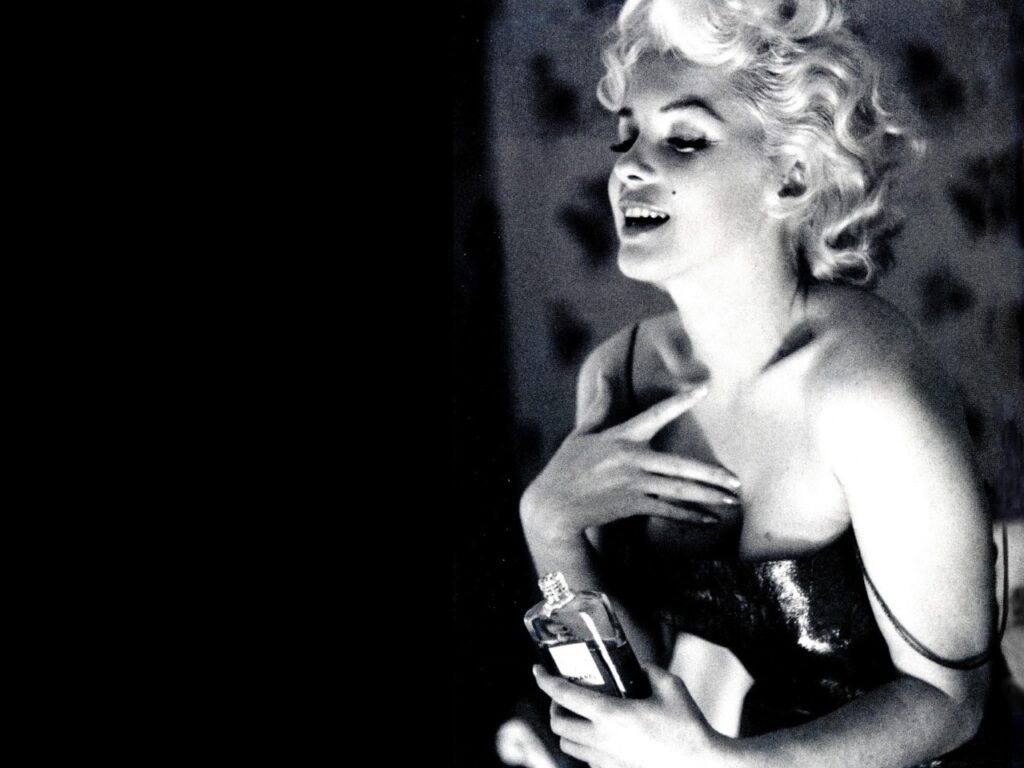
The perfume Chanel Number 5 used the image of Marilyn Monroe, an actress and model who died in 1962, in advertisements to promote its brand. The movie action hero Steve McQueen, who died in 1980, has also been used in a Porsche television commercial.
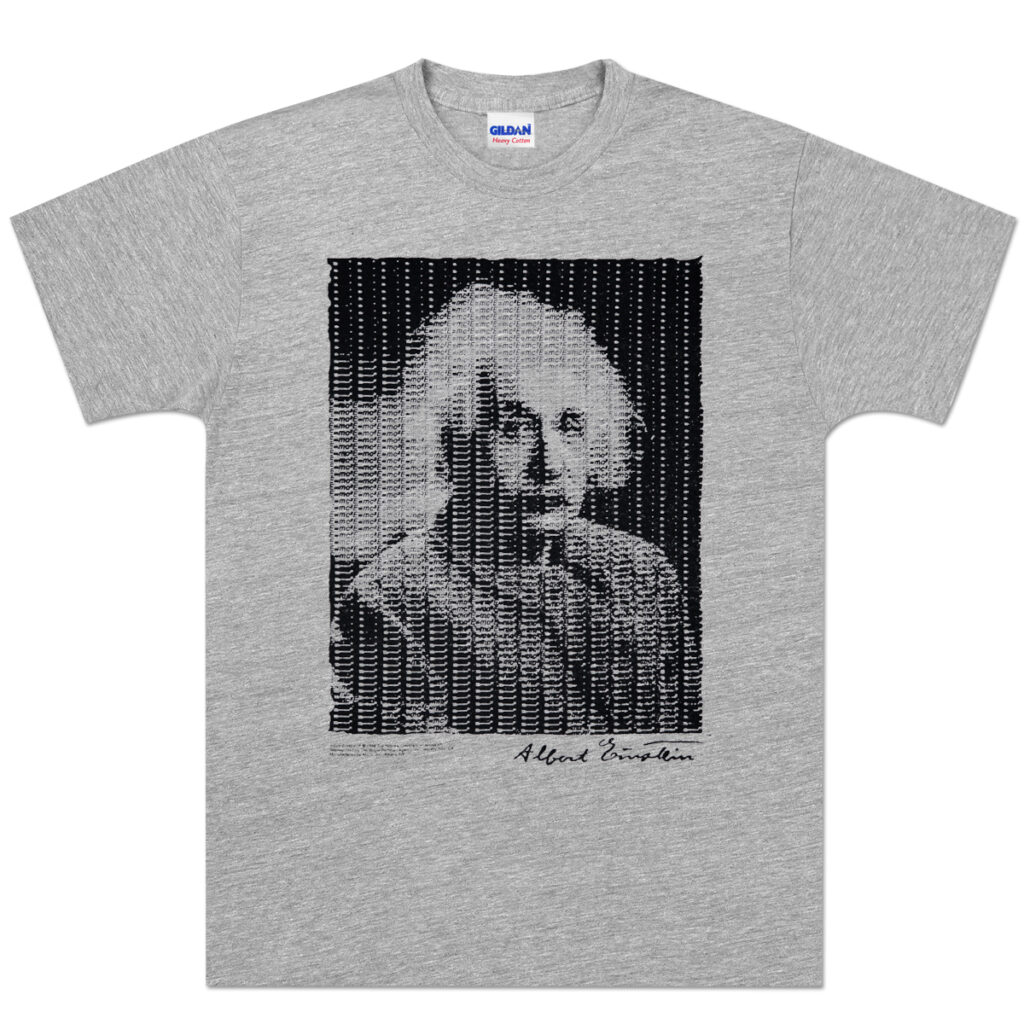
It is not just performers who can make money following their death. Scientist Albert Einstein died in 1955 yet his image is still used on T-shirts and other products. His estate made HK$88 million in 2014.
Of course, you have to be famous before you can make money after your death. If you are famous, the public’s desire for nostalgia could mean you may live forever in their hearts: as well as making more money for future generations of your family.
Here are some notable examples:
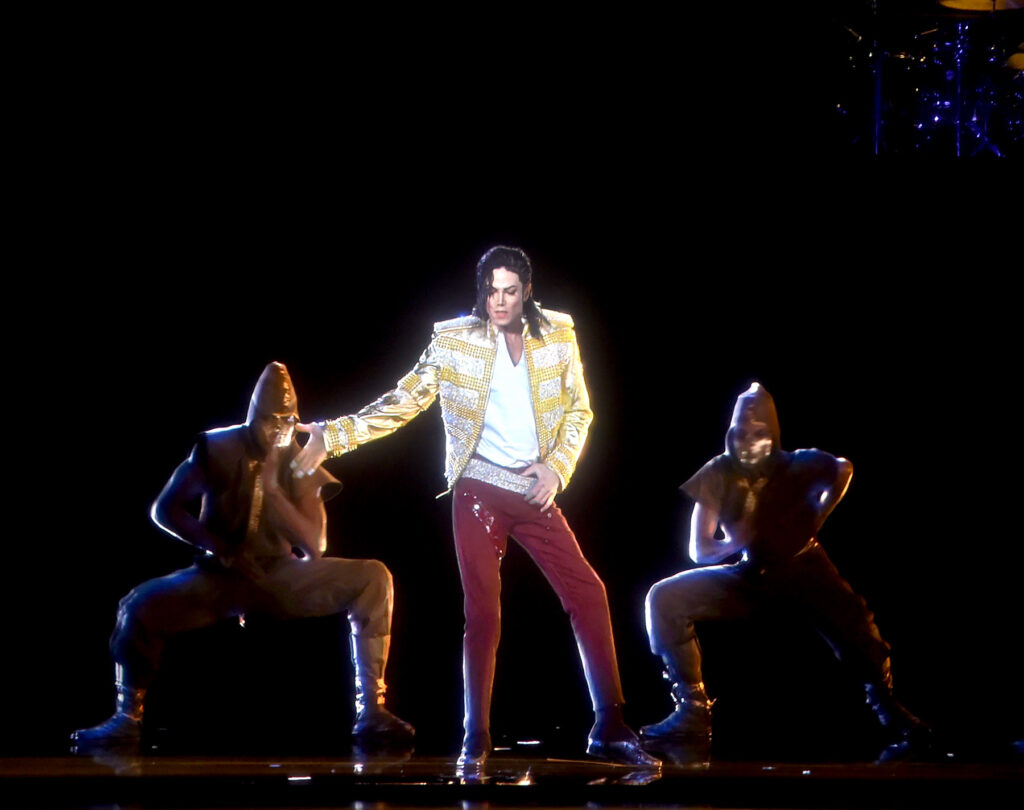
**Michael Jackson**: The King of Pop remains one of the highest-earning deceased celebrities. His estate benefits from music royalties, the “Michael Jackson: ONE” show by Cirque du Soleil, and a share of the Sony/ATV music catalogue.
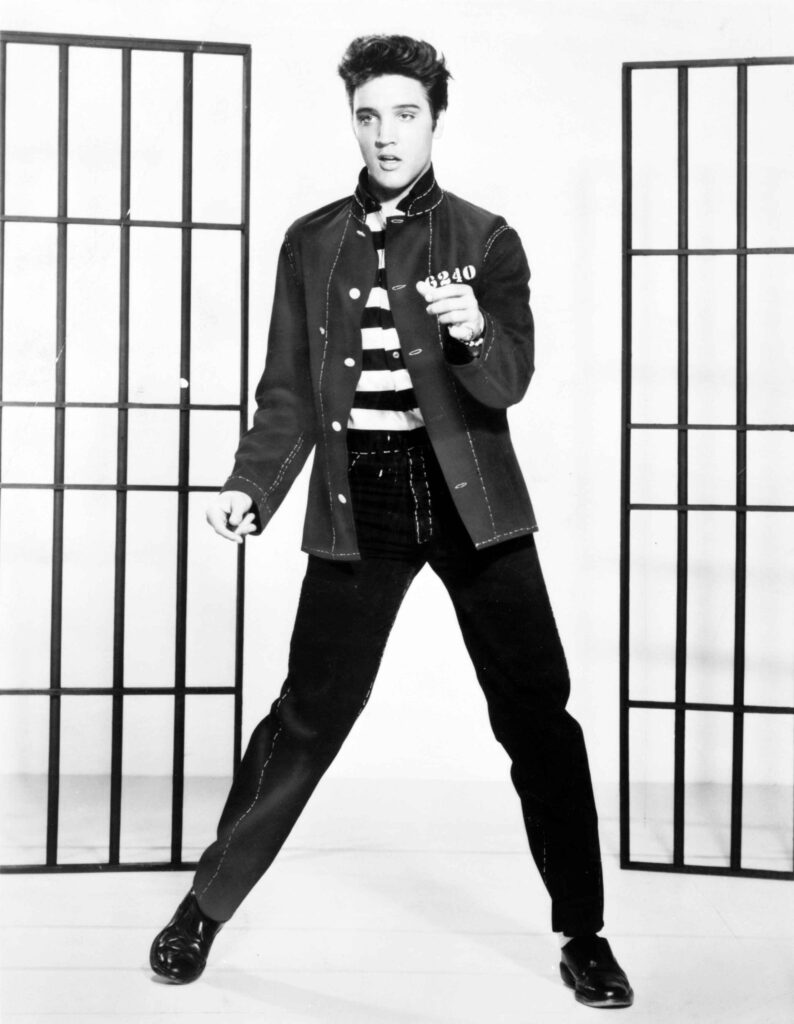
**Elvis Presley**: The estate of Elvis Presley earns significant revenue from Graceland admissions, music sales, and licensing deals. His image and music continue to be iconic worldwide.
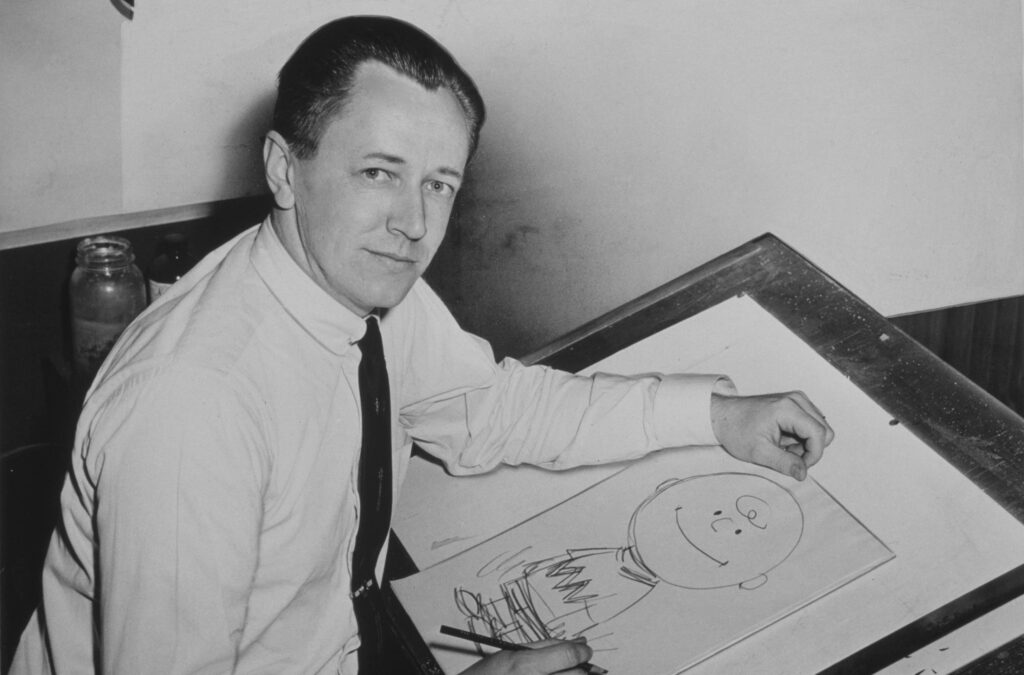
**Charles Schulz**: The creator of the “Peanuts” comic strip, featuring characters like Charlie Brown and Snoopy, generates income through merchandise, licensing deals, and media rights.
**Dr. Seuss (Theodor Seuss Geisel)**: The beloved children’s author continues to earn through book sales, merchandise, and adaptations of his work into movies and TV shows.
**Roald Dahl**: Known for classics like “Charlie and the Chocolate Factory” and “Matilda,” Dahl’s estate benefits from book sales, film adaptations, and merchandise.


**Prince**: The music legend’s estate has seen a resurgence in earnings through music sales, streaming, and previously unreleased material.
**John Lennon**: The former Beatle’s estate earns from music royalties, licensing deals, and the continuing legacy of The Beatles.
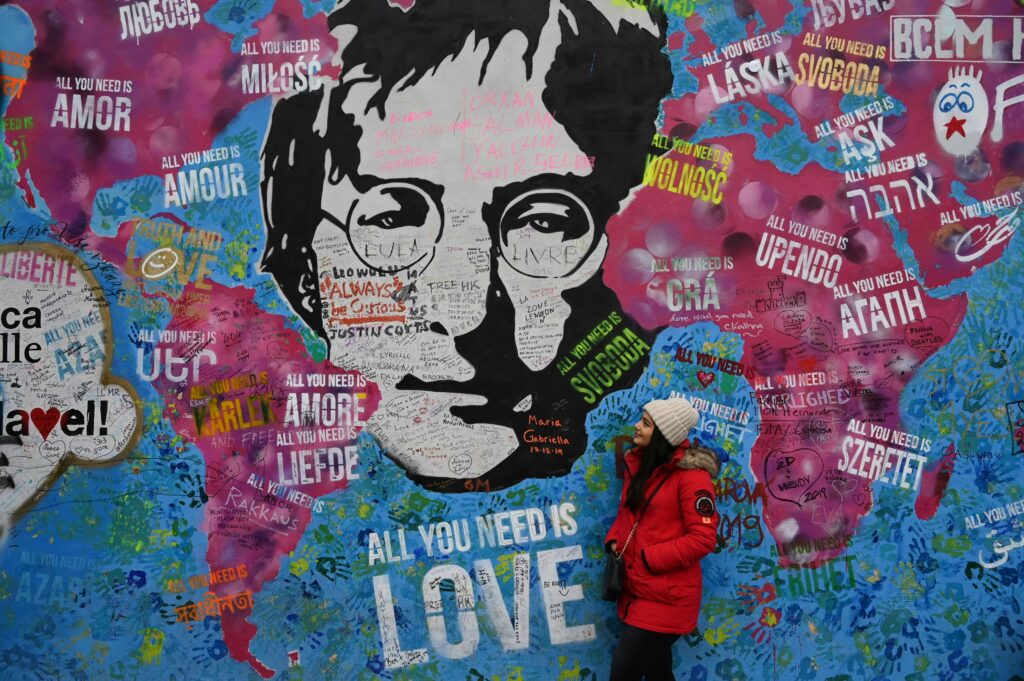
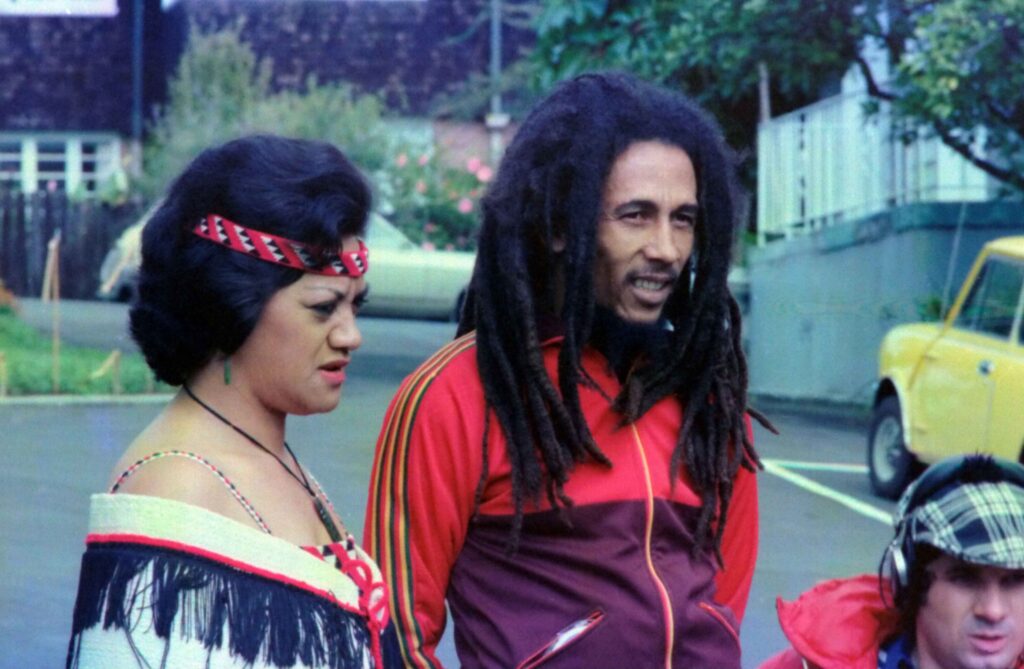
**Bob Marley**: The reggae icon’s estate generates income through music royalties, merchandise, and the Marley family brand, including a line of cannabis products.
Here’s a little more on who made more following their deaths:
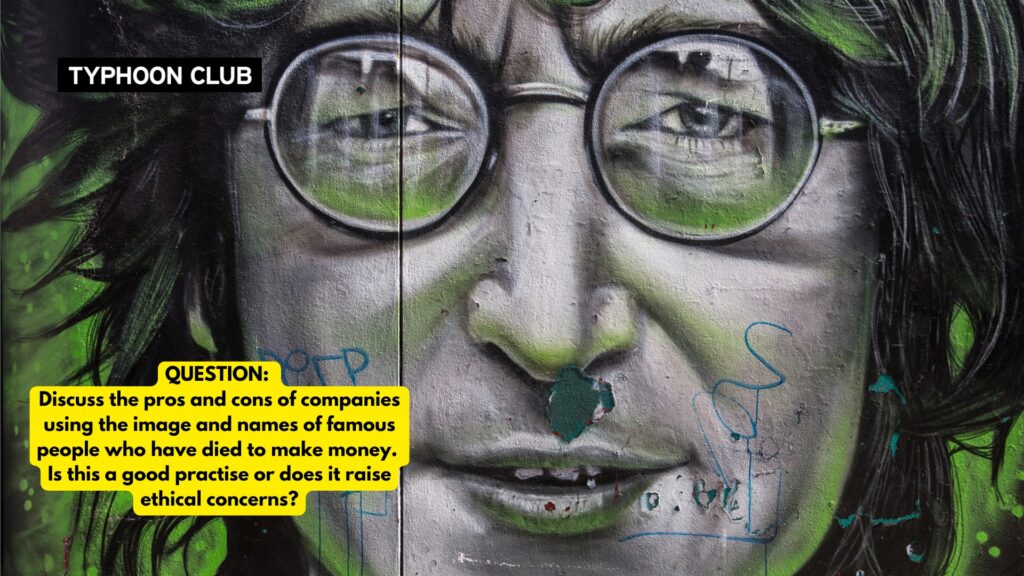
QUESTION:
VOCABULARY: