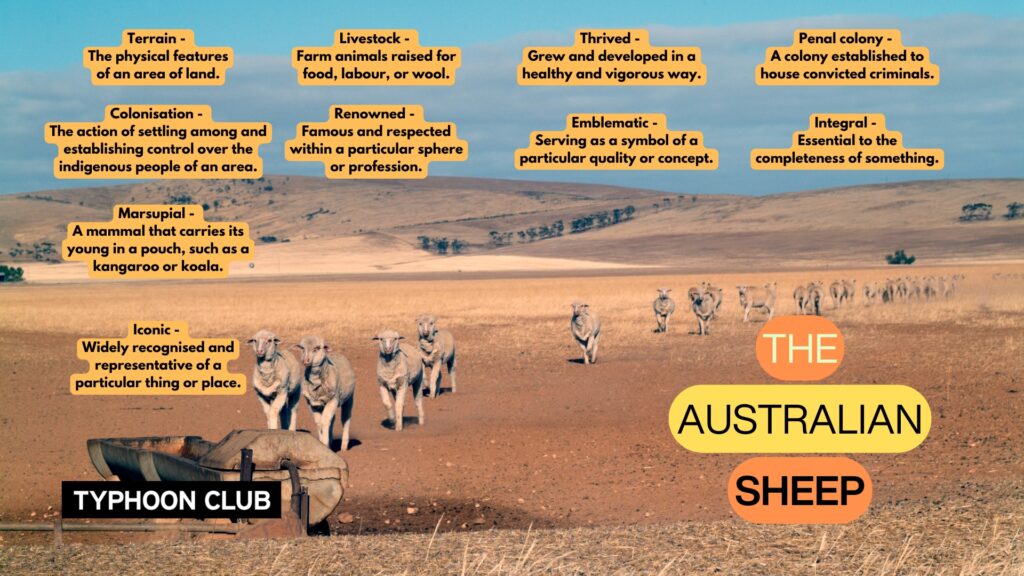
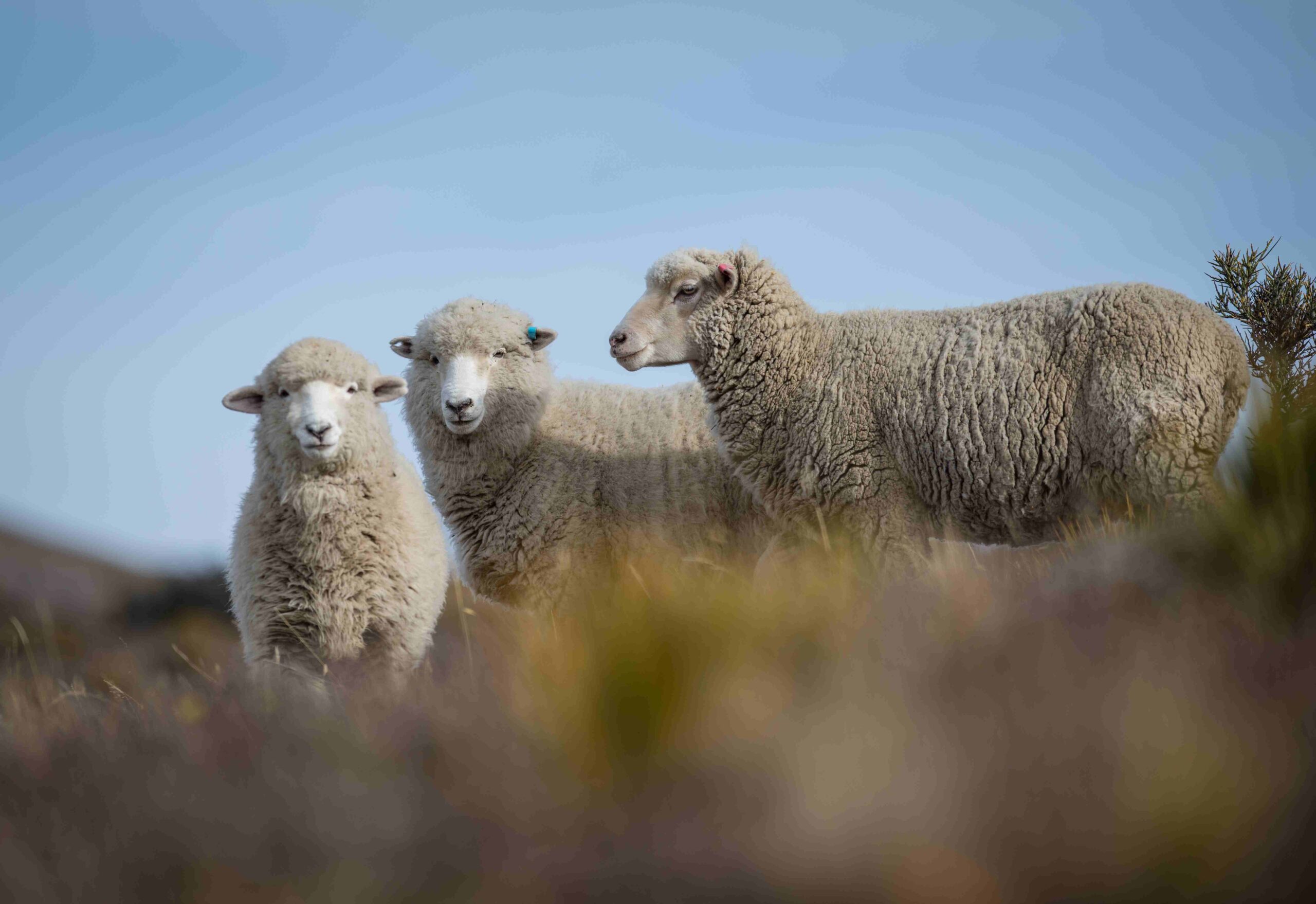
When you think of Australia, iconic animals like kangaroos, koalas and wallabies probably come to mind. But one of the country’s most important livestock animals, the sheep, is actually not native to the continent at all.
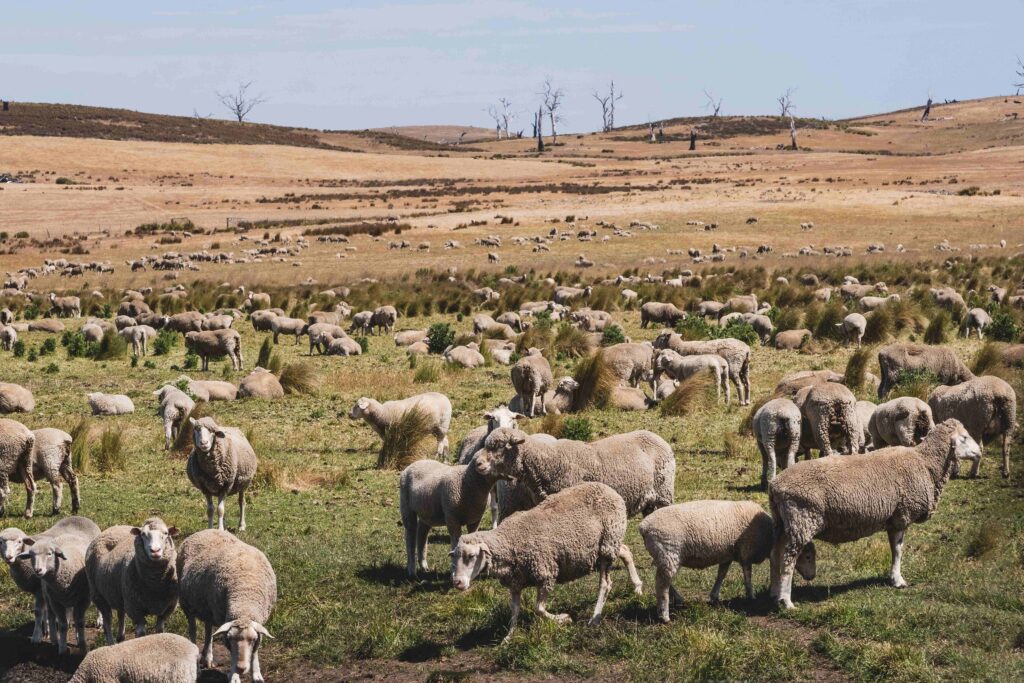
Sheep were first brought to Australia by European settlers in the late 18th century, as part of the colonisation of the new land. Prior to this, Australia had no large domestic grazing animals – the native wildlife consisted mainly of marsupials like kangaroos, not livestock animals like sheep or cattle.
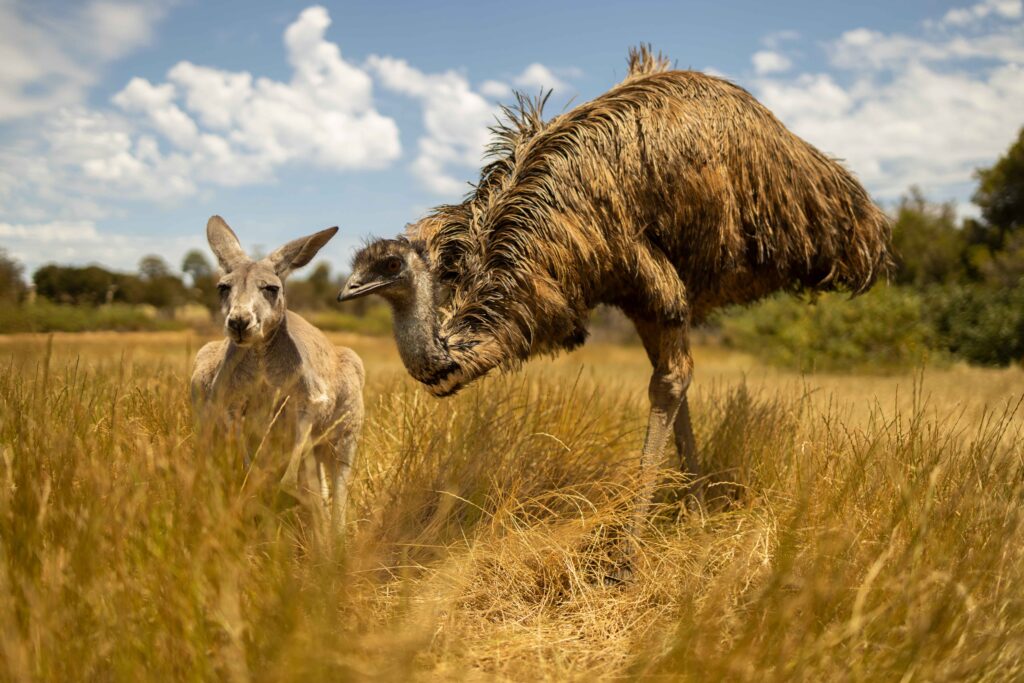
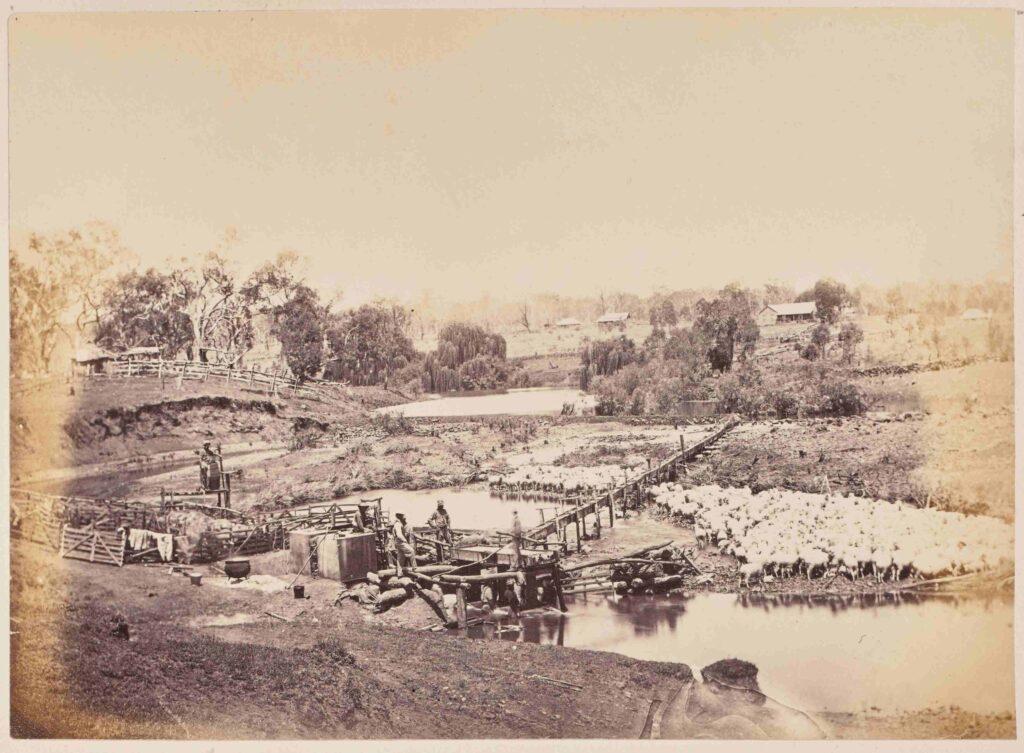
The introduction of sheep to Australia began with the arrival of the First Fleet in 1788. This fleet of 11 ships carried convicts and supplies to establish the first British penal colony in Sydney. Included in the cargo were a small number of sheep, mostly imported from England.
Over the following decades, more sheep were steadily brought to Australia from Britain and other parts of Europe. The sheep breeds that became dominant, such as the renowned Merino, were carefully selected and bred by the early colonial settlers.
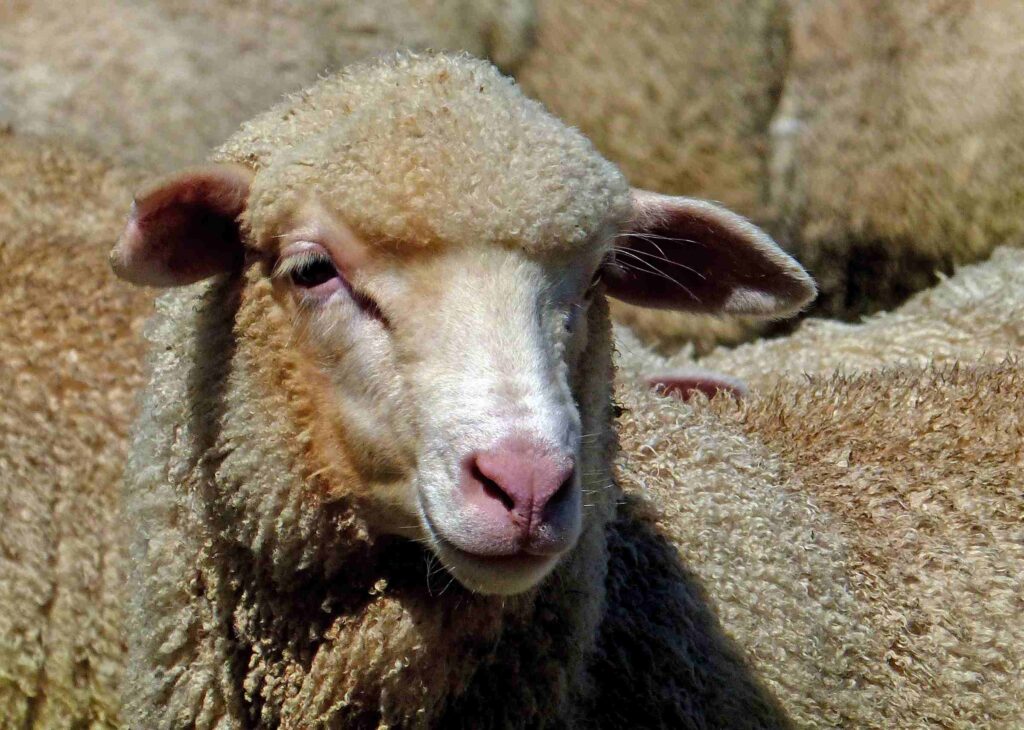
As the new Australian colonies grew, so did the sheep farming industry. Sheep proved to be well-suited to the Australian climate and terrain, and they thrived in the wide open spaces of the new land. The wool produced by Australian sheep also became highly prized around the world.
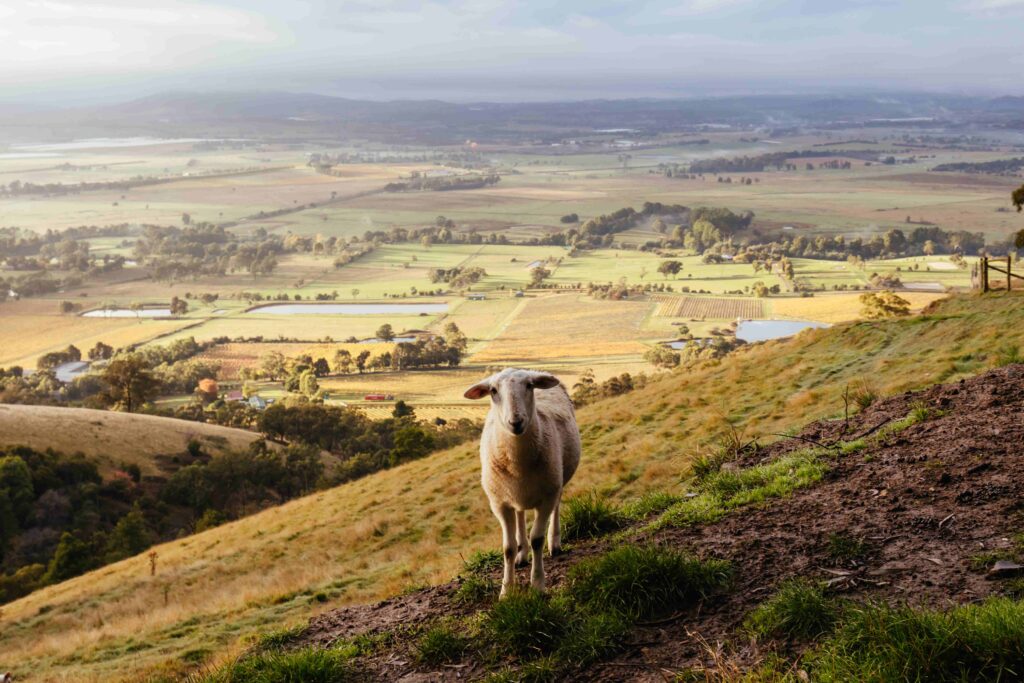
By the mid-19th century, sheep had become an integral part of Australia’s agricultural economy and way of life. Huge sheep stations and vast flocks dotted the Australian countryside, forever changing the landscape and ecology of the continent.
Of course, the introduction of an entirely new species like sheep also had a significant impact on Australia’s native flora and fauna. The grazing of sheep often damaged delicate ecosystems and competed with indigenous herbivores for food and habitat.
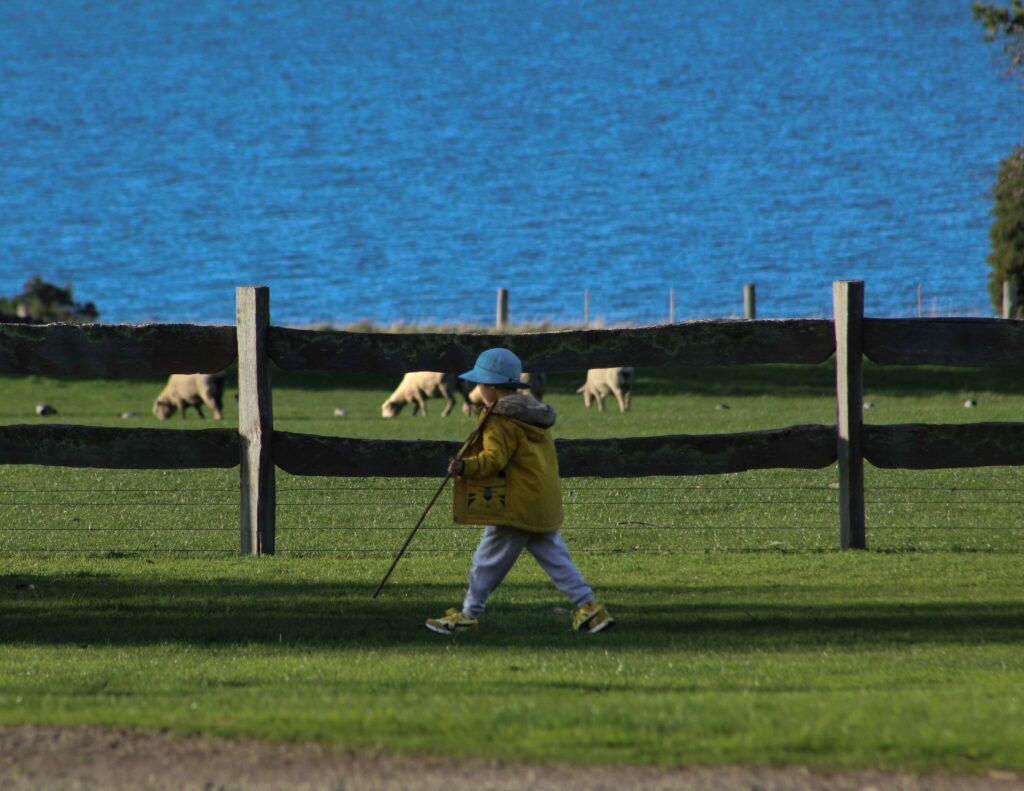
Today, sheep remain one of Australia’s most important agricultural exports. The country is one of the world’s largest producers of wool, and mutton and lamb are staple foods for many Australians. But it’s important to remember that these animals, so emblematic of the Australian bush, are in fact relative newcomers to the continent.
Meet an Australian sheep farmer:
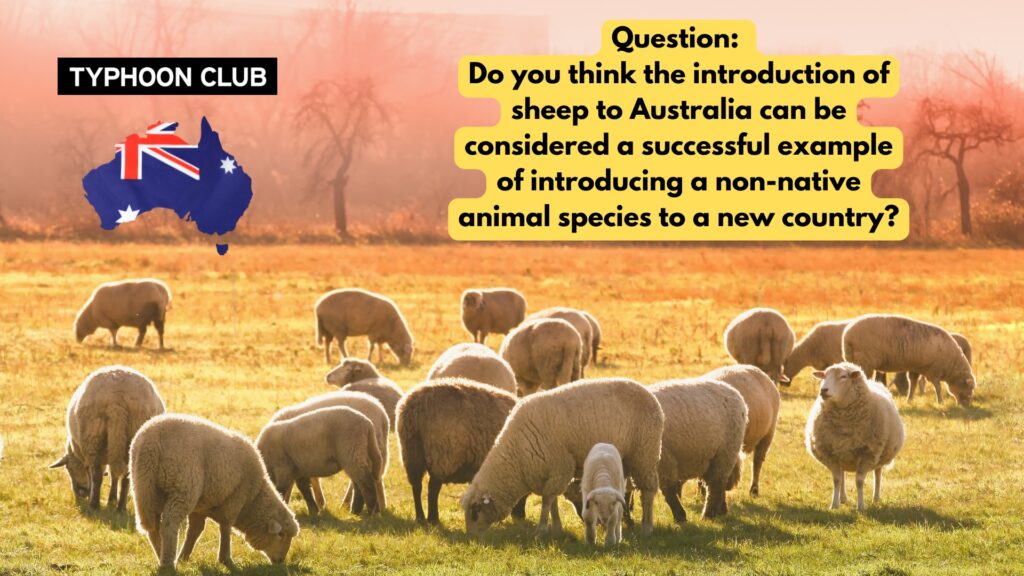
QUESTION:
VOCABULARY: