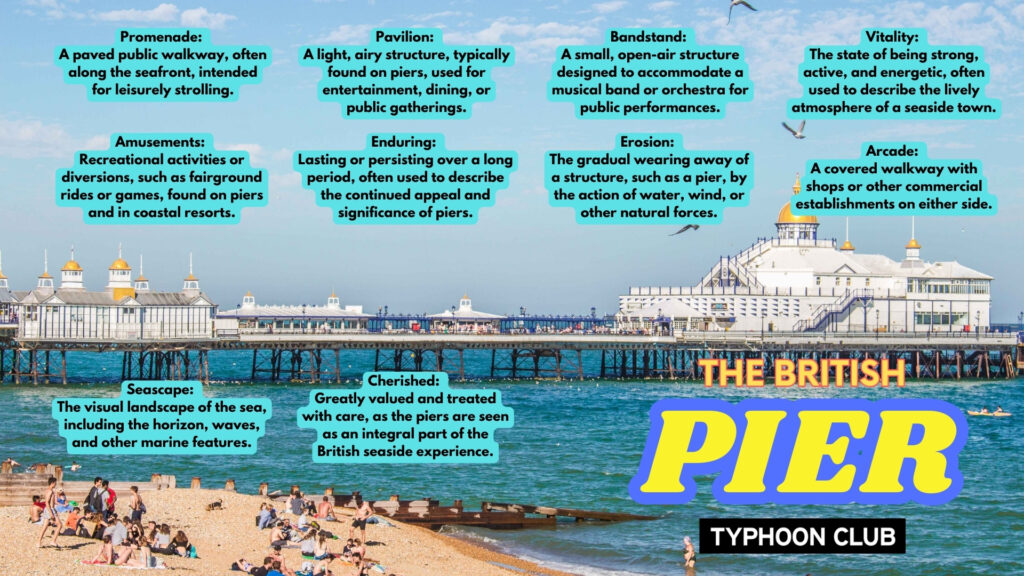
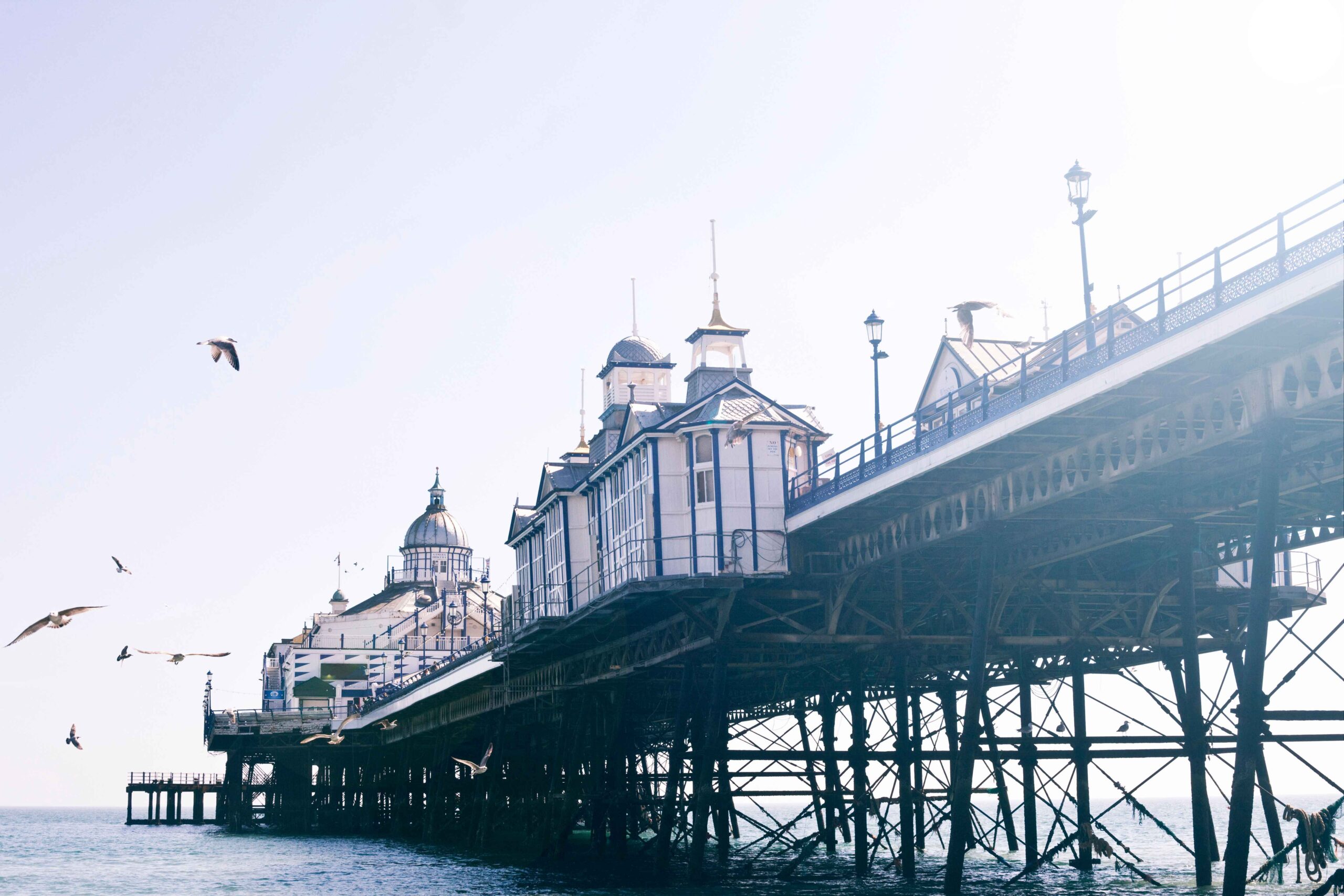
Dotting the coastlines of the United Kingdom are the structures known as piers. These architectural marvels have long been a feature of the British seaside experience, serving as gateways to the natural beauty and recreational opportunities that the surrounding waters have to offer.
The history of piers in the UK can be traced back to the early 19th century, a time when coastal towns were rapidly evolving into popular tourist destinations. As the demand for seaside leisure activities increased, the need for accessible and engaging entertainment facilities also grew. Enter the pier, a structure that would not only provide a platform for amusement but also serve as a symbol of the coastal town’s vitality and modernity.
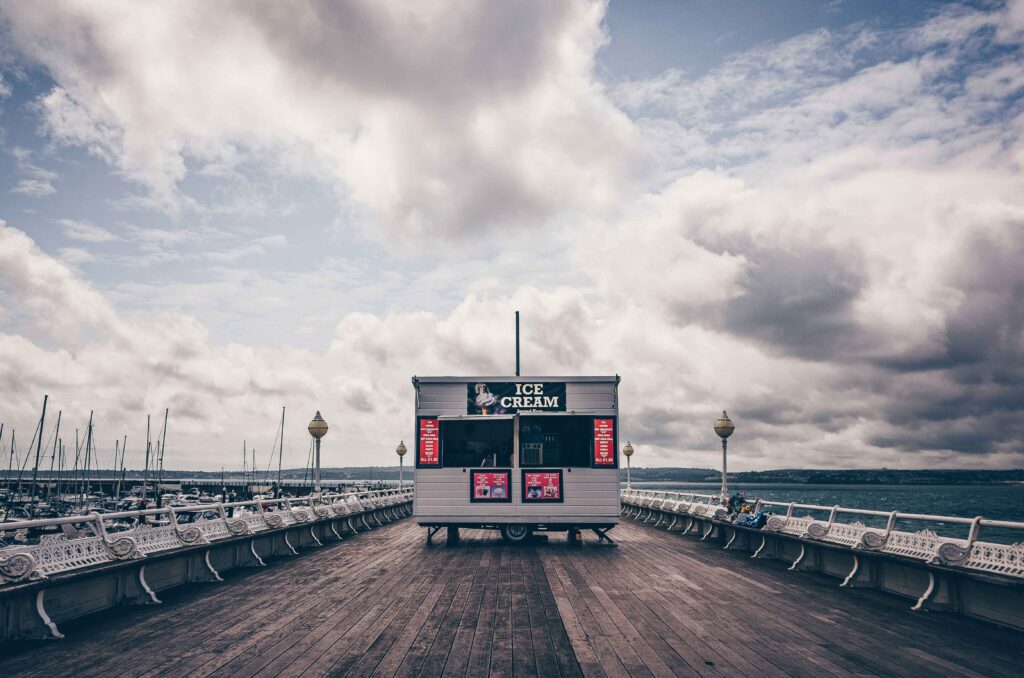
The earliest piers were often built of wood, extending out into the ocean to provide a space for promenading, dining, and observing the ever-changing seascape. As technology advanced, piers began to incorporate more elaborate features, such as pavilions, bandstands, and even theatres, transforming them into hubs of social and cultural activity.
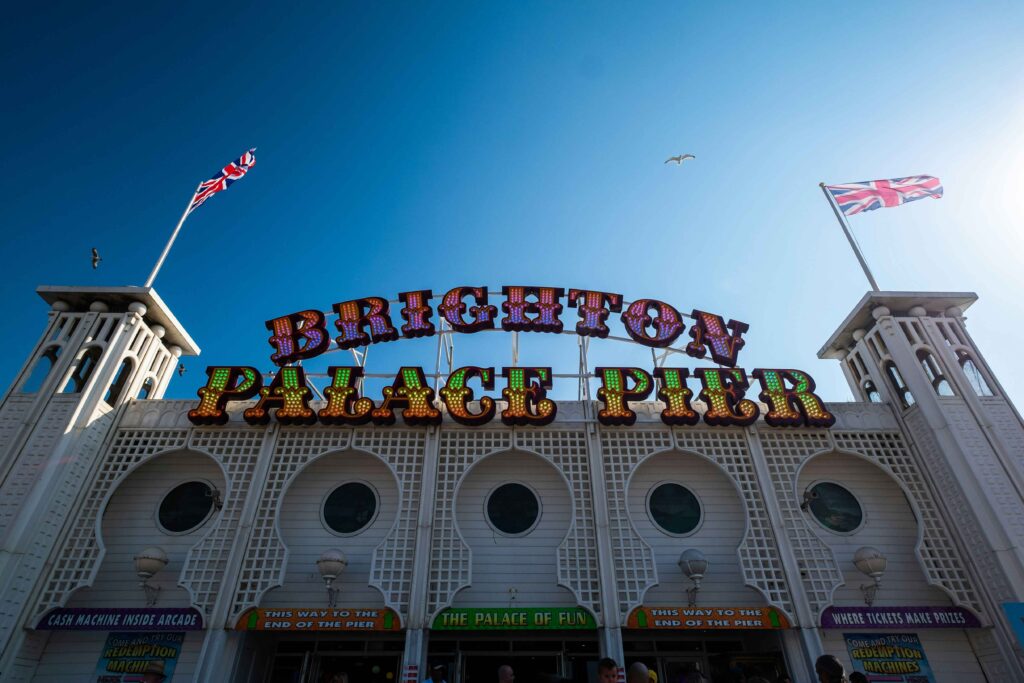
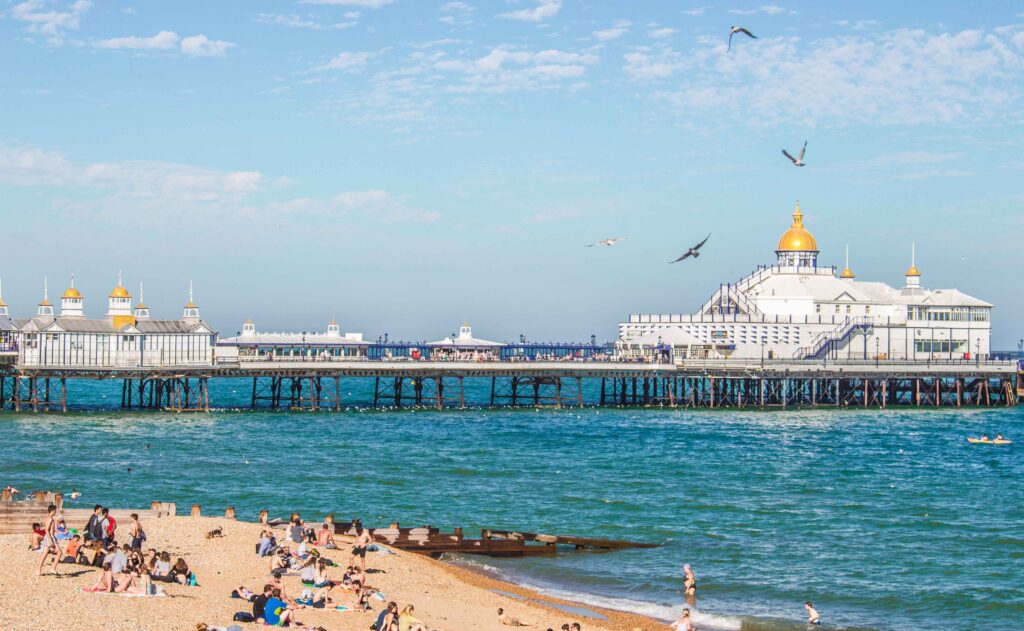
One of the most iconic examples of a British pier is the Palace Pier in Brighton, which first opened in 1899. Featuring a grand entrance, a sweeping arcade, and various entertainment venues, the Palace Pier quickly became a must-visit destination for visitors to the seaside town. Similarly, the Eastbourne Pier, constructed in 1870, has long been a cherished part of the local landscape, with its distinctive Victorian architecture and array of amusements.
However, the history of British piers has not been without its challenges. Many structures have fallen victim to the relentless forces of nature, succumbing to storms, fires, and the gradual erosion of the elements. The Birnbeck Pier in Weston-super-Mare, for instance, has been closed to the public since 1994 due to safety concerns, and its future remains uncertain.
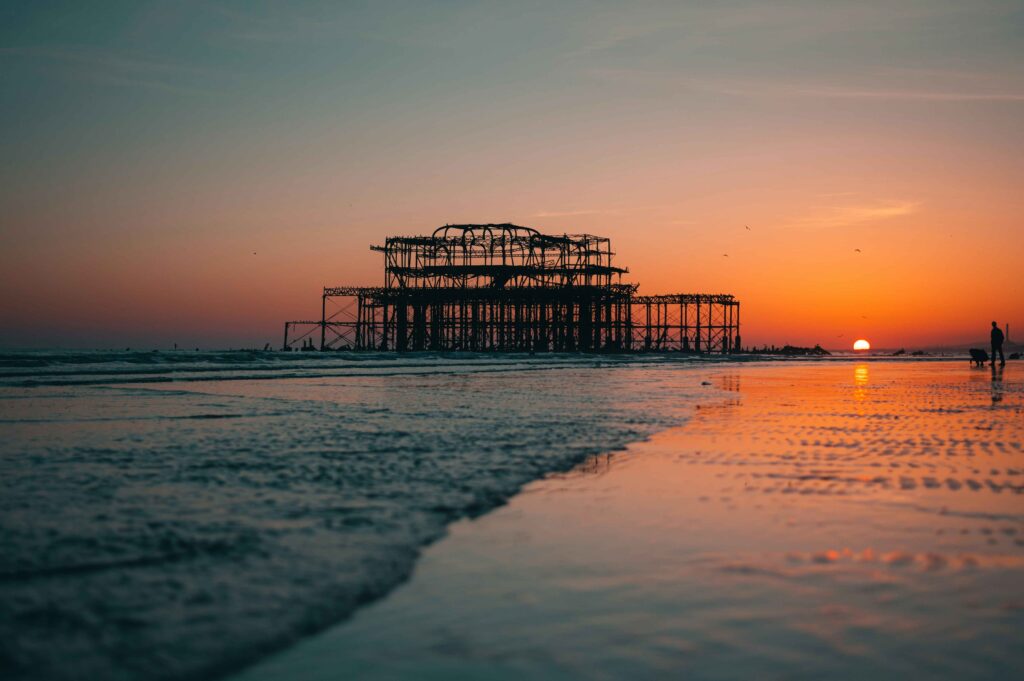
Despite these setbacks, the enduring appeal of piers has ensured their continued presence along the UK’s coastlines. Today, these structures serve not only as a link to the past but also as vibrant hubs of community life, hosting events, festivals, and a range of recreational activities.
Let’s visit the U.K.’s Brighton Pier and check out some of its more popular rides:
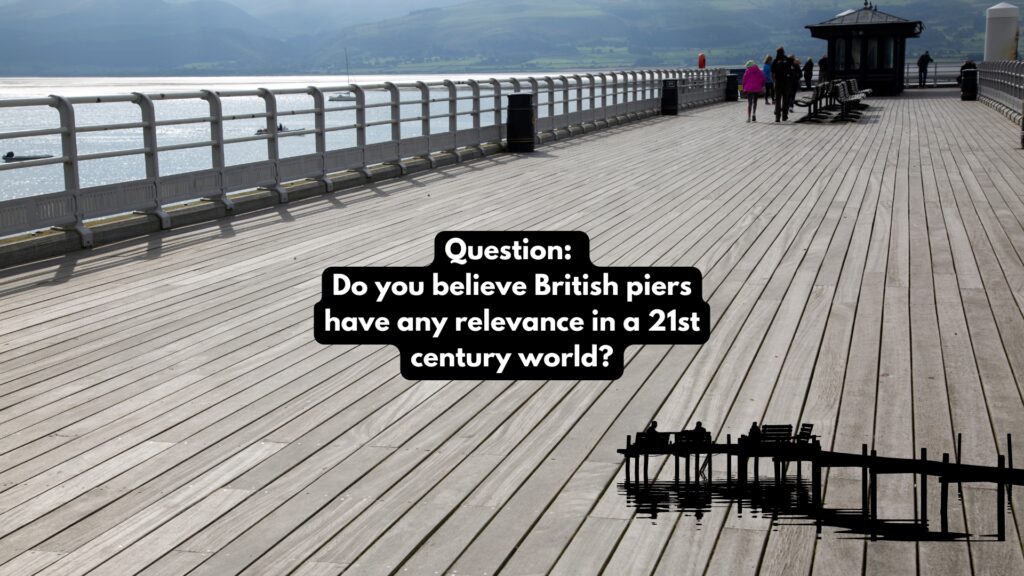
QUESTION:
VOCABULARY: