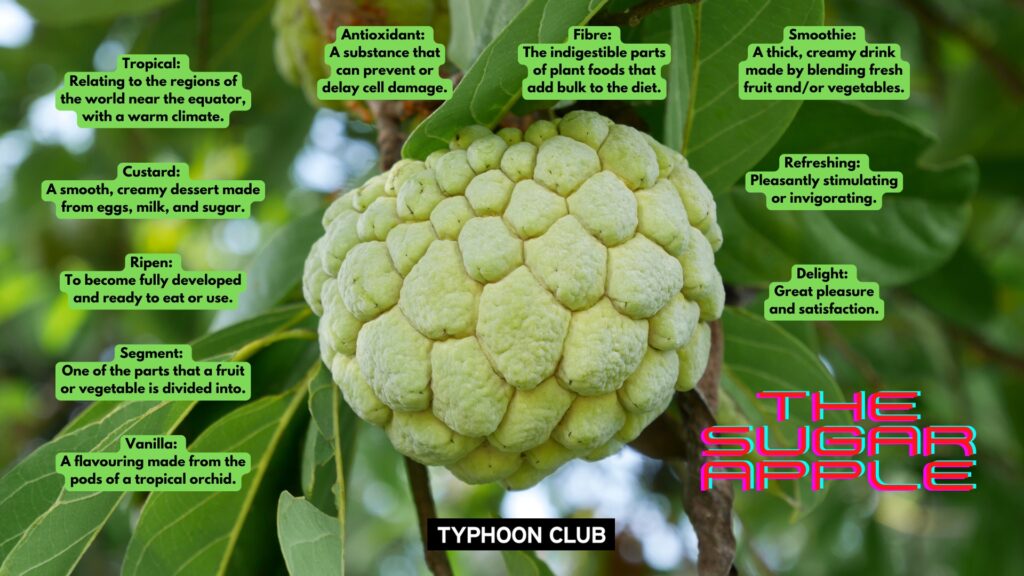
If you’ve never tried a sugar apple before, you’re in for a real treat! This small, round fruit is native to the tropical regions of the Americas, and it’s rapidly gaining popularity around the world for its wonderfully sweet and creamy taste.
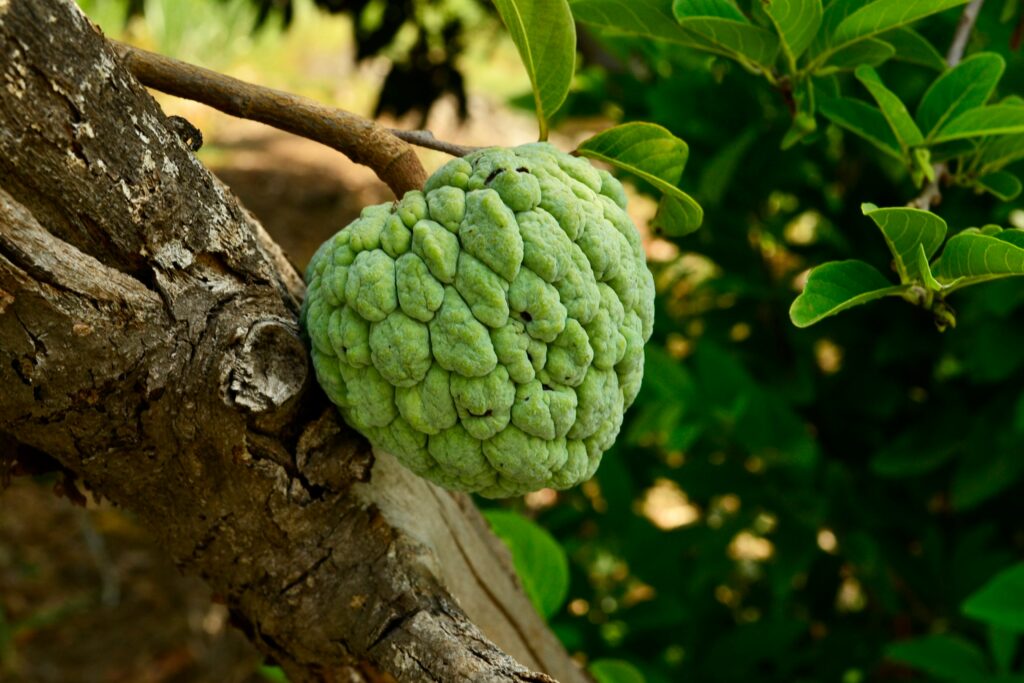
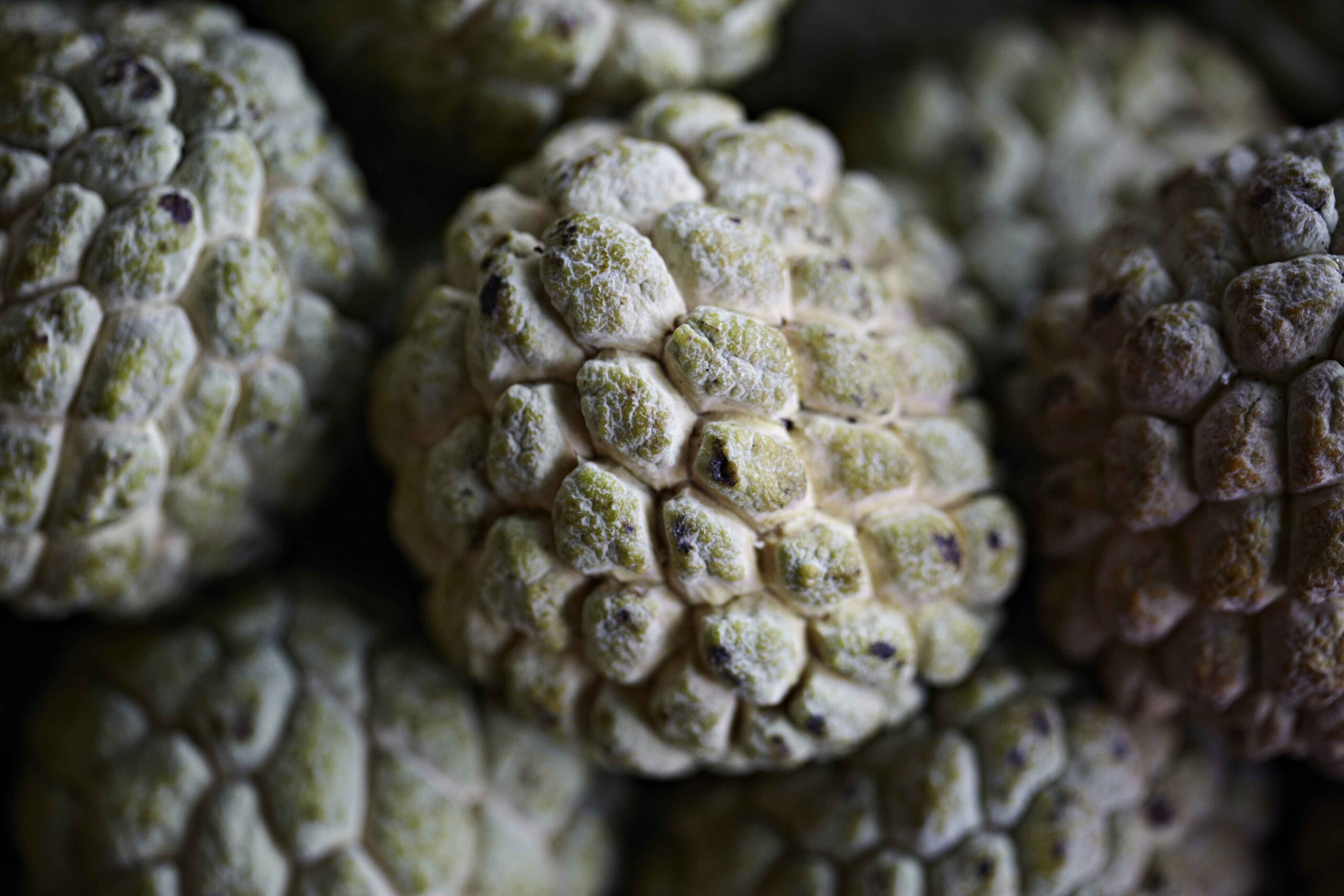
Also known as the custard apple or sweetsop, the sugar apple is produced by a small, spreading tree that can grow up to 30 feet tall. The tree has large, compound leaves and produces distinctive green fruit that look a bit like an artichoke or a green pine cone. As the fruit ripens, the outer segments split open to reveal the soft, sweet flesh inside.
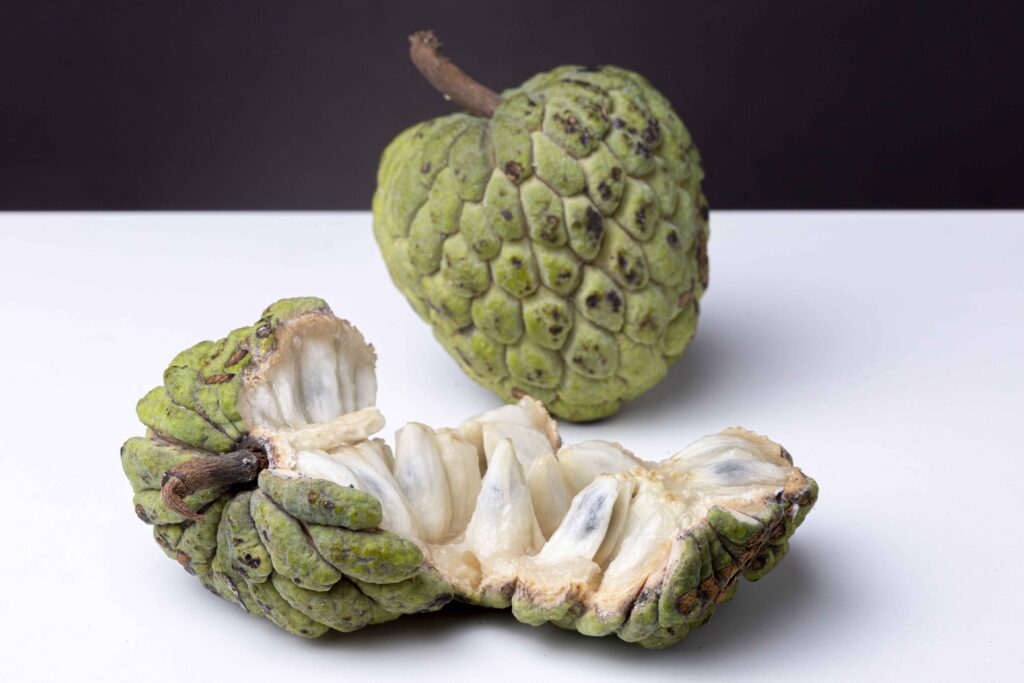
The flesh of a sugar apple is white or pale yellow in colour, and has a smooth, creamy texture that’s been compared to custard or soft-serve ice cream. The flavour is incredibly sweet, almost like a blend of pineapple and vanilla. Many people describe it as one of the most delicious tropical fruits they’ve ever tasted. The fruit also contains small black seeds, which should be removed before eating.
Sugar apples are typically in season during the summer and autumn months. They’re a popular street food in many Latin American countries, where you’ll find vendors selling them freshly cut and ready to enjoy. In some regions, the fruit is also used to make jams, juices, and even ice cream.
Beyond their amazing taste, sugar apples are also quite nutritious. They’re a good source of vitamin C, as well as other important vitamins and minerals like vitamin B6, magnesium, and potassium. The fruit also contains antioxidants and fibre, making it a healthy addition to any diet.
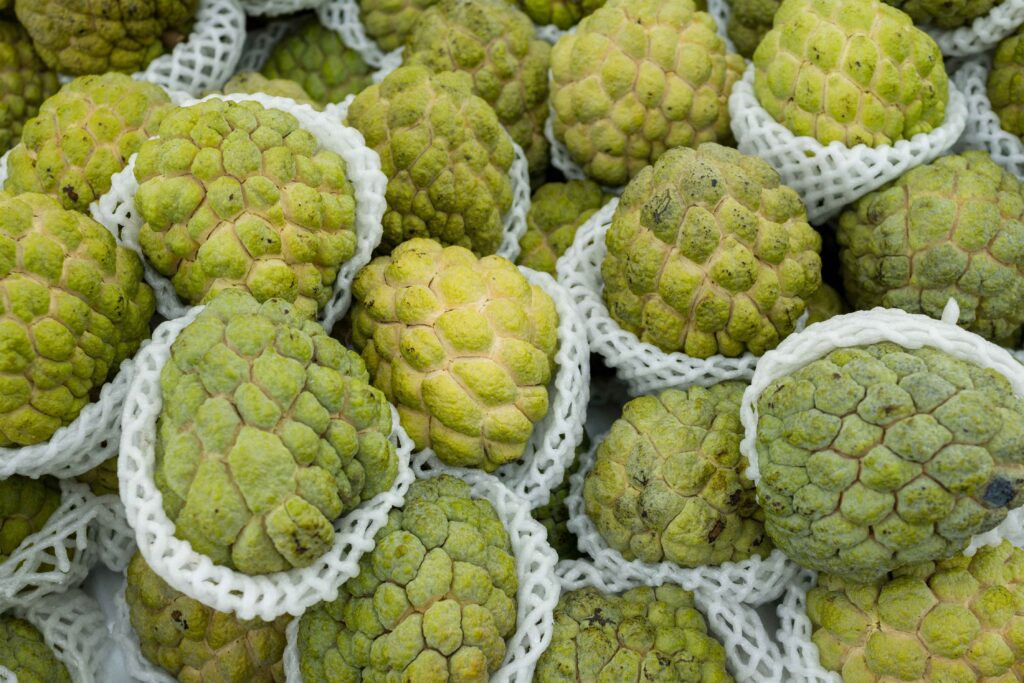
If you come across sugar apples in your local grocery store or at a farmers market, be sure to give them a try! Start by gently squeezing the fruit to check for ripeness: it should be slightly soft to the touch. Peel back the outer segments and scoop out the soft, creamy flesh inside. You can enjoy the sugar apple on its own as a refreshing snack, or try adding it to smoothies, yoghurt, or fruit salads for an extra burst of tropical flavour.
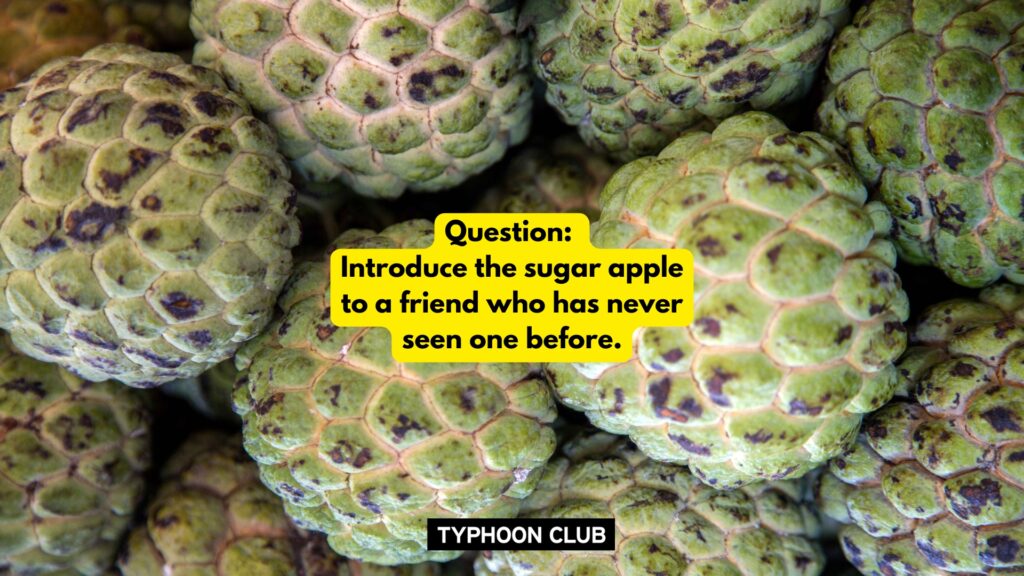
A closer look at looking at then eating a sugar apple:
QUESTION:
VOCABULARY: