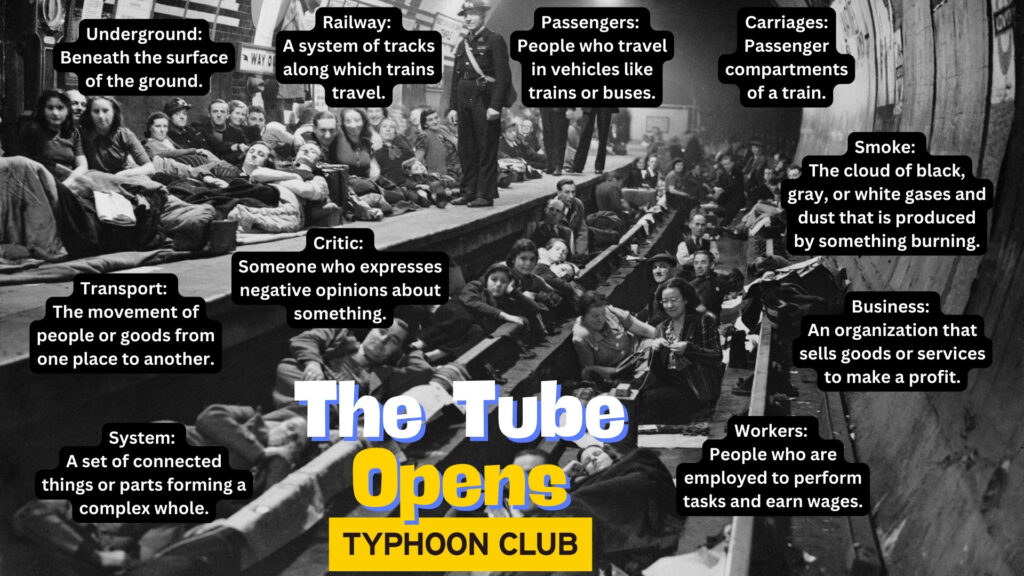
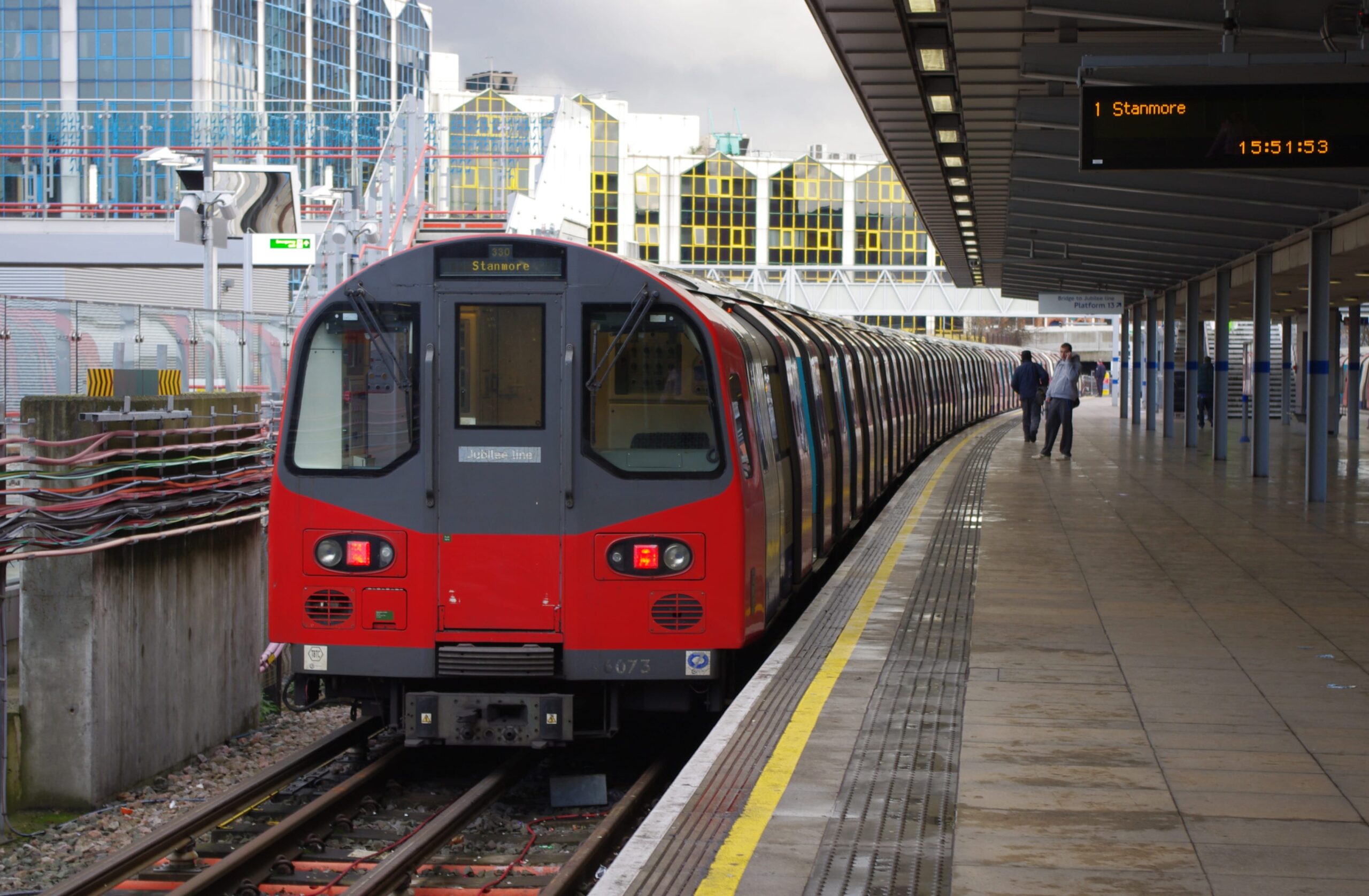
Over 160 years ago, the London Underground emerged as the world’s first underground railway, transforming the way people travelled. You may be amazed at what the passengers were prepared to put up with!
Did you know:
The London underground became known as the Tube because of its round tunnels.
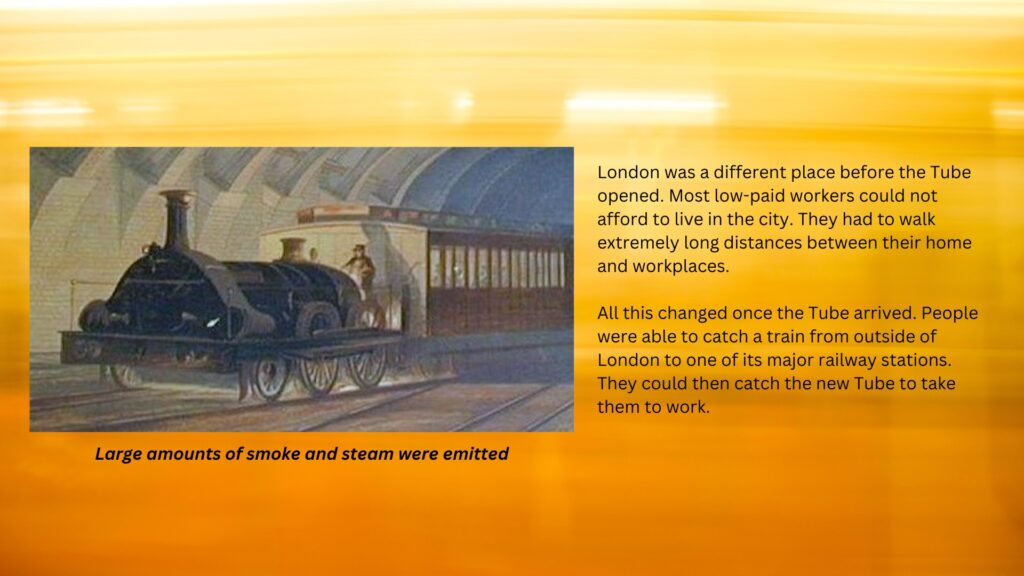
Over 160 years ago, the first underground railway in the world opened in London. Passengers sat in wooden carriages that were pulled by coal-powered engines. These emitted large amounts of steam and smoke and the passengers often left the train coughing and spluttering. A whole new business opened for local chemists, who profited by selling medicine that was said to cure throats, mouths and lungs damaged by this smoke.
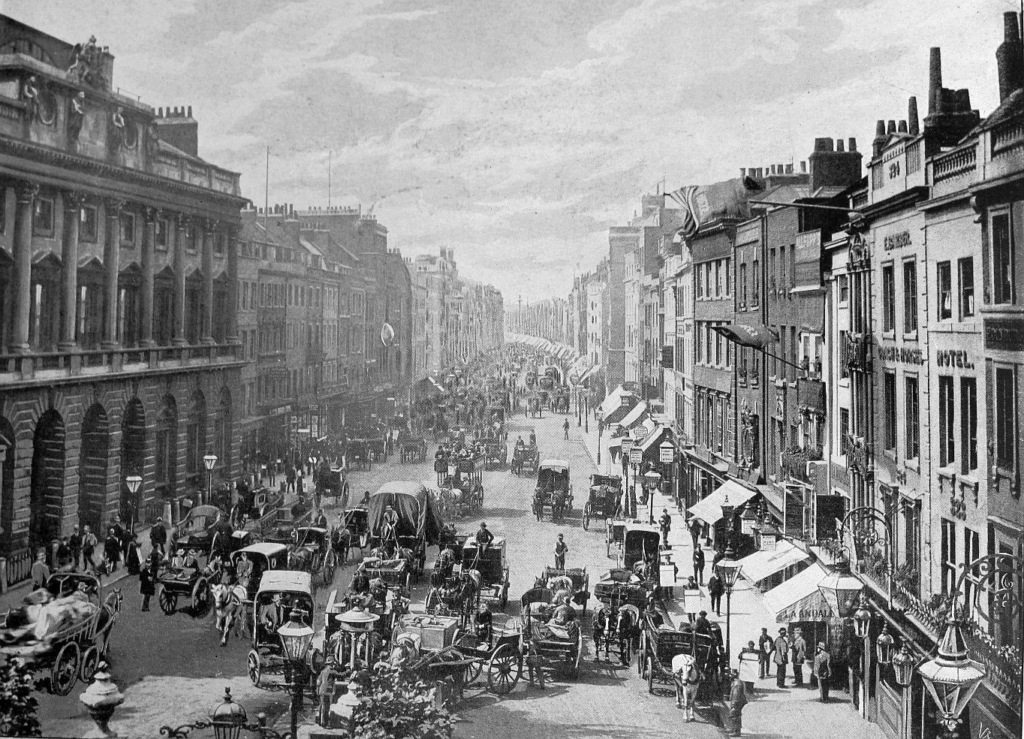
To even think of building a rail network beneath a busy city was challenging. So, it’s amazing the Tube was ever built at all. A man called Charles Pearson was appointed to raise the huge amount of money that was necessary to build the underground railway. Unfortunately, Pearson employed a man called Leopold Redpath to manage it. Redpath turned out to be one of the biggest criminals of the 19th century.
He chose to use much of the money to buy a large house for himself and he led a life of luxury. He even donated huge amounts of stolen money to charity. It is believed he stole the equivalent of HK$210,000,000 in today’s money. He was eventually caught and became one of the last criminals to be transported from England to Australia.
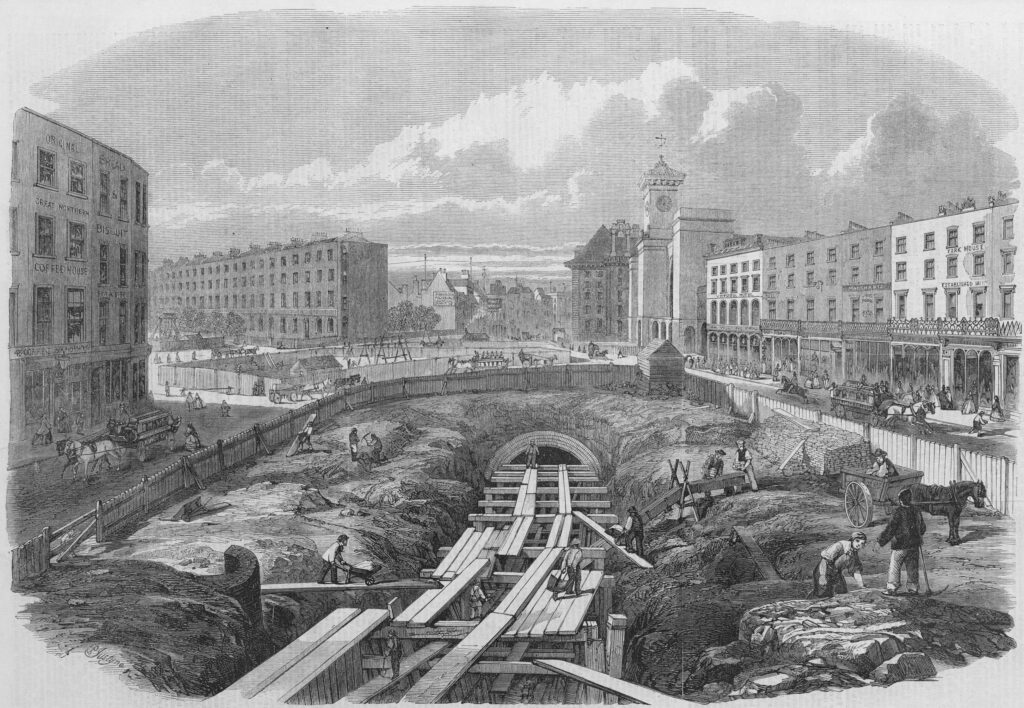
The new transport system had many critics when it first opened. The Times newspaper said it was, “An insult to common sense.” One passenger described his journey as being his first experience of hell. But it soon became popular. Around 38,000 people experienced the Tube on its first day of opening. Low-paid workers were allowed to use a cheap ticket – if they used it before 6.00 in the morning.
The carriages did not have windows as the passengers were said to be afraid to travel underground. This meant the carriages were filled with filthy smoke. Despite this, smoking on the trains was not allowed – that is, until a politician complained, and a smoking carriage was added. People continued to be allowed to smoke in the Tube until 1984 when it was banned following a series of fires on the trains.
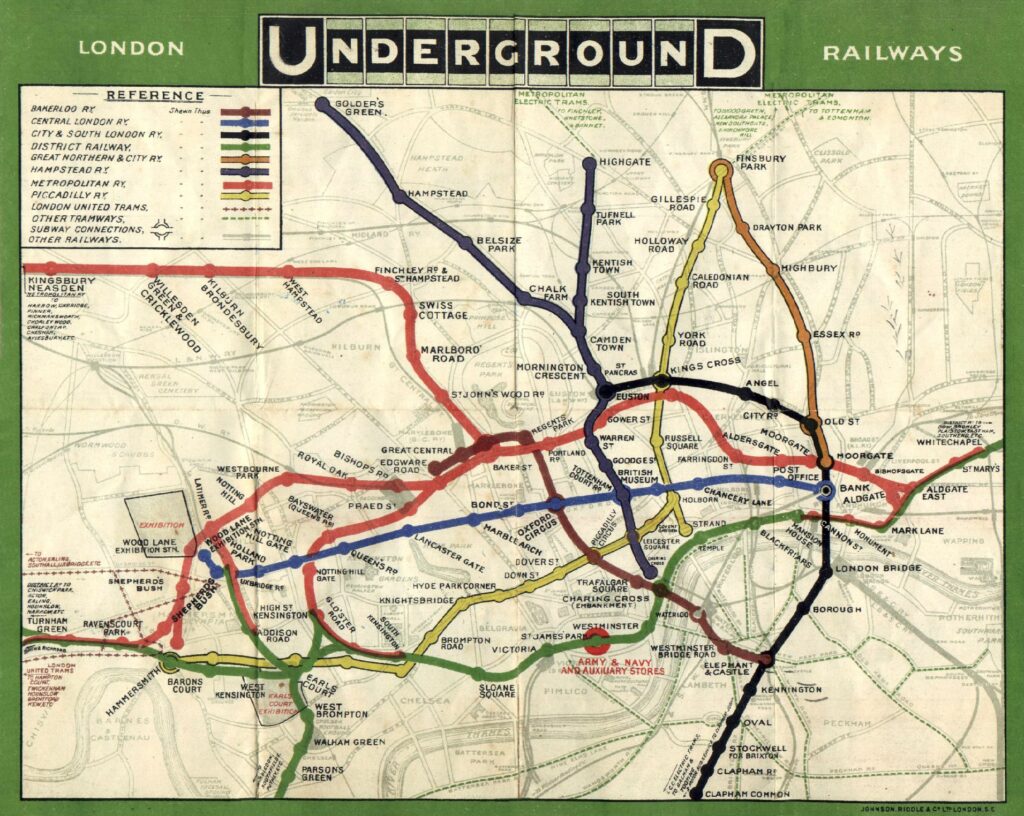
The new transport system had many critics when it first opened. The Times newspaper said it was, “An insult to common sense.” One passenger described his journey as being his first experience of hell. But it soon became popular. Around 38,000 people experienced the Tube on its first day of opening. Low-paid workers were allowed to use a cheap ticket – if they used it before 6.00 in the morning.
The carriages did not have windows as the passengers were said to be afraid to travel underground. This meant the carriages were filled with filthy smoke. Despite this, smoking on the trains was not allowed – that is, until a politician complained, and a smoking carriage was added. People continued to be allowed to smoke in the Tube until 1984 when it was banned following a series of fires on the trains.
A brief history of the London Underground
VOCABULARY