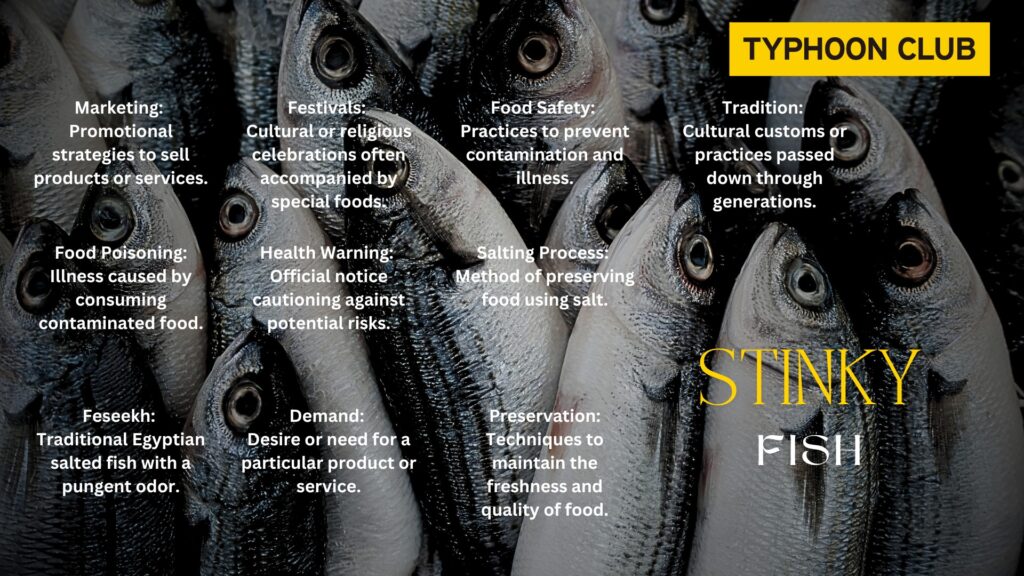
Discover the unconventional marketing strategy that turned a fish with a health warning into a sought-after delicacy in Egypt. Brace yourself for a journey into the world of Feseekh, where tradition, taste, and risk come together in just one disgusting flavour.
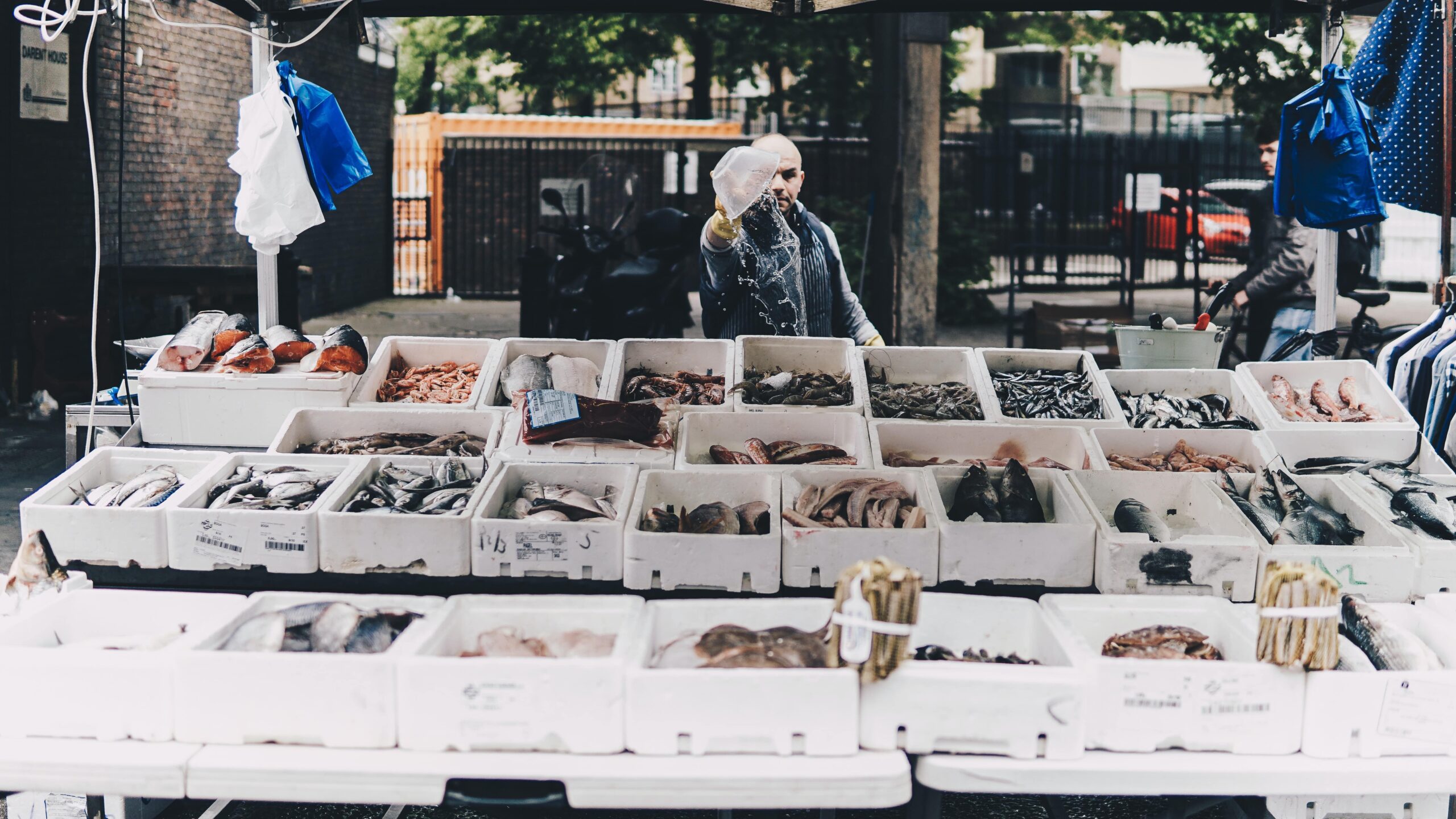
What’s the best way to market and sell your food? If you have plenty of money, you can advertise on TV or in newspapers. Perhaps you can offer passers-by a free sample? If they like it, they can buy some. Food sellers in Egypt who sell a very special fish called Feseekh have found an even better way to promote their fish. Egypt’s Ministry of Health printed a warning to keep away from Feseekh because it could lead to food poisoning and possible death. The demand for Feseekh was huge! The fish soon sold out. Who would have thought that could happen?
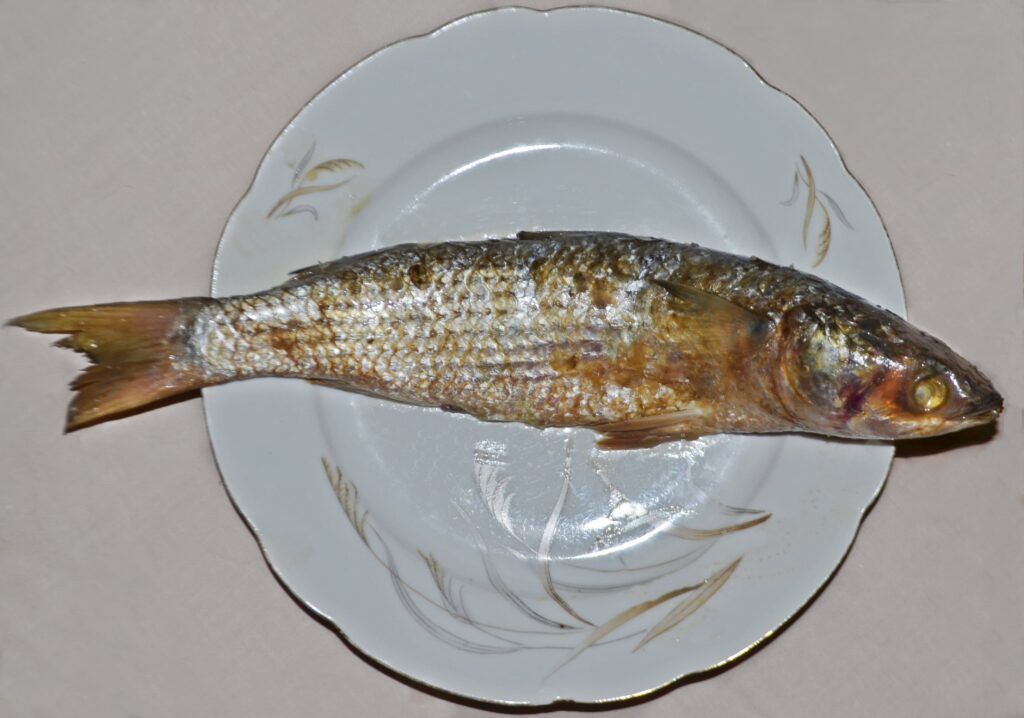
Feseekh has been eaten in Egypt for thousands of years. It begins as a saltwater fish called a mullet. It’s caught in the Mediterranean Sea and weighs about one kilo. It is dried in the sunshine before being placed in a large container filled with salty water. It stays there for 45 days without any refrigeration. In Egypt, the average temperature at any time of the year can be between 25 – 40 degrees Celsius. It’s very hot and any kind of food can quickly go off.
Following its long salty bath, the fish is taken out. On the outside, it looks like a normal fish. On the inside it is a grey gooey mess. But people go crazy for it. They love it – even though its smell has been described as something like rotting feet wrapped in old cheese.
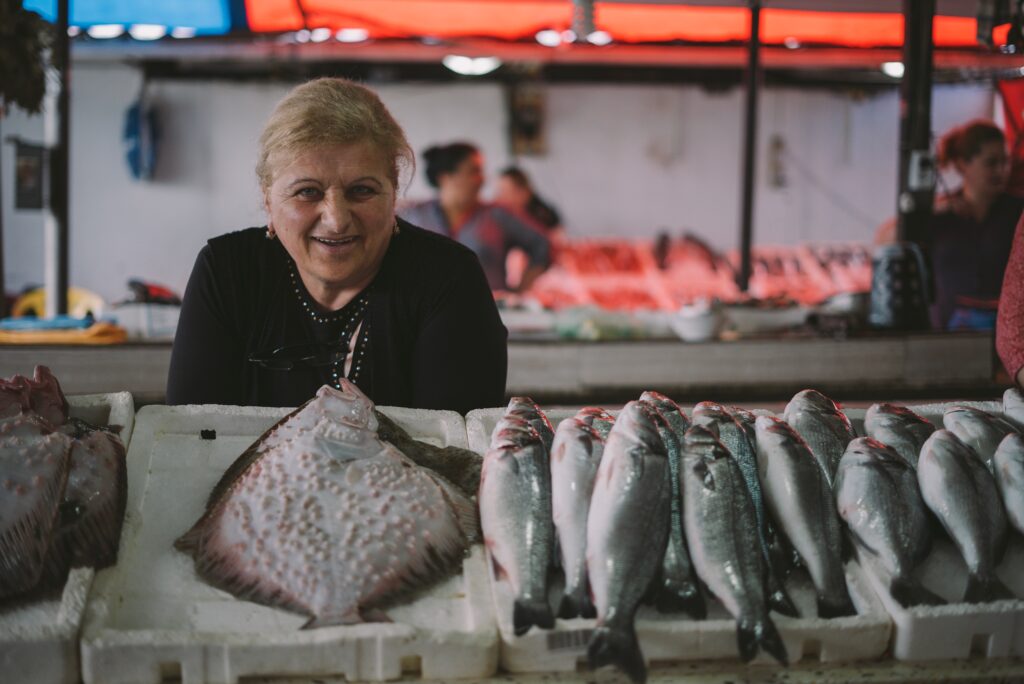
Feseekh is eaten during Egypt’s spring festival. One of the most popular shops selling it is owned by the Shaheen family. They have been selling this seasonal dish for over 100 years. Each fish costs about HK$100. During the festival, families buy Feseekh before going to the park, where they have a picnic and eat the salted fish with brown bread, a little oil and some lemon. Everyone knows that the Shaheen family members are experts at preparing the fish and they will not be poisoned.
In 1990, 18 people died after eating Feseekh and 90 were poisoned. In 2008, 26 people were poisoned and four people died. Because of this, the Ministry of Health began to issue warnings every year. When the fish is being sold, the police regularly visit sellers. If they have concerns about the way the fish has been prepared, they have it thrown away.
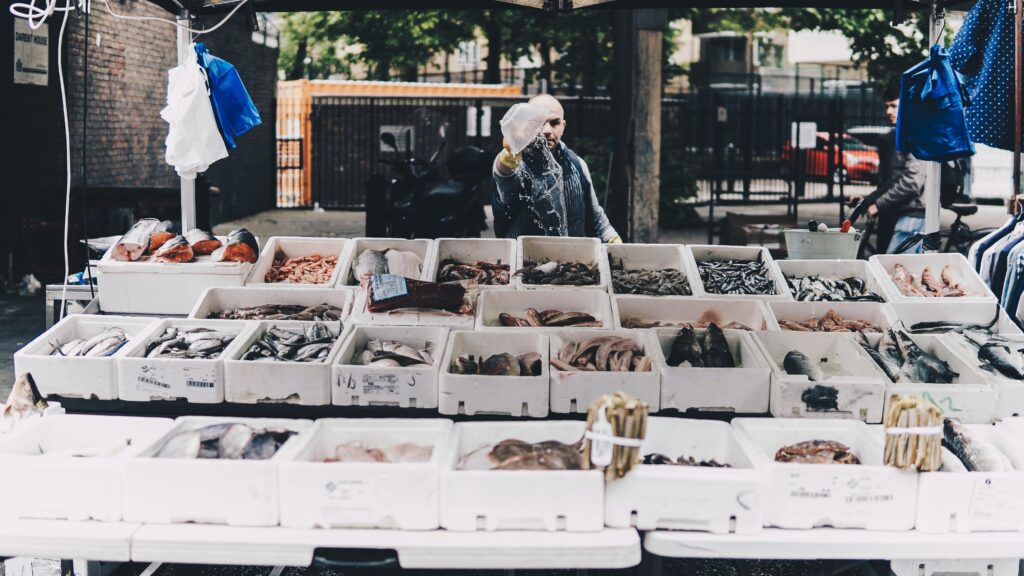
Countries all over the world preserve fish for many different reasons. Usually, a fish is covered in salt and allowed to dry in the sunny weather. The meat on the fish becomes very dry and hard. When it is time to eat it, the dried fish must be soaked in fresh water for many hours before it is cooked. Leaving a fish in salty water for over one month is certainly a different style of preservation. What’s more worrying is that with Feseekh, the fish’s guts are not removed before the salting process begins. And that’s why eating this fish can be highly dangerous.
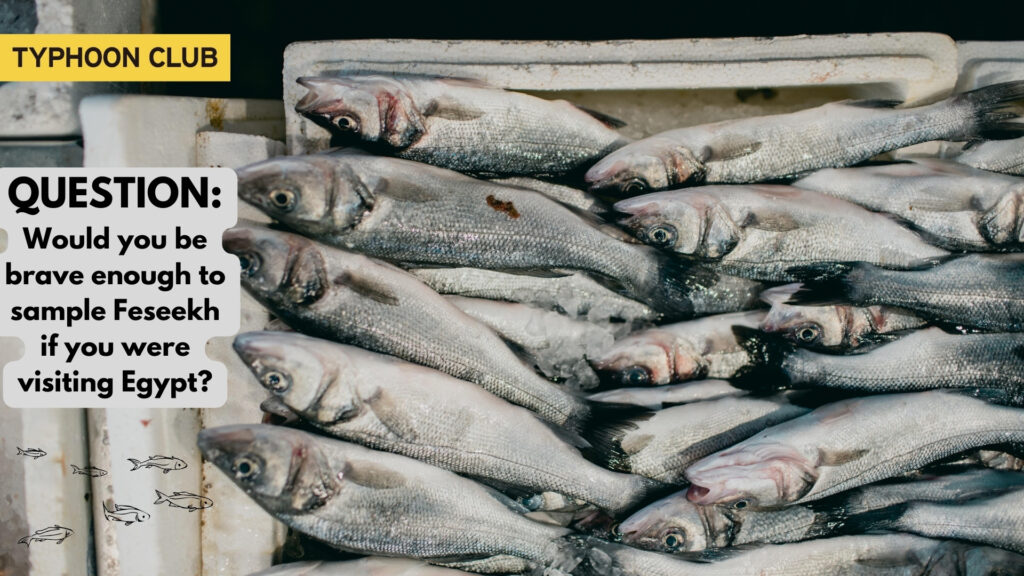
Question:
Learn some more about Feseekh with this video
VOCABULARY