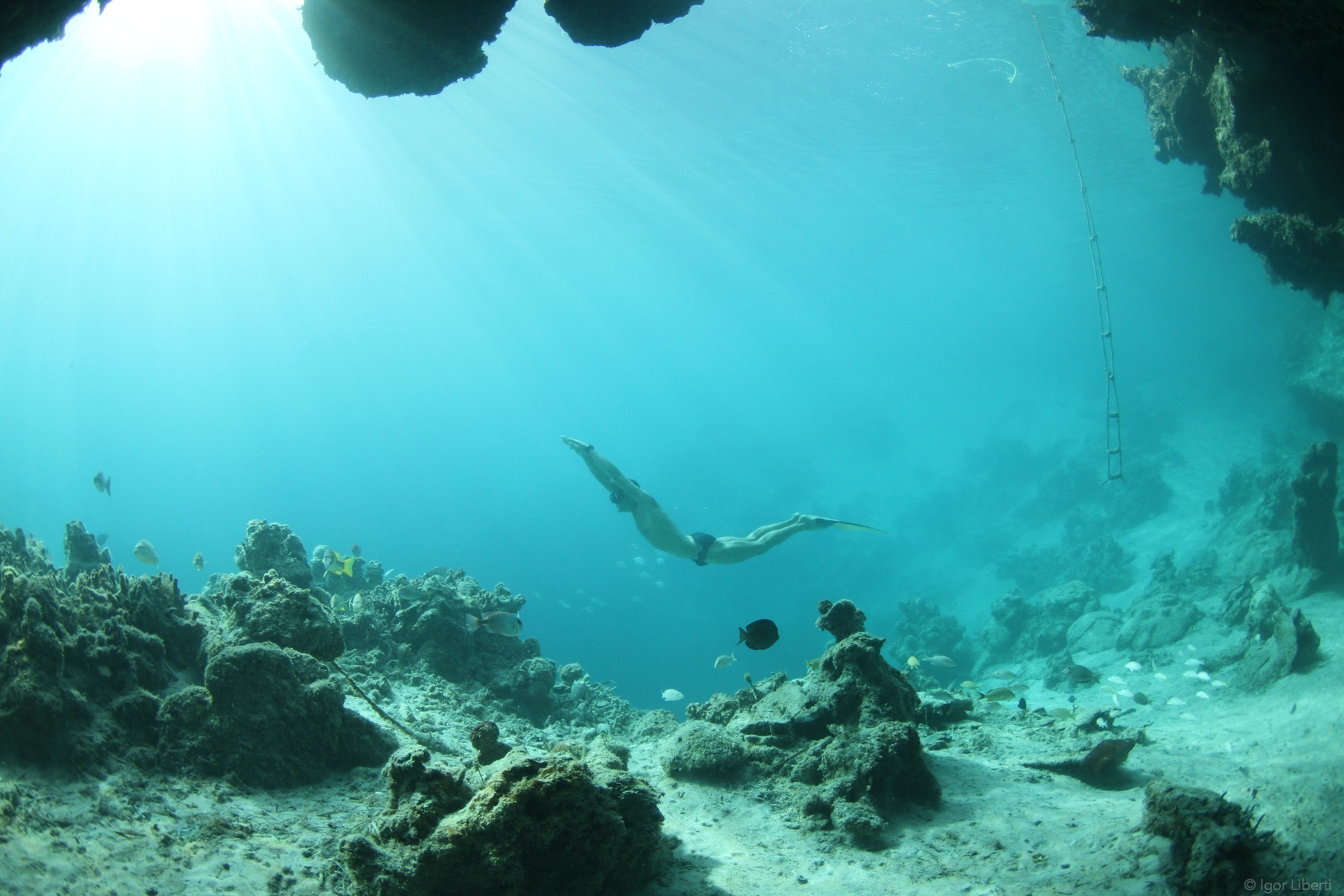
William Trubridge is a very serious and highly successful athlete in an extreme sport that sounds especially dangerous. He’s a freediver, which means he takes one deep breath and swims down into the sea as deep as he can possibly go. William is a 15-time world record holder and the current freediving world champion.
He was born in England in 1980, and learnt to swim when he was 18 months old. When he was still very young, his parents sold their home and bought a boat. Together, they sailed all the way to New Zealand allowing William to use the ocean as if it were his backyard. He became a very strong swimmer, and by the age of eight, he could dive to 15 metres below the surface.
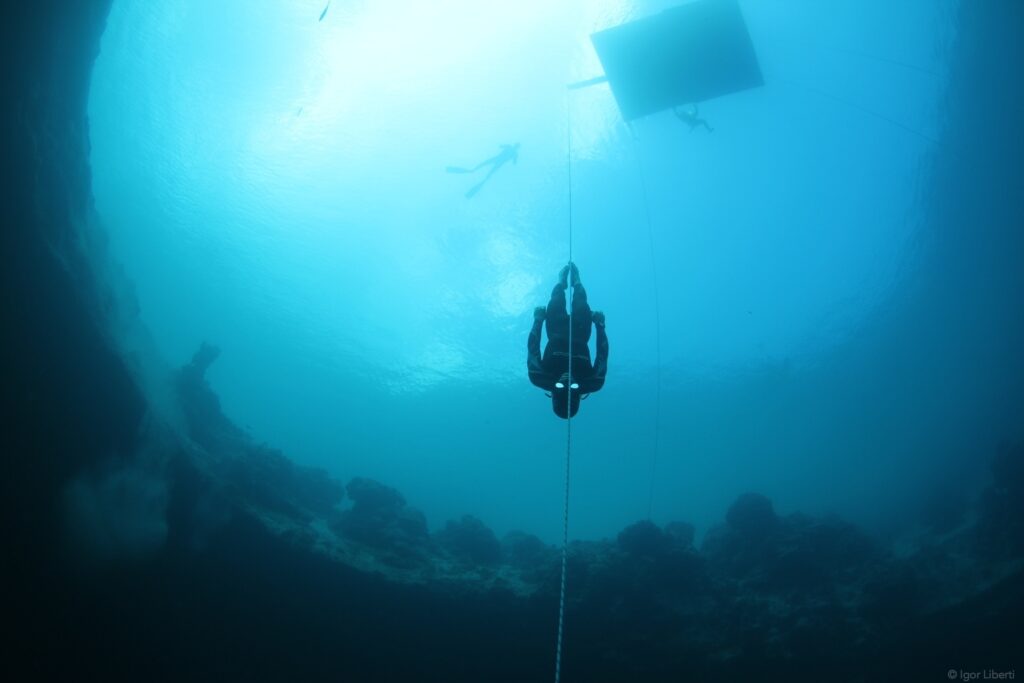
There are three different kinds of freediving: constant weight, where the diver uses just his arms and legs; constant weight with fins where the diver wears fins; and free immersion where the diver uses a rope to help guide him on his way down and then back up. William’s a specialist in constant weight.
He has described freediving as a mental sport as much as a physical one. Before getting into the water, it is important for the diver to reach a certain mental state and force from his mind any concerns he may have. His main worries occur before he dives, not during the dive.
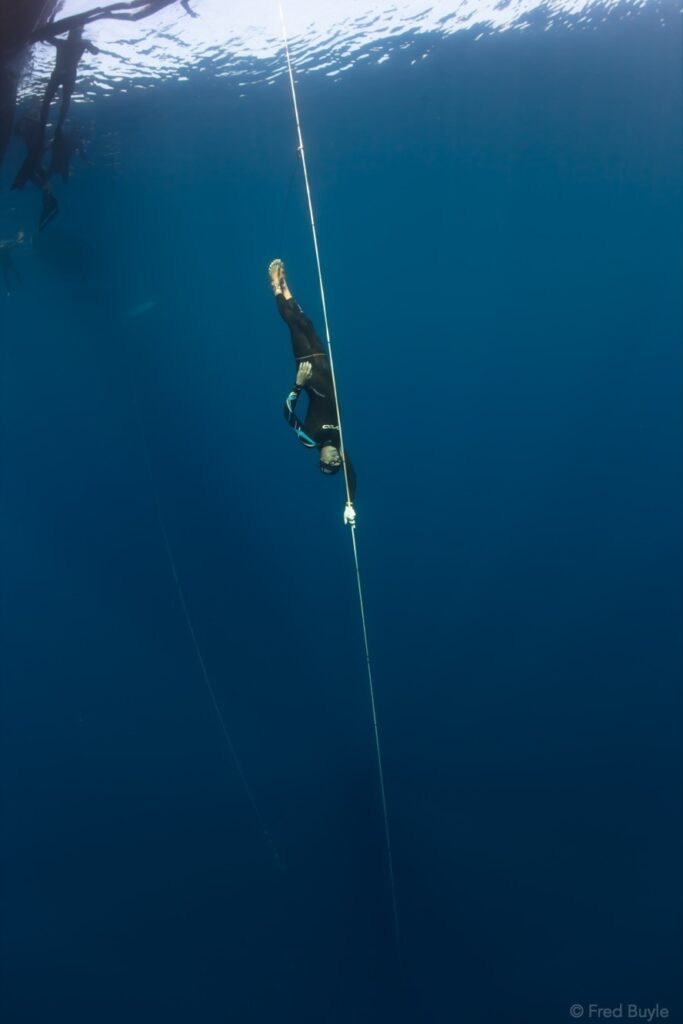
Once his dive starts, he swims vertically for seven strokes which take him to about 15 metres. From that point, the body sinks naturally and it is not necessary to waste energy on moving limbs. He descends for two minutes. His heartbeat slows down, and William says this is the most relaxed part of the dive. At the deepest point, there is a tag that he takes and sticks to his leg. He turns around and makes 33 strokes which take him toward the surface. The final ten metres is the most dangerous point as the diver’s body can run out of oxygen. Once he reaches the surface, he must remove his goggles and nose clip within 15 seconds and indicate to the judges that he is all right. If he does not do this, he is disqualified.
Question:
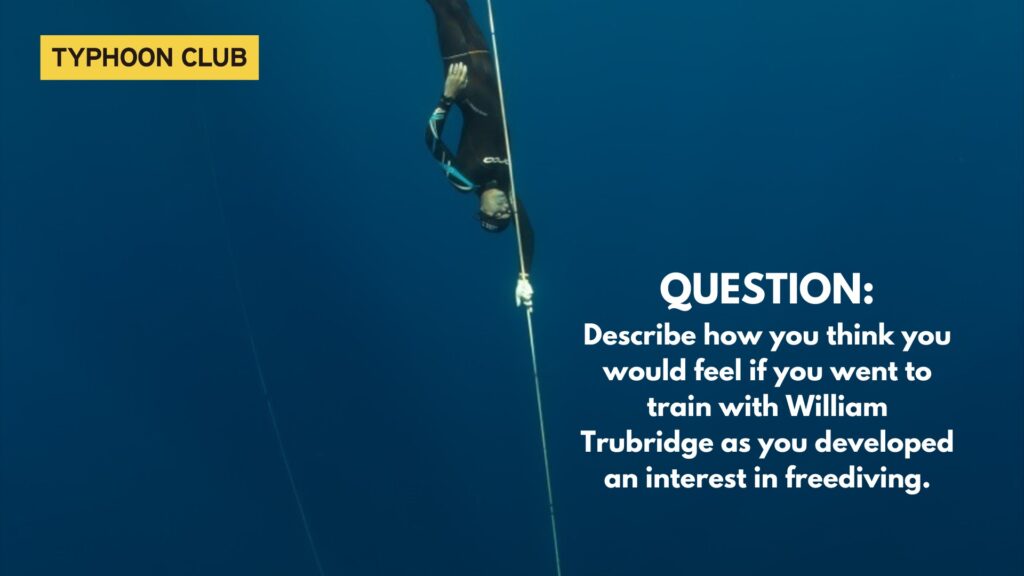
Watch William Trubridge deep dive 60 metres and back to the surface in just 60 seconds.
VOCABULARY