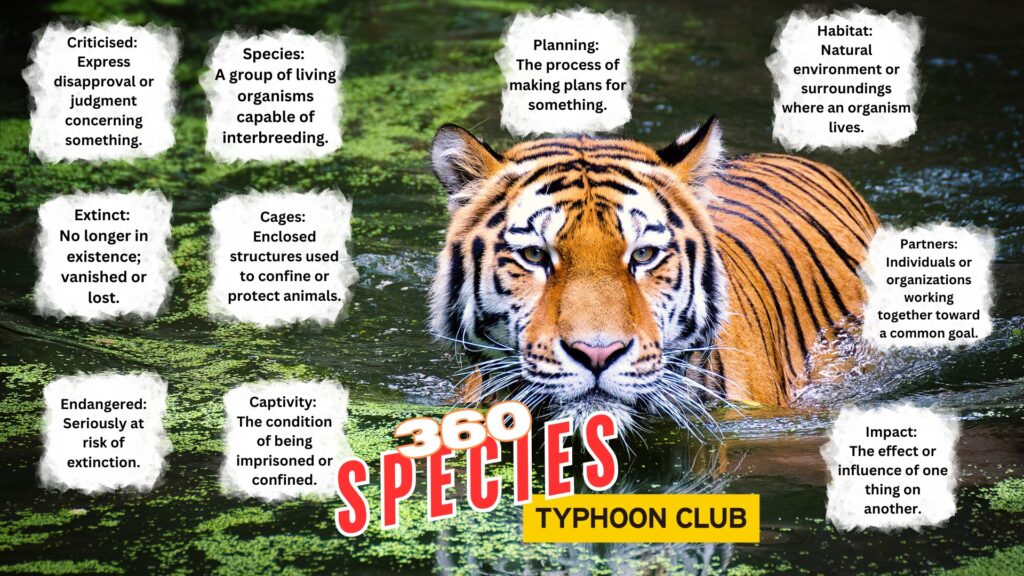
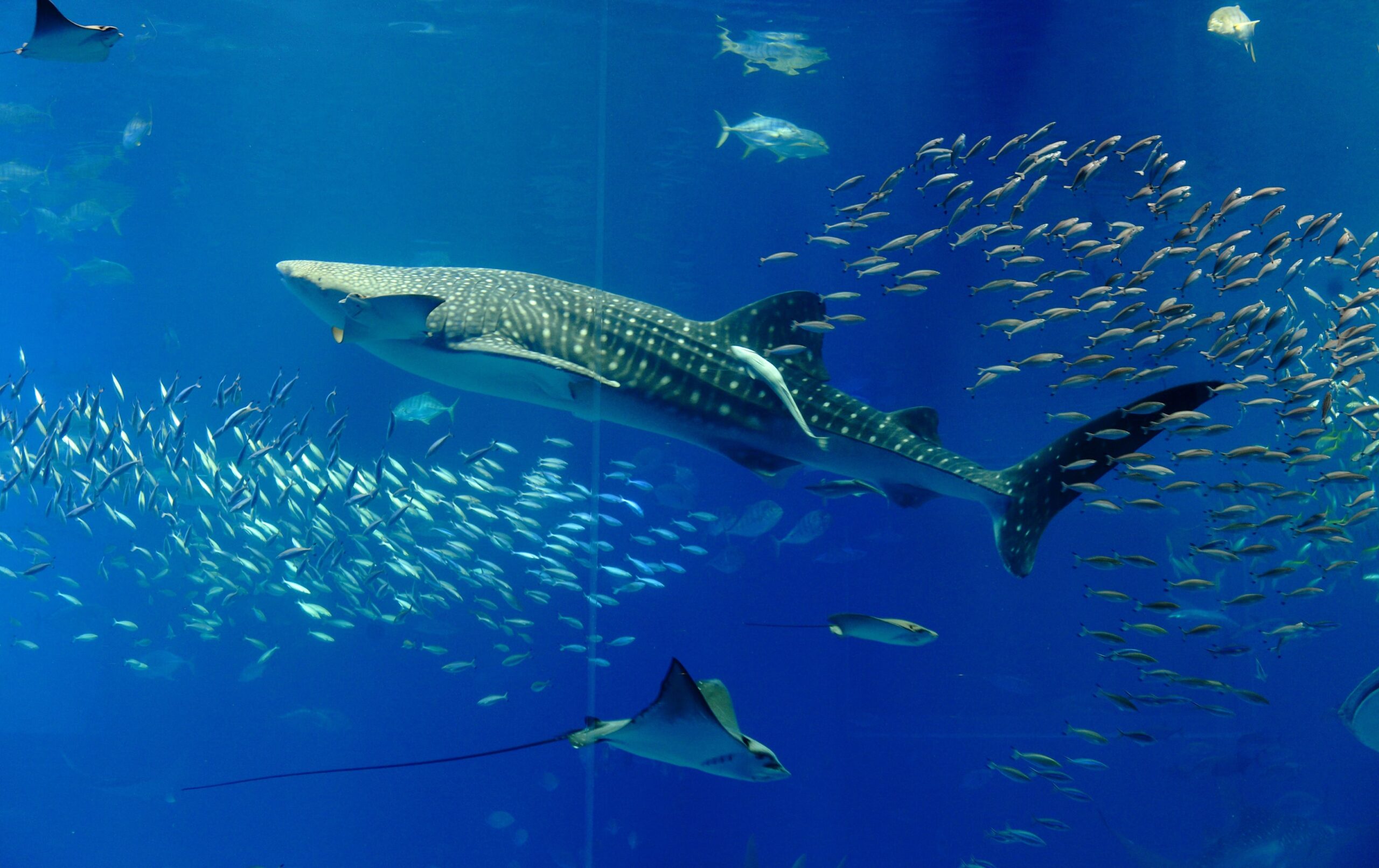
Zoos often face criticism for confining animals that rightfully belong in the wild. However, beyond the debate lies a crucial aspect of their work: preserving endangered species. Many zoos worldwide are home to species that have become extinct in their natural habitats. They play a vital role in conservation efforts, actively working with one another to protect and breed endangered animals.
Zoos are often criticised by people who ask, “Why are such beautiful animals kept in captivity when they should be in their natural habitat? They’re wild animals and should not be in cages!” It’s a fair question and one we should always ask. But take a closer look at the work done by many zoos around the world, and you will find they are home to many species that are extinct in the wild. They are doing an amazing job.
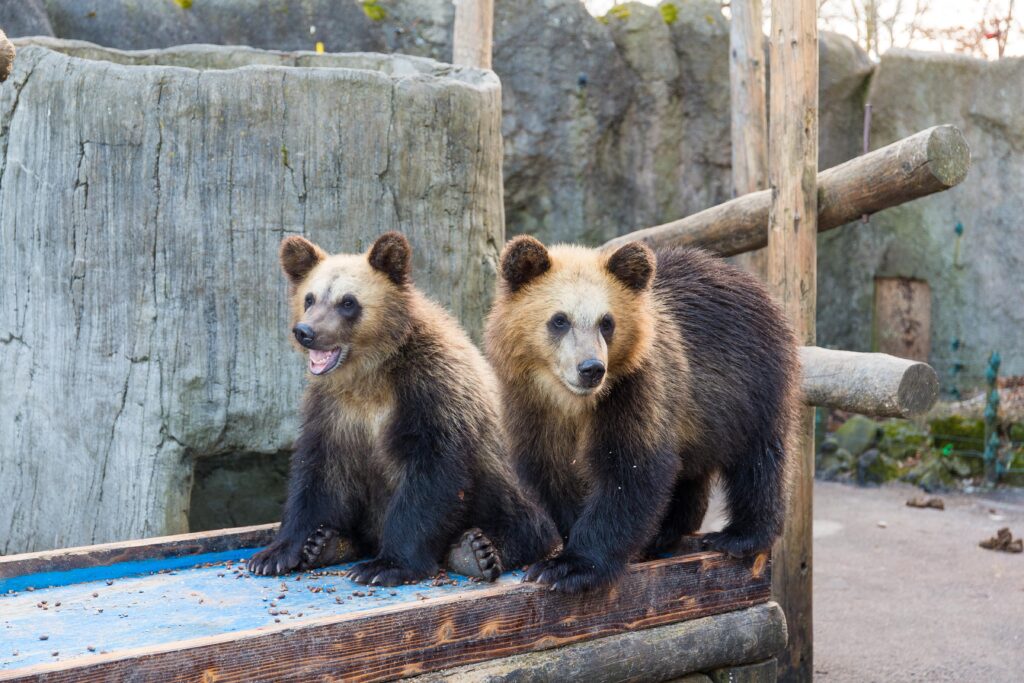
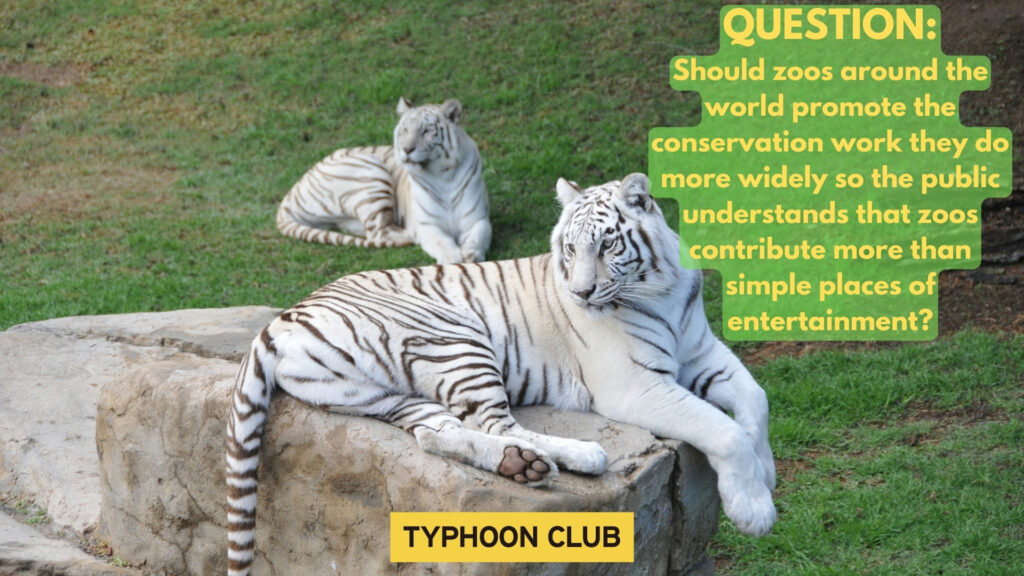
Think about this example: there are less than 300 Sumatran tigers today. They are considered a critically endangered species. Jae Jae is a male Sumatran tiger who was born in San Francisco Zoo. He was flown to ZSL London Zoo recently where he met Melati, a female of the same species; 108 days later, Melati gave birth to two cubs called Achilles and Karis. They all live happily together in London.
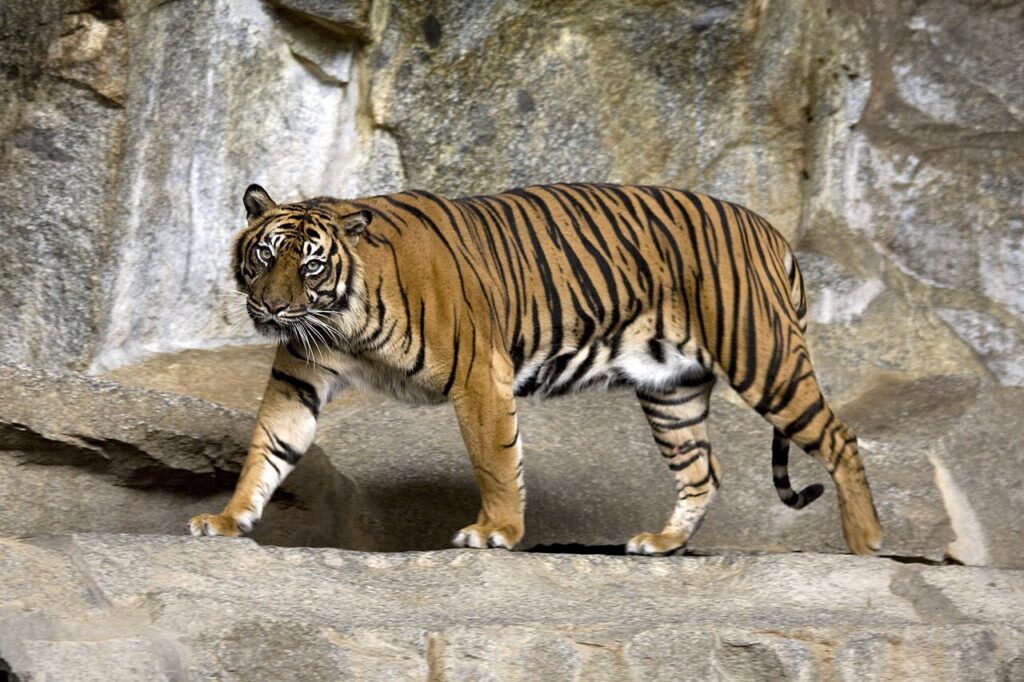
Through careful planning, it is possible for one zoo in one country to work with another zoo in another to help bring endangered species together. Until very recently, this was an incredibly difficult task. The information about different species used to be stored in thousands of books and files in hundreds of zoos around the world. The information was there, but it was very hard to find.
Since 1974, this information has slowly been transferred onto an international computer database called ZIMS (Zoological Information Management System). Today, over 1,000 zoos and aquariums in 93 countries are registered with it. ZIMS contains information on 22,000 species and 10 million animals. There are also 75 million medical records available. With this information, organisations are able to actively look for partners for animals under their own management. This can lead to preventing some species from becoming extinct.
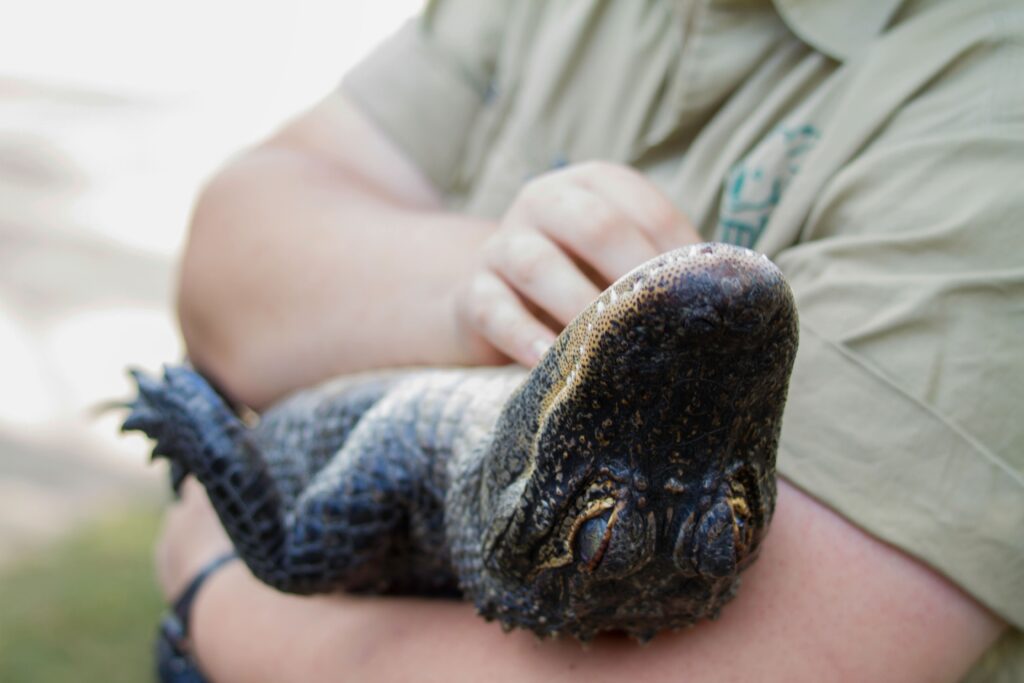
Every week we read about different species becoming endangered. Habitat loss and climate change have a huge impact. Zoos like ZSL London Zoo together with ZIMS can make a difference.
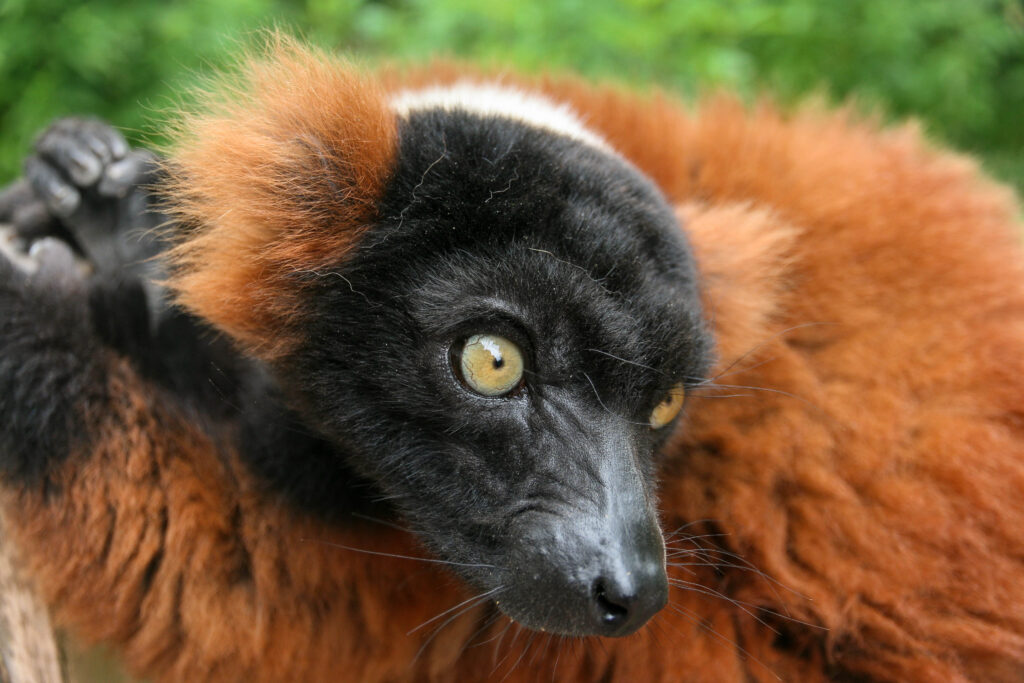
Eka is a female, red-ruffed lemur who lives in a zoo in Poland. She looks incredibly cute, but like the Sumatran tiger, red-ruffed lemurs are nearly extinct. Eka was introduced to twin brothers Nero and Faro, in Germany; 102 days after the meeting, Eka gave birth to George, Fred and Ron, named after the Harry Potter characters. Eka, Nero and Faro seem very happy together – but no one knows who George, Fred and Ron’s father is. Thankfully, Eka does not seem too bothered about this.
Question:
Here’s an explanation of how animal experts can use the data collected from ZIMS:
VOCABULARY