
Did you know?
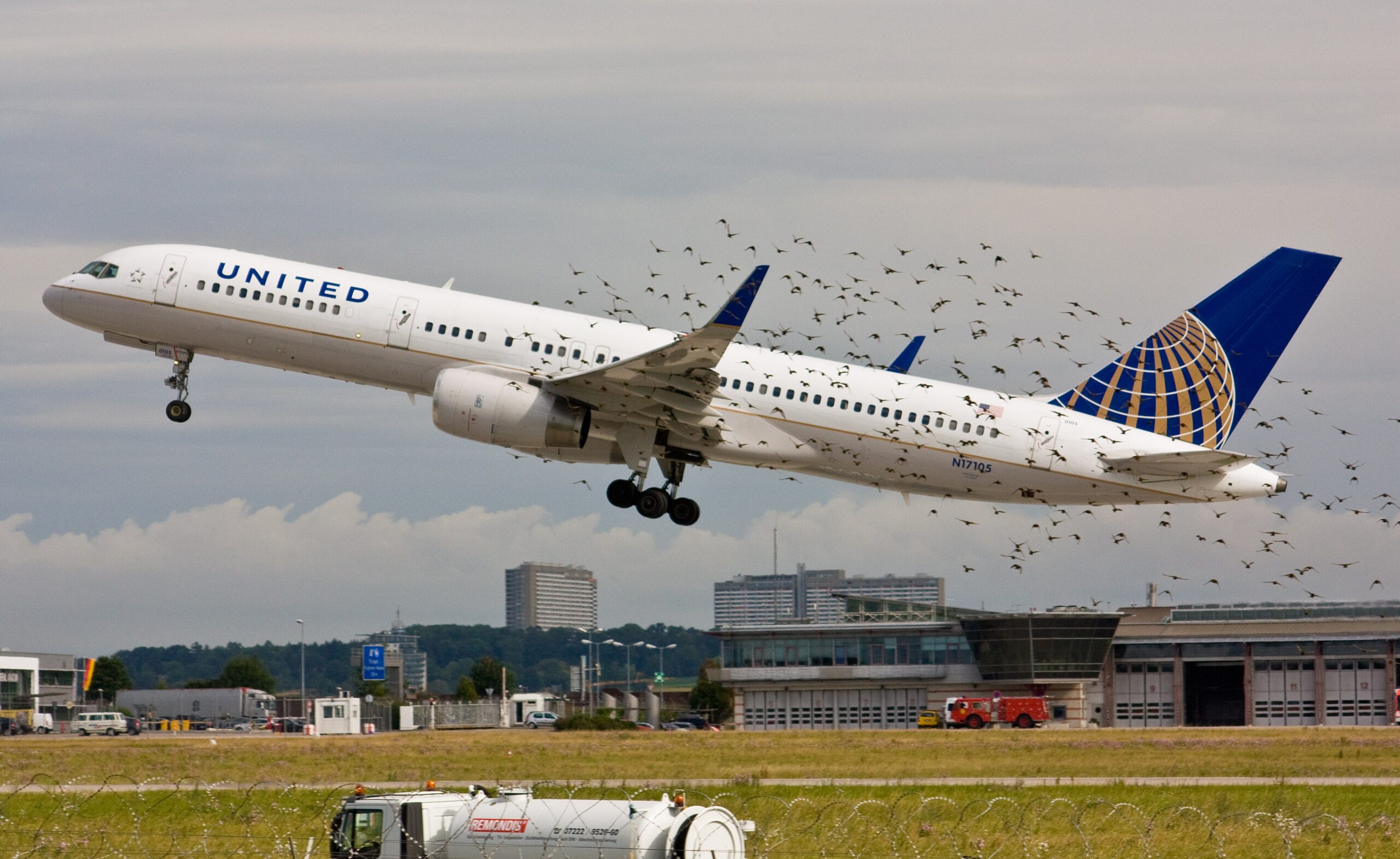
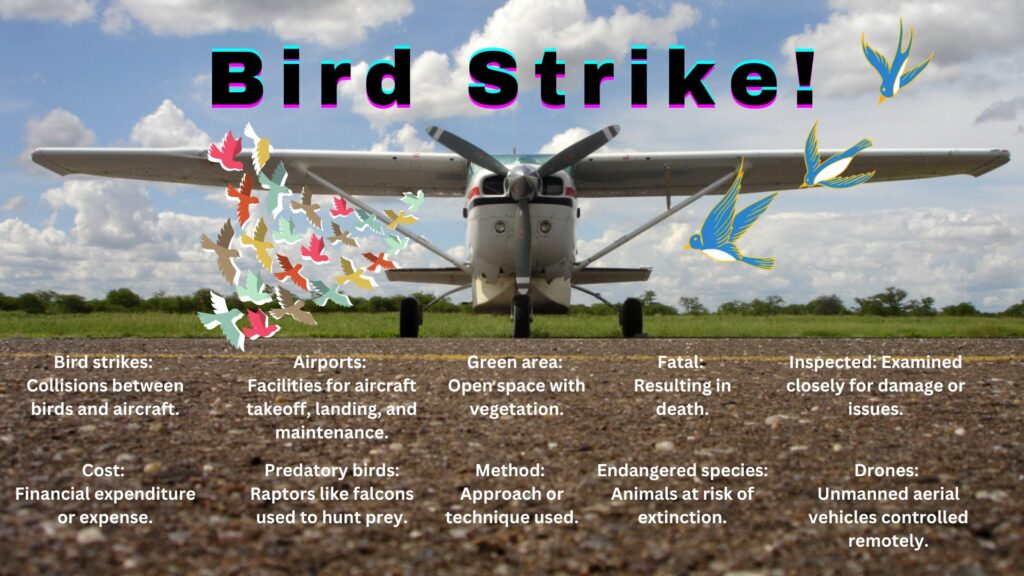
There are over 13,000 bird strikes at airports in the United States every year. Most bird strikes cause little damage.
Airports are usually built outside of cities and towns. There are obvious reasons for this. It does mean though that an airport is often located within a green area, and this can present a number of problems. One of them is birds.
It’s extremely dangerous when an aeroplane is taking off or landing and there are birds flying in the area. If the birds hit the plane or are sucked into its engines, it is called a bird strike and it can be fatal. Whenever there is a bird strike, the pilot is required to land the plane at the nearest airport so it can be inspected for damage. This can cost lots of money. In fact, every year bird strikes around the world cost airlines US$1 billion.
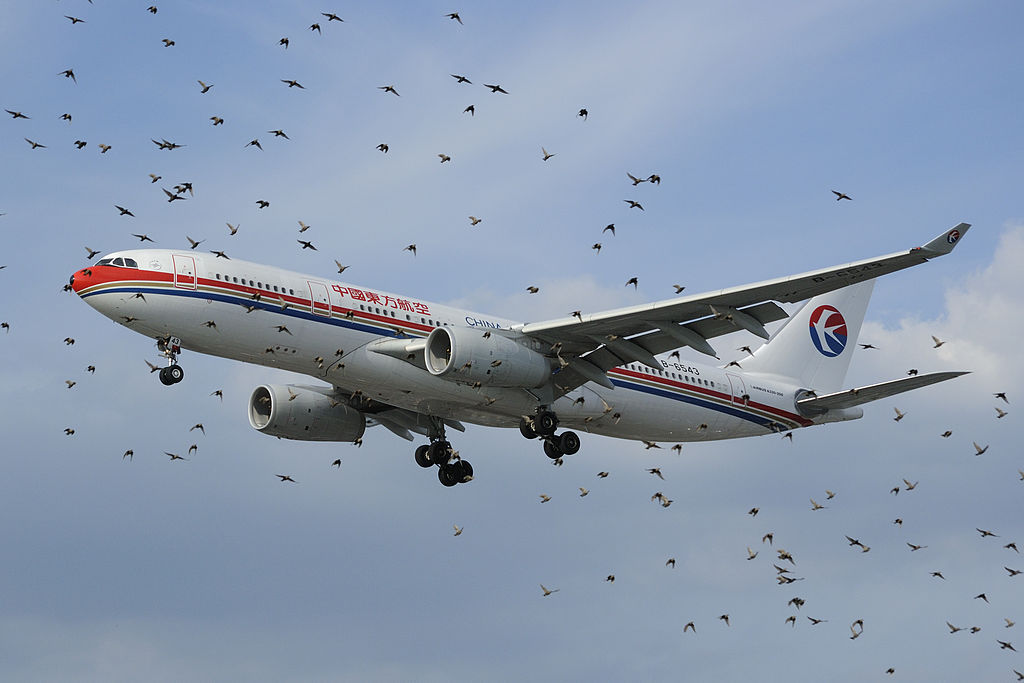
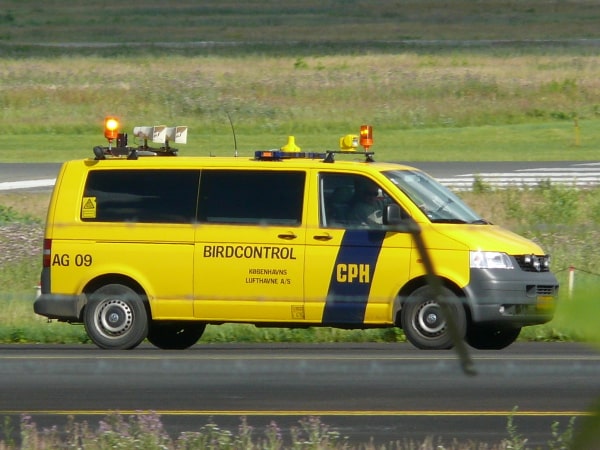
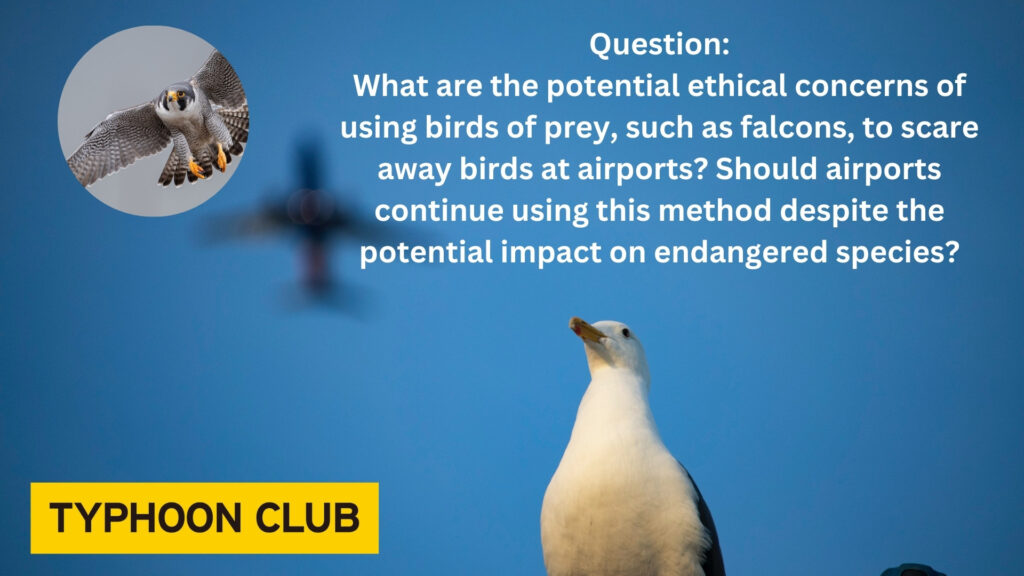
Airports have tried all kinds of ways to stop birds from flying over its runways. One method has been to play recorded sounds of birds in distress across the runway. When real birds hear this, they keep away – but not always. Some airports have used birds of prey, like falcons, to scare other birds. Falcons are an endangered species and are protected. Having them work at an airport may not be such a good idea.
Scientists at Imperial College London have been working on a different approach. They want to use drones. One or more drones controlled by a human may well scare birds away, but there will be dangers. Should a drone be able to fly close to an aircraft? A drone may scare the birds, but maybe the birds will change direction and fly directly into an aircraft engine.
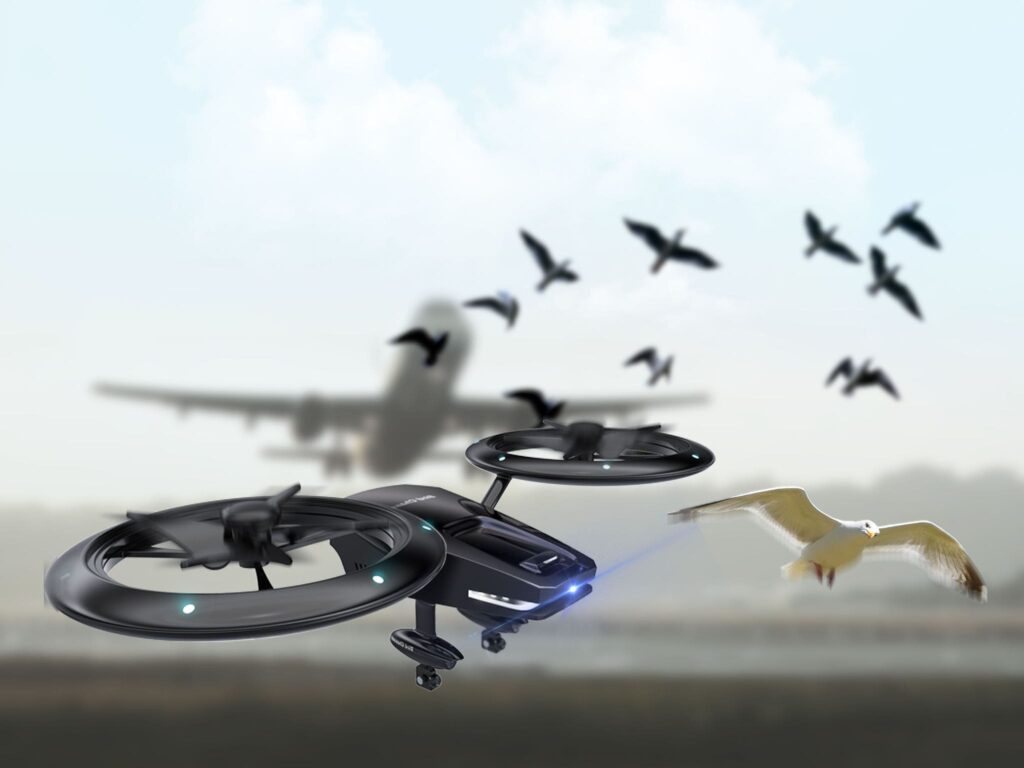
The scientists studied how the birds flocked together when they were flying. They also reviewed how these birds communicated with each other and responded to threats – like a drone flying toward them. From this information, they were able to develop an algorithm. This identified the possible flight patterns a drone should take to make sure the birds were scared away from a plane and not towards it.
Tests have been conducted in Korea and were successful. There are now plans to begin further tests with larger amounts of birds using multiple drones.
Question:
VOCABULARY
** Owing to the nature of this article, no video has been included. **