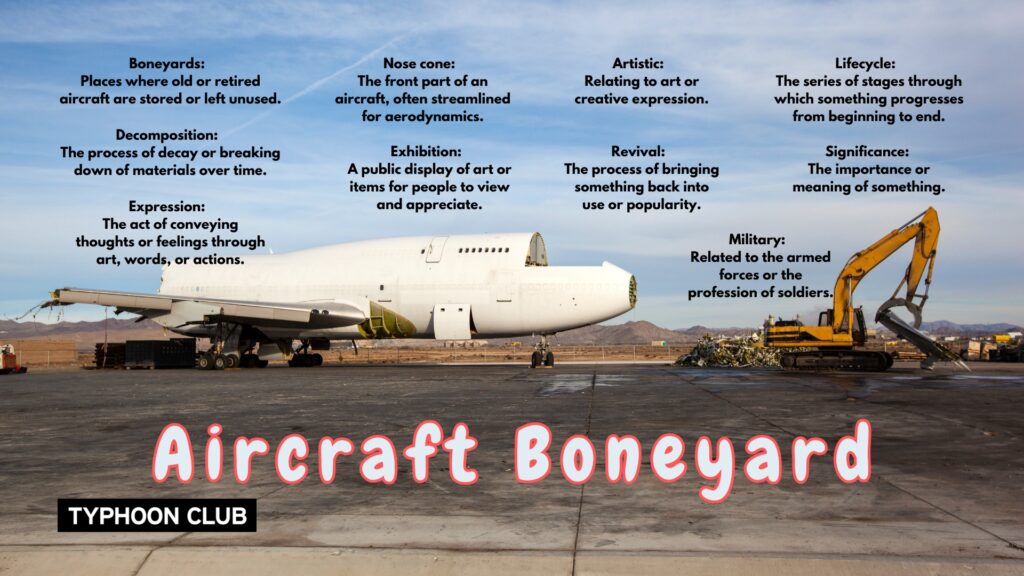

What happens to aeroplanes when they get old and nobody wants them? Many are dismantled and sold as scrap metal, while others are sent to places known as Aircraft Boneyards. These boneyards are typically located in arid deserts, where the dry climate slows down the decomposition process. In the dusty expanses of American deserts, thousands of retired planes stand idle, their stories waiting to be told.
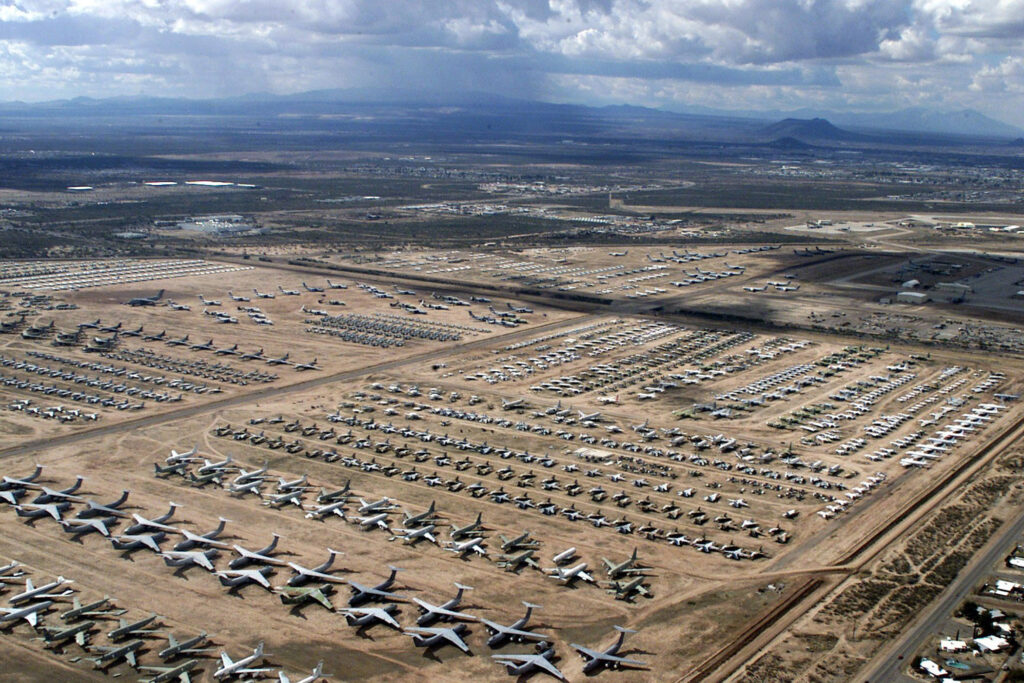
One of the most famous boneyards is the Davis-Monthan Air Force Base in Arizona, where nearly 4,000 aircraft are stored. This site is a graveyard for military planes, ranging from old fighter jets to large transport aircraft. The planes are often stripped of valuable parts before being left to the elements. However, rather than just being forgotten, these aircraft have sparked creativity and artistic expression.
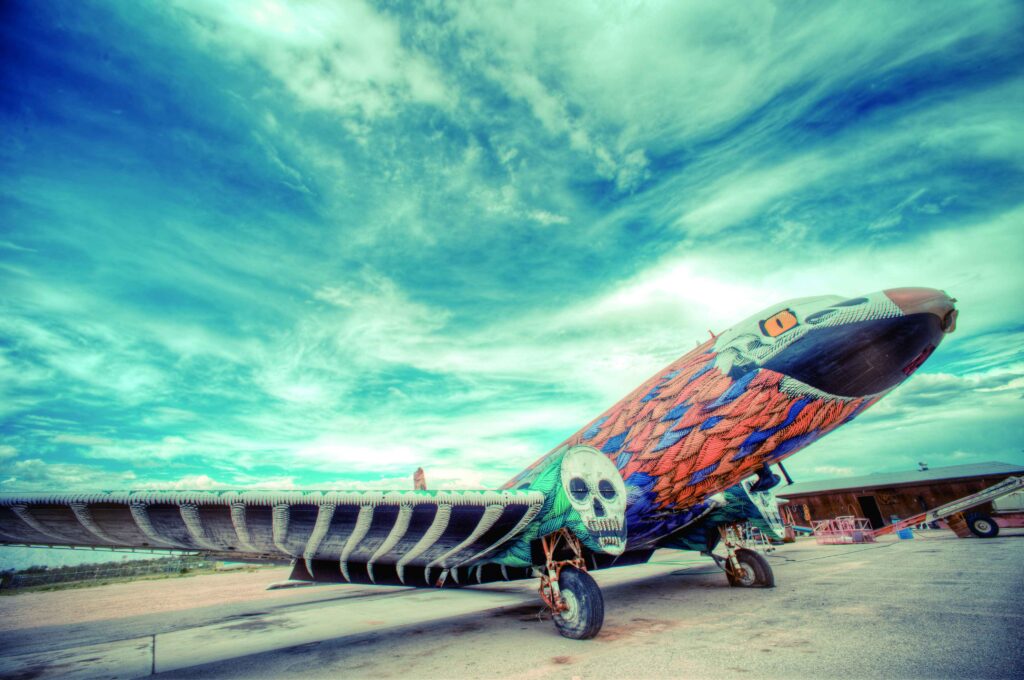
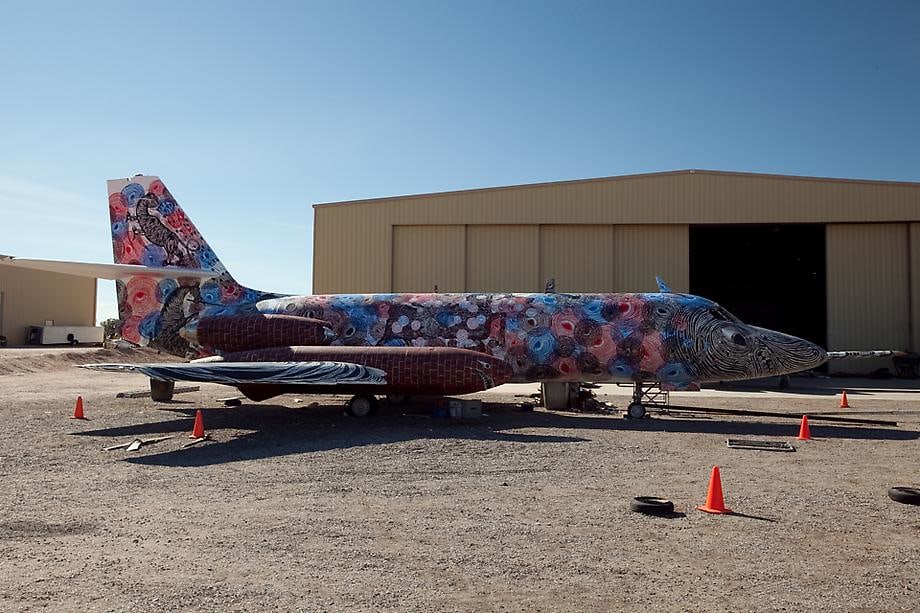
American art gallery owner, Eric Firestone, saw an opportunity to breathe new life into these old machines. He invited a number of artists to paint the nosecones of retired military planes. This initiative led to an exhibition titled ‘Nose Job,’ which showcased the artistic talents of various creators while highlighting the history of these aircraft.
Painting the front section of planes was a common practice during World War II, where they were often adorned with vibrant artwork and nose art reflective of their missions. However, this practice faded over the years, making Firestone’s project a unique revival of a lost art form.
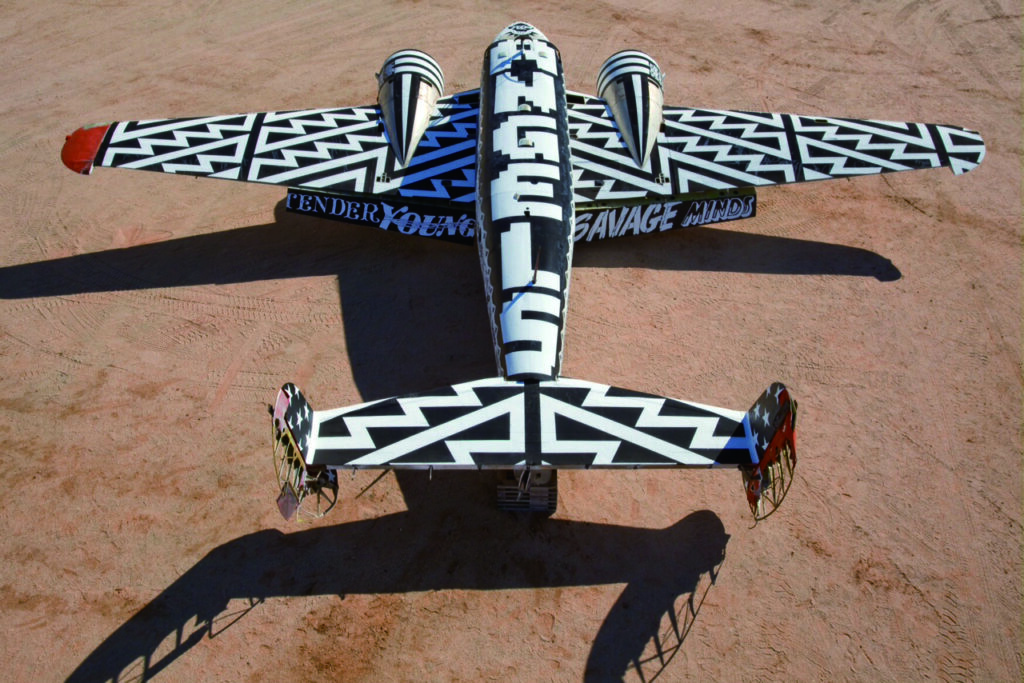
Following the success of ‘Nose Job,’ Firestone launched a second exhibition called ‘Round Trip: Art from the Boneyard Project.’ This exhibition featured aeroplanes that had been transformed by more than 30 different artists, each bringing their own style and perspective to the canvas of the aircraft. The project not only highlighted the creativity of the artists but also served as a commentary on the lifecycle of machines and their cultural significance.
Round Trip went on display at the Pima Air and Space Museum in Arizona. Visitors were invited to explore the intersection of art and aviation history. The vibrant colours and designs on these once-ignored planes created a striking contrast against the backdrop of the desert landscape. This transformation from forgotten relics to celebrated works of art served as a powerful reminder of the potential for renewal and creativity.
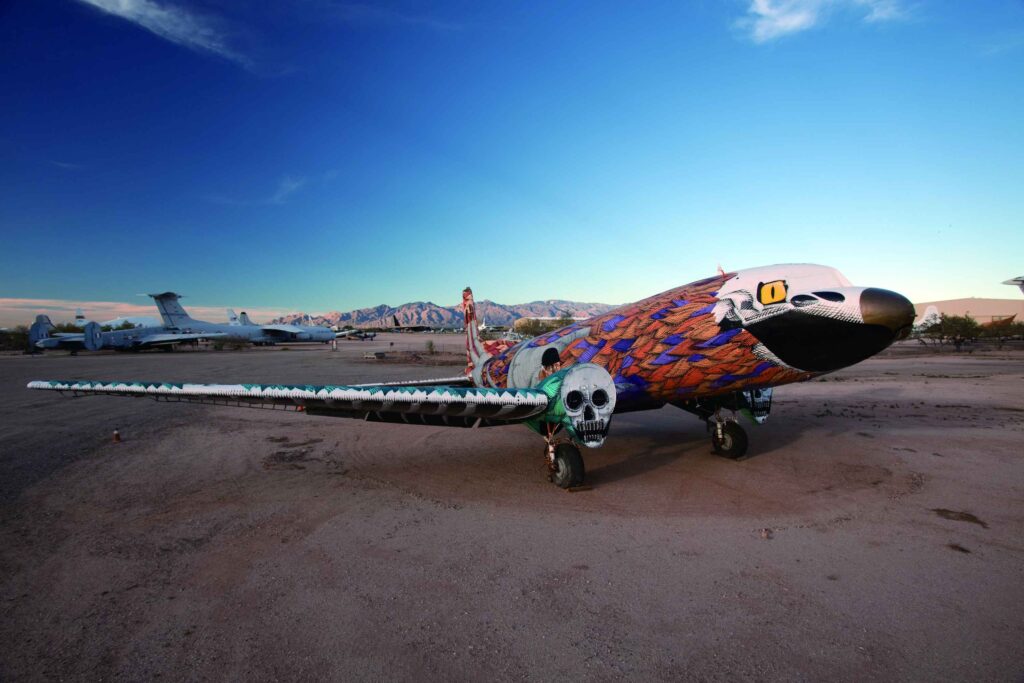
As more artists engage with these aircraft, the boneyards are evolving from mere storage sites into galleries of artistic expression, proving that even in decay, beauty can be found.
Take a look at some more aircraft art:
QUESTION:

VOCABULARY: