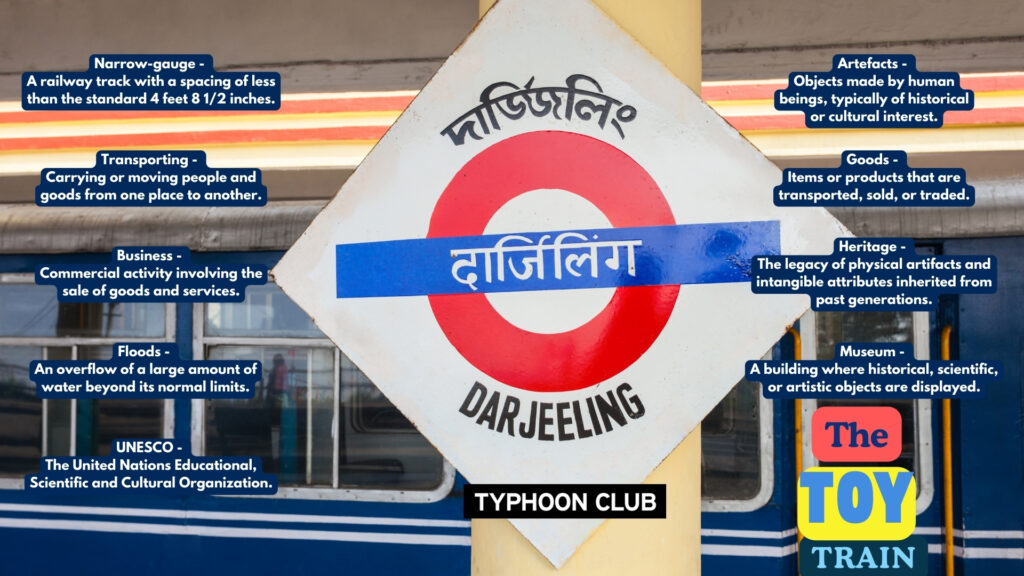

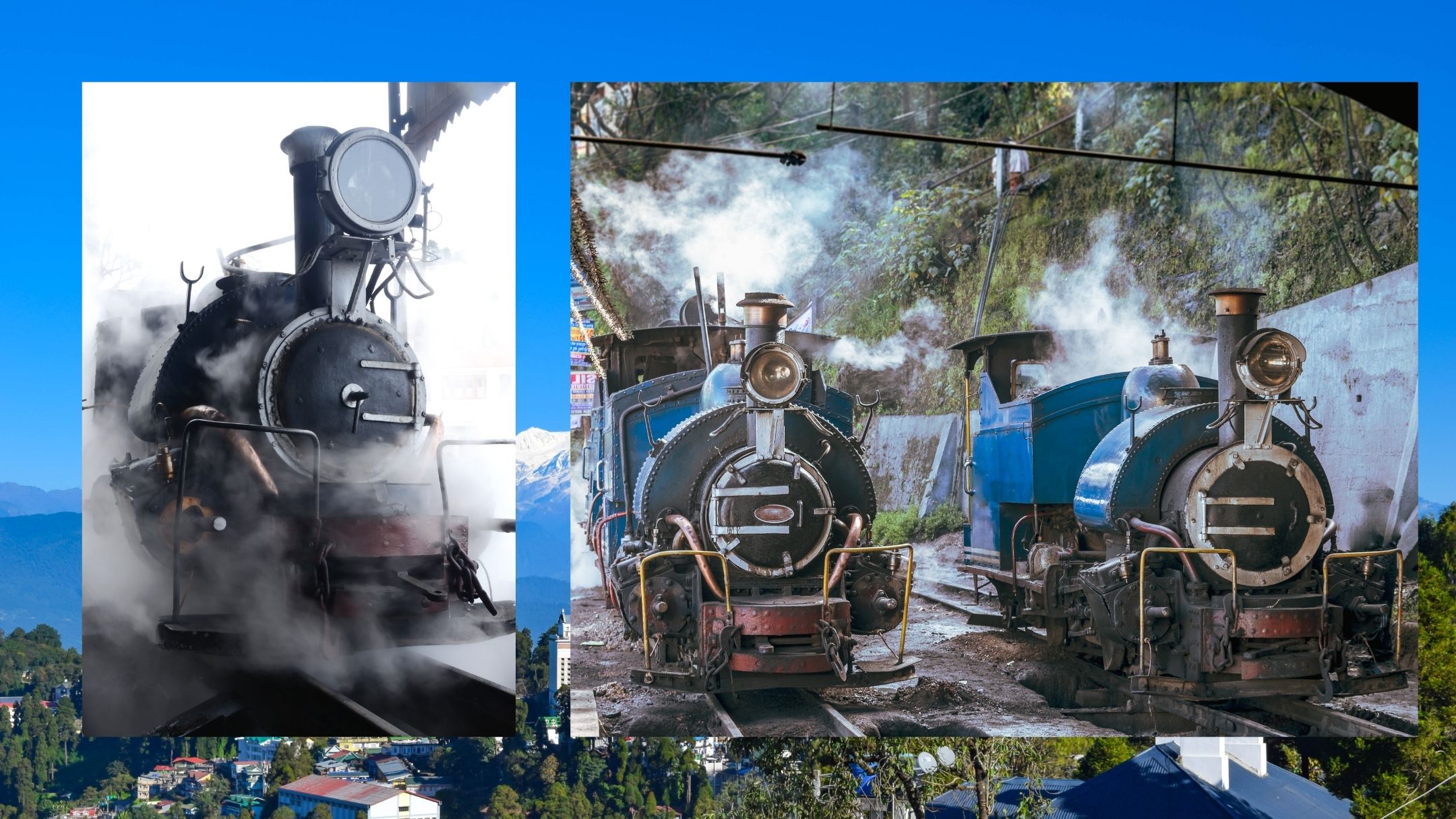
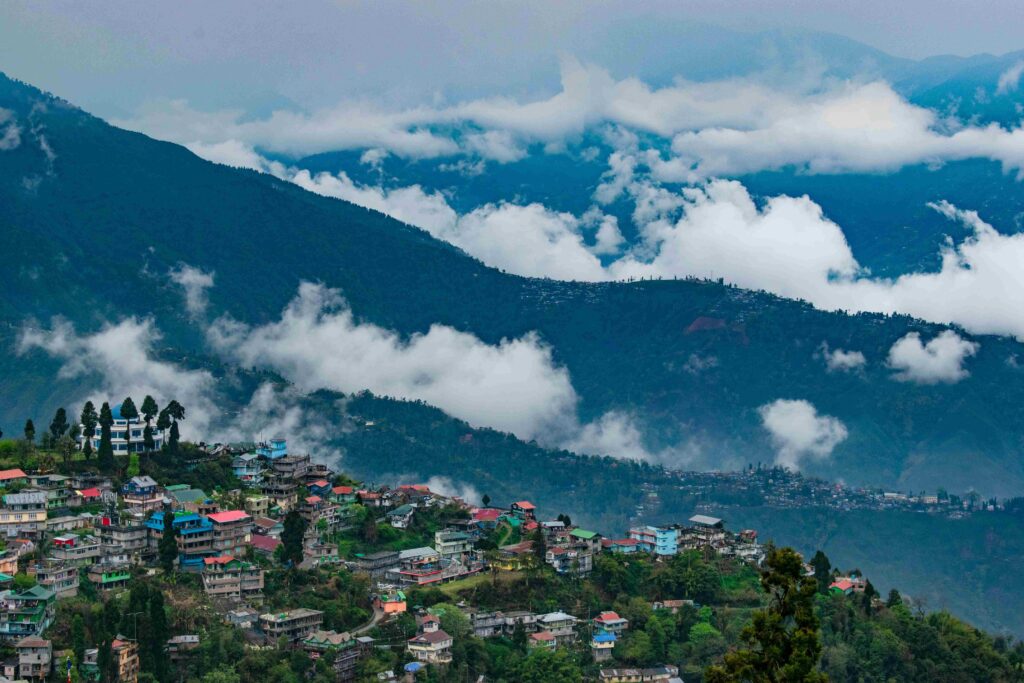
Today, we travel to the Indian state of West Bengal. There, standing 2,050 metres above sea level is the city of Darjeeling, which is famous for its tea industry. But it is not tea that we are writing about today; it’s the transport that was built nearly 150 years ago that helped deliver the people and the tea up and down the mountain range.
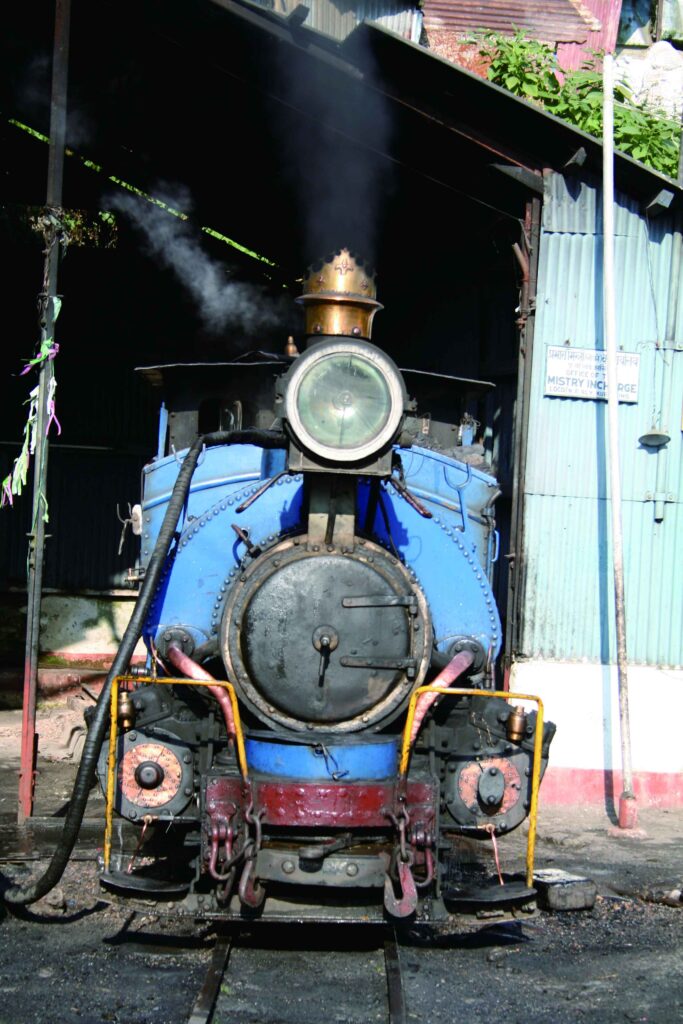
There is something very special about the Darjeeling Himalayan Railway and the steam trains that serve it. The 78-kilometre railway was built between 1879 and 1881. Unlike the trains you find in Hong Kong, the trains in Darjeeling are very small and they run on a track only 610 mm wide. Because it is so small, it is nicknamed ‘The Toy Train.’
By 1909 the Toy Train was carrying 174,000 passengers and 47,000 tons of goods every year. During World War II it played a very important role transporting soldiers and supplies to a number of military camps in the Darjeeling area.
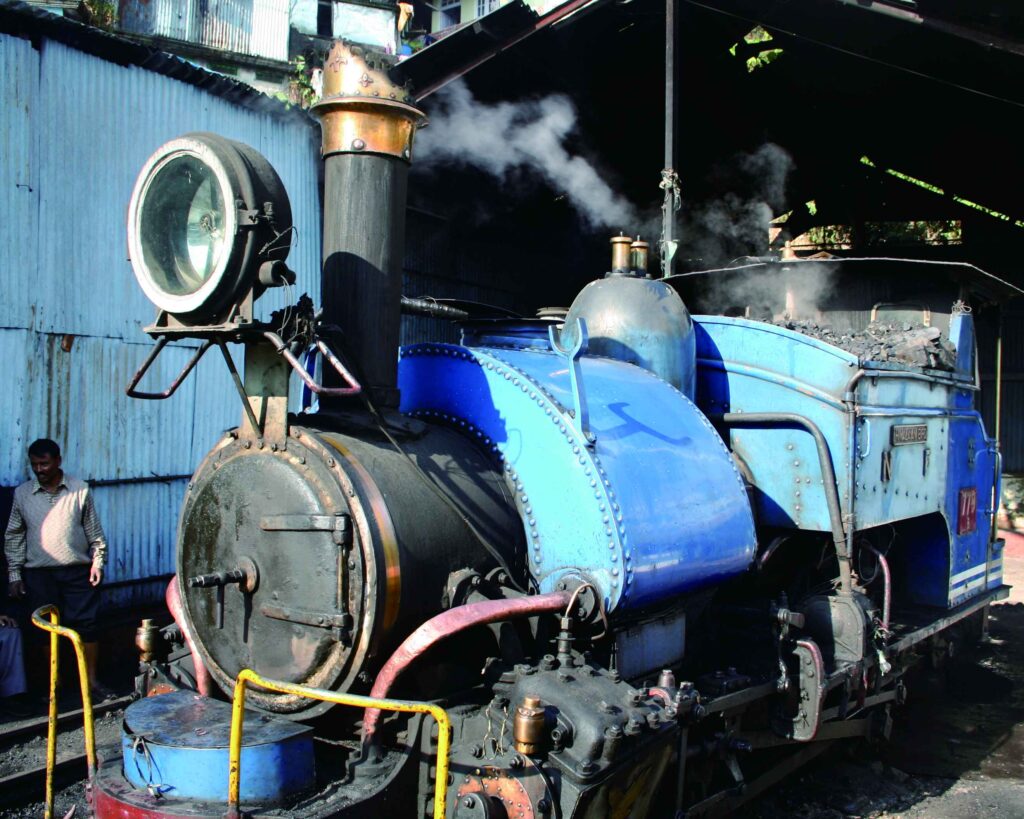
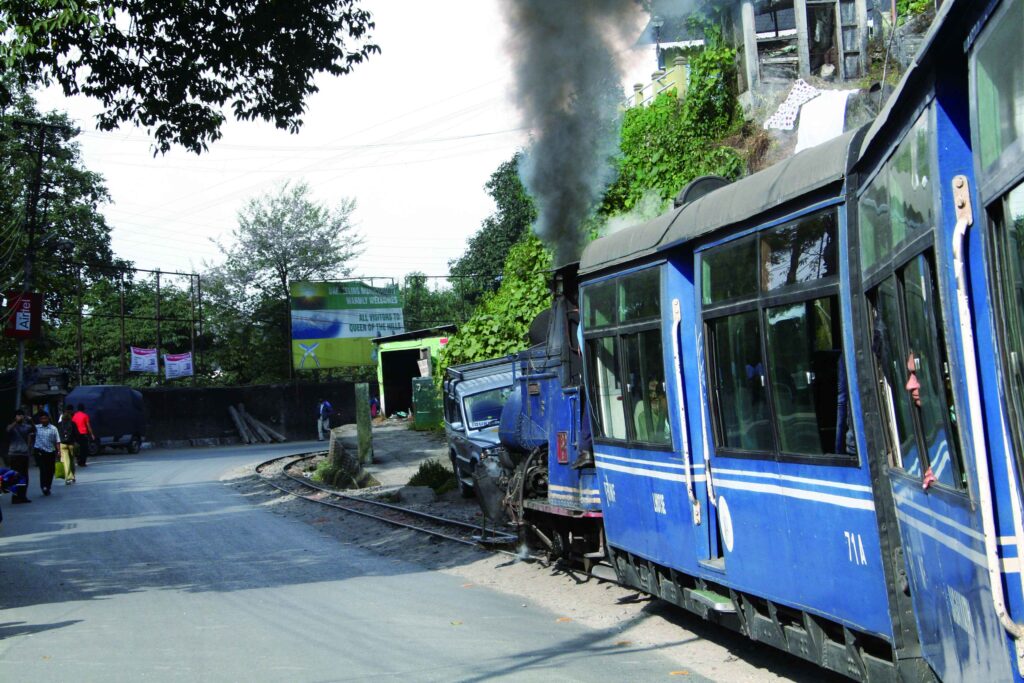
The train service began to lose business when the roads became safer and bus routes became firmly established. However, it has continued to operate on a regular basis even though the train line has often been damaged by floods and other kinds of bad weather.
In 1999 UNESCO declared the Darjeeling Himalayan Railway a World Heritage Site. It was only the second railway in the world to receive this honour. To celebrate this achievement, the Ghoom Museum was opened – Ghoom is the highest station on the railway. This tiny museum displays many artefacts and photographs from the Toy Train’s history that were collected from many local people who once worked on the railway. It may only be small, but it presents the long history of this tiny but impressive piece of transport history.
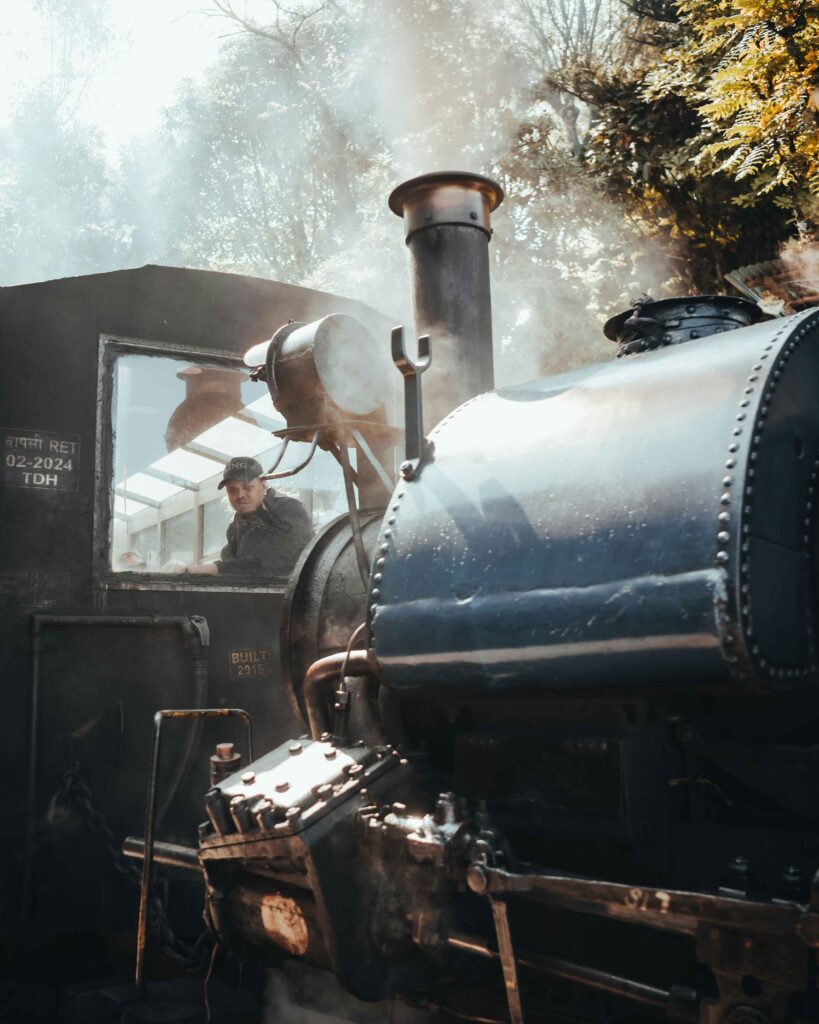
A close-up look at the Darjeeling Toy Train:
QUESTION:
VOCABULARY: