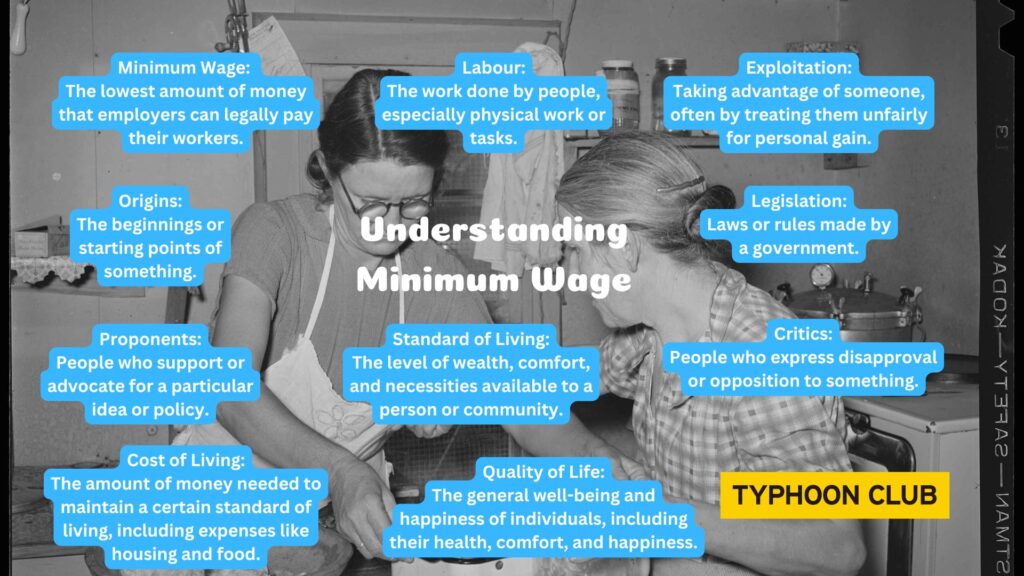

Minimum wage is a legal standard that sets the lowest amount of pay that workers can receive for their labour. It is designed to ensure that employees earn a basic, livable income, regardless of the job they do. The concept of minimum wage aims to protect workers from exploitation and to help reduce poverty.
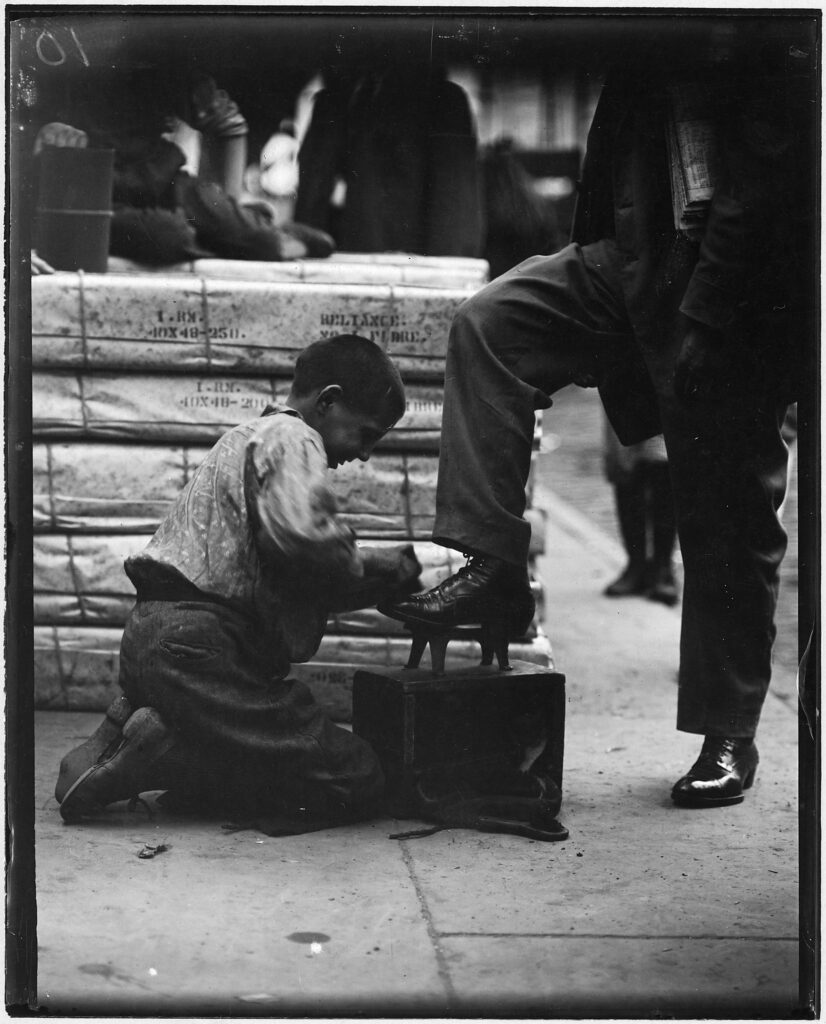
The origins of minimum wage laws can be traced back to the early 20th century. New Zealand was the first country to introduce a minimum wage in 1894, followed by Australia. These laws were created in response to the harsh working conditions and low pay that many workers faced during the industrial revolution. Over time, various countries adopted minimum wage laws to promote fair pay and improve living standards for their citizens.
Today, many countries around the world have implemented minimum wage laws, but the amounts and regulations vary significantly. For example, in the United States, the federal minimum wage was established in 1938 at $0.25 per hour. Over the years, it has increased, with the current federal minimum wage set at $7.25 per hour. However, many states and cities have established their own higher minimum wages to better reflect the cost of living in their areas. For instance, in San Francisco, the minimum wage is now $16.32 per hour, helping workers keep up with the high cost of living in the city.
In the United Kingdom, the minimum wage was introduced in 1999, and it is known as the National Living Wage for workers aged 23 and over. As of April 2021, this rate is £8.91 per hour. The UK government reviews the minimum wage annually to ensure it remains fair and relevant to the economy.
The effectiveness of minimum wage laws in helping people in low-paying jobs is a topic of ongoing debate. Proponents argue that these laws provide workers with a better quality of life, reducing poverty and stimulating the economy as people have more money to spend. Critics, however, claim that raising the minimum wage can lead to job losses, as some businesses may struggle to pay higher wages.

Examples from around the world illustrate both perspectives. In Australia, where the minimum wage is one of the highest globally, workers enjoy a relatively high standard of living. Conversely, in countries with no minimum wage laws, such as Bangladesh, many workers in the garment industry face extremely low pay and poor working conditions.

Minimum wage laws play a crucial role in shaping the lives of workers worldwide. While they help many achieve a more stable income, the ongoing discussions about their impact highlight the complexities of balancing fair pay with economic realities.
Here’s a more detailed explanation of the Minimum Wage from Time Magazine:
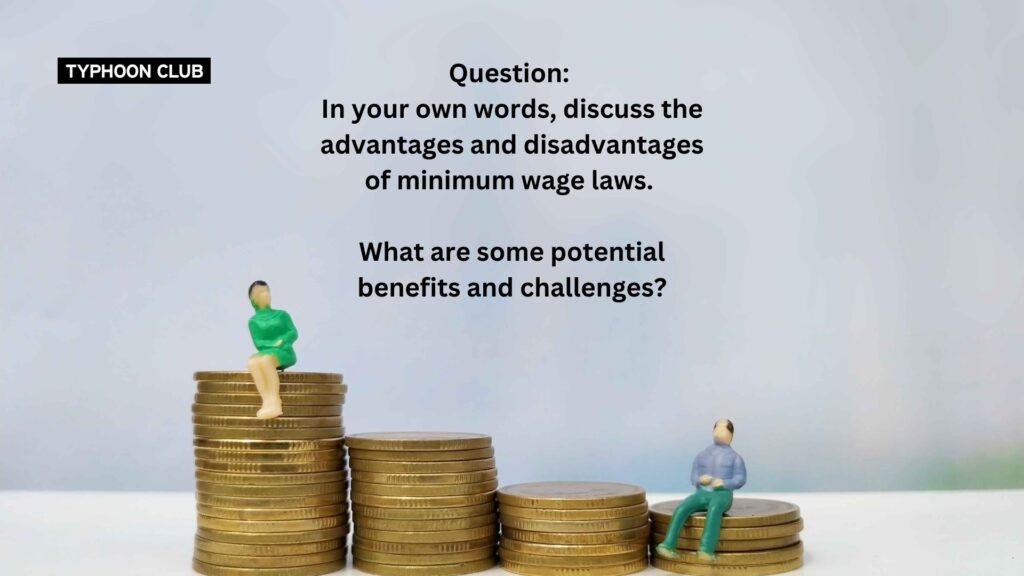
QUESTION:
VOCABULARY: