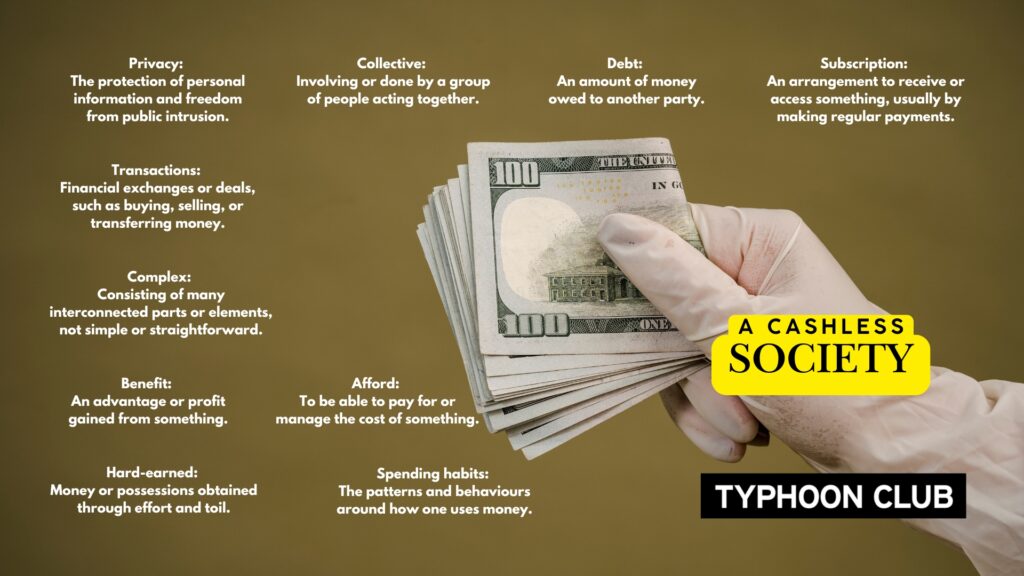

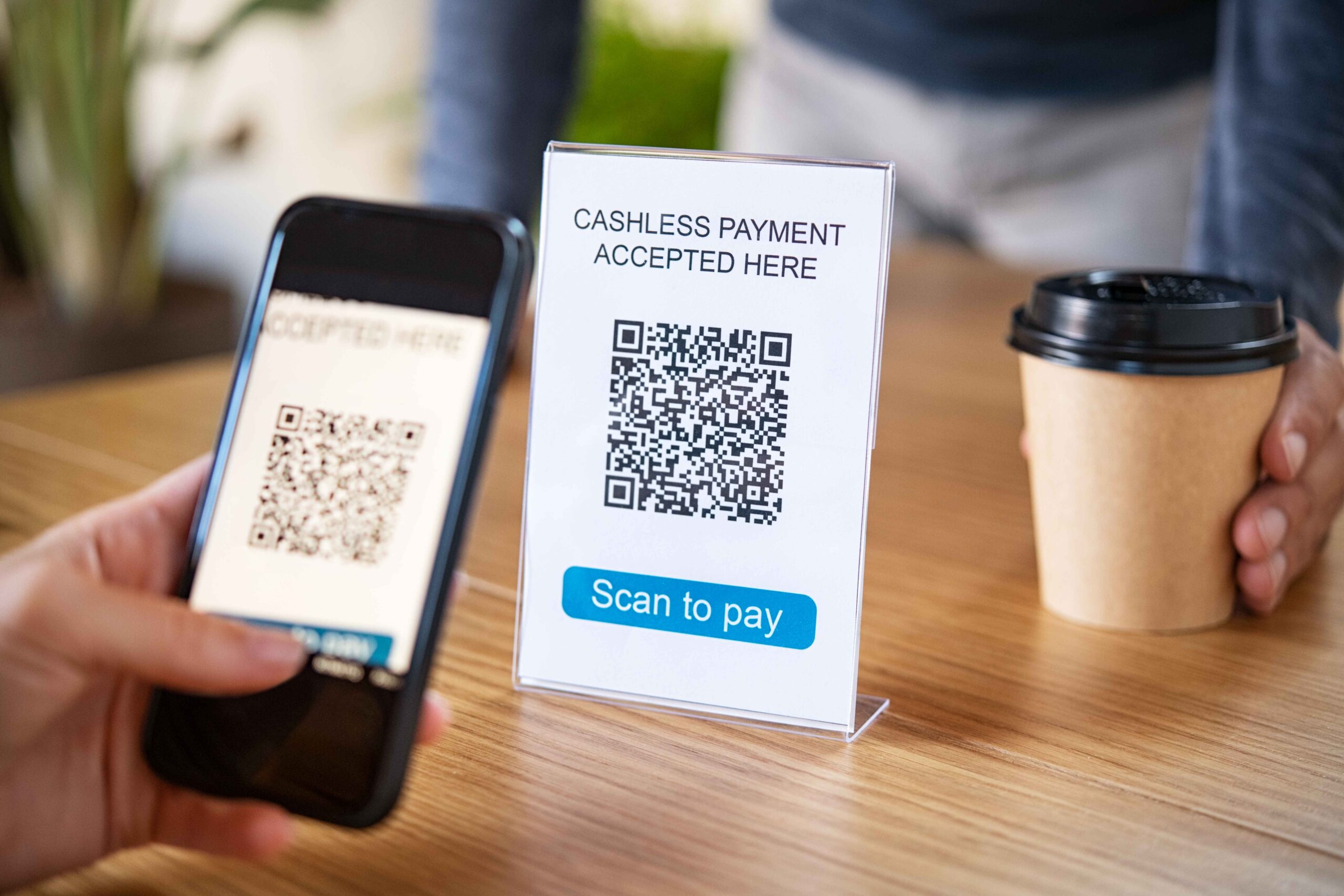
There was a collective sigh of relief throughout Hong Kong in September 1997 when the Octopus Card was introduced. Finally, it was no longer necessary to make sure you had the correct amount of coins and banknotes in your pocket as you headed towards the MTR. Now, with a simple swipe, your bus, tram, MTR or ferry fare was paid.

The use of a pre-paid card made our lives more convenient. It also made us more aware of how modern technology could improve payment systems, making day-to-day transactions less complex. The rapid development of modern technology made everything so much simpler. All we had to do was to overcome our fear of using our personal payment cards over the Internet.
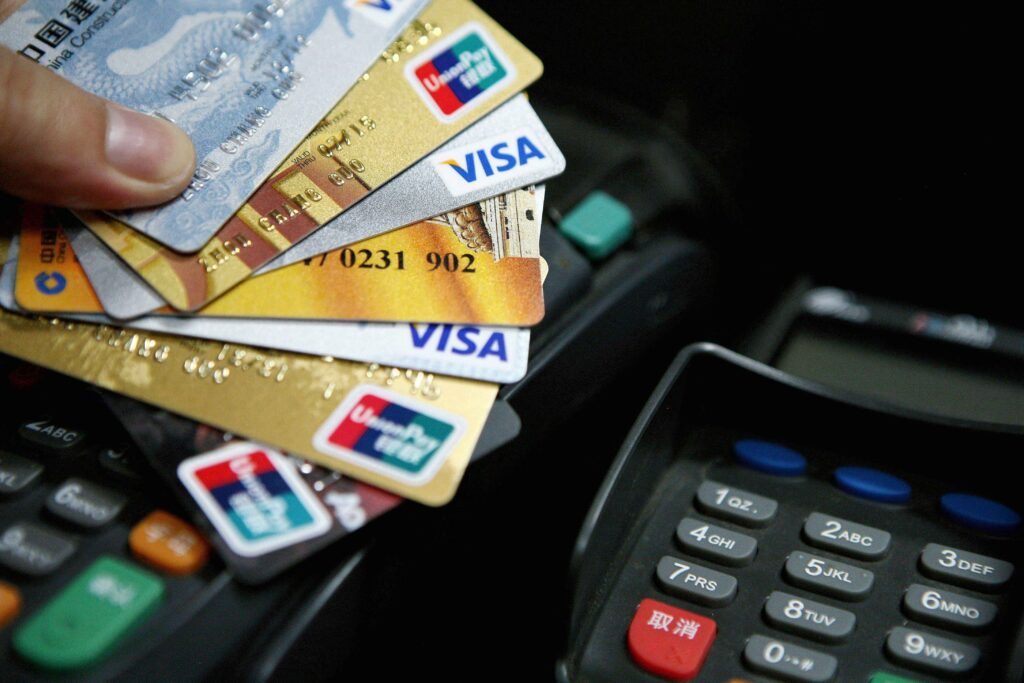
There are reports, however, that people are much happier spending money using a card rather than handing over their hard-earned cash. This is resulting in them spending money they cannot afford. What does this lead to? It leads to debt.
There are also concerns about privacy. Think about this: each time you make an electronic payment, you make a statement about yourself. Whatever the payment may be, it slowly paints a picture of what kind of person you are. Do you use public transport, or drive a car? Do you have a gym subscription, or sit on the sofa watching pay TV? It may seem unimportant, but within this digital age, the information has exceptional value. Your digital spending habits could mean you are never able to buy health insurance, or a future employer may want to think twice before offering you a job.
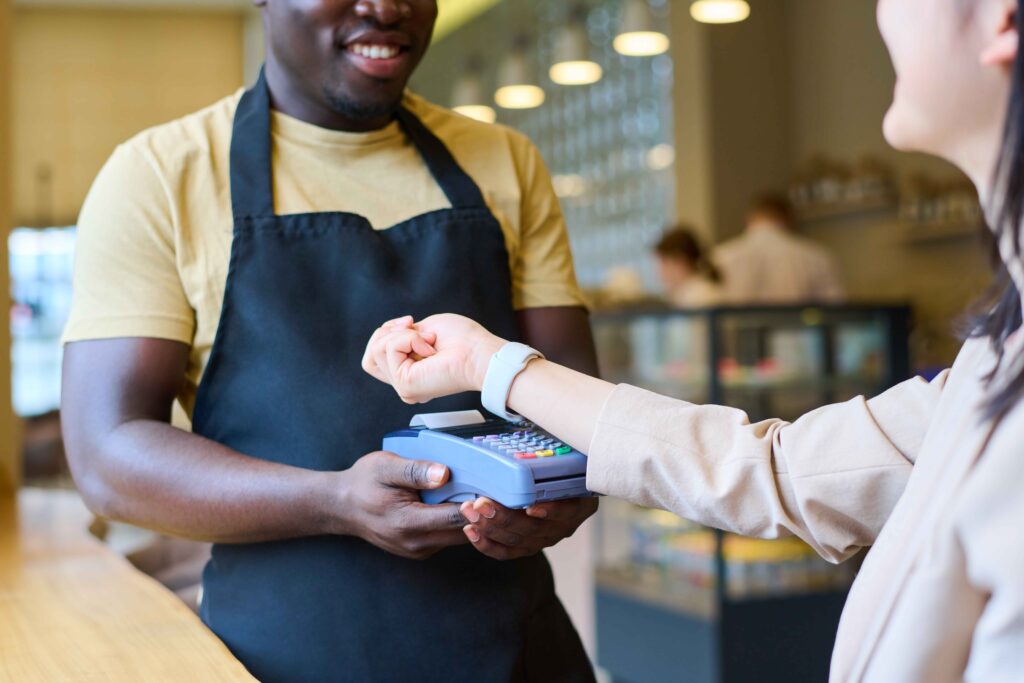
So, whatever the convenience, there may be a big downside. However, many countries continue to lead the way towards that cashless society. In Sweden, less than one per cent of the country’s transactions are conducted with cash. China has seen rapid growth in cashless transactions, driven by platforms like Alipay and WeChat Pay. Digital currencies are now in use in the Bahamas and Nigeria. Has Hong Kong gone far enough in creating a cashless society?
Australia is set to become a cashless society by the year 2030. What do people think?
QUESTION:
VOCABULARY: