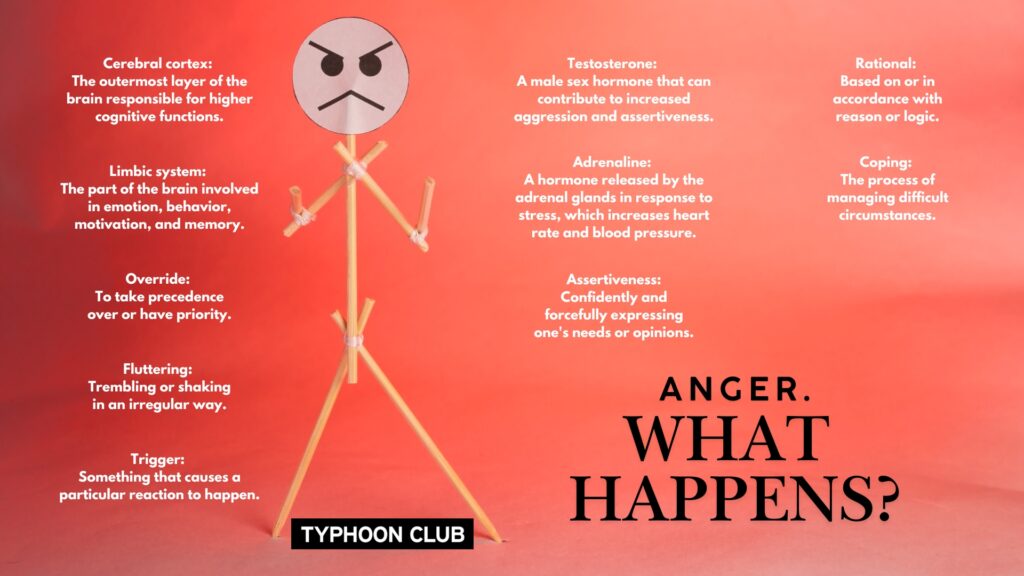


Have you ever wondered what happens inside your brain when you get angry? It’s a fascinating process that involves two key areas of the brain.
First, there’s the cerebral cortex – the “thinking” part of the brain. Then, there’s the limbic system, which manages our emotions. Nestled within the limbic system is the amygdala, an almond-shaped structure that stores both good and bad memories.
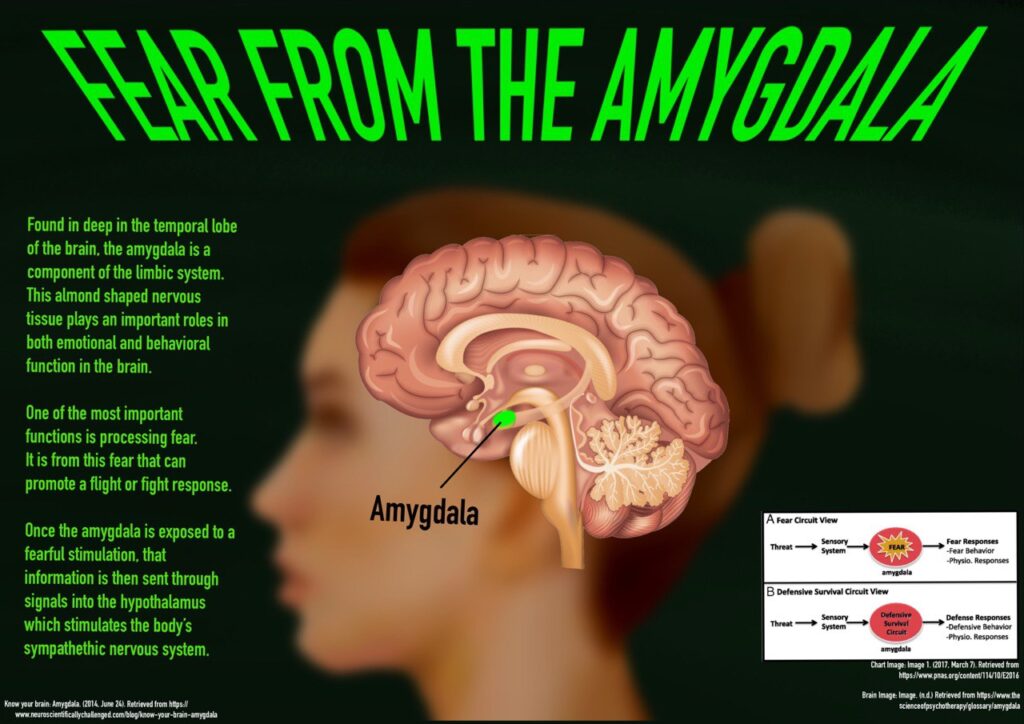
When something triggers your anger, the information reaches the amygdala. Unlike the logical cortex, the amygdala doesn’t think – it simply dictates how your body should react. And in the case of anger, the amygdala can override the cortex, preventing you from thinking rationally about the situation.
So, what happens next? Your body springs into action. Adrenaline rushes through your system, increasing your heart rate and causing a fluttering feeling in your chest. Your hands may start to shake, and you might feel more aggressive as your body produces more testosterone.
Your face turns red, and blood flows faster to your brain and muscles, making you more alert. Your brain also causes you to speak faster and louder, and the nerves in your face may twitch, sending a clear message to those around you: “I’m angry!”

Now, you might think the classic advice of “counting to ten” would help, but it’s actually not that effective. It can take most people at least 20 minutes for the brain to stop reacting to the trigger that caused the anger in the first place.
Experts suggest a better approach is to find a quiet place to calm down or go for a walk. This allows your brain to regain control and your body to return to a more relaxed state.


The key to managing anger is to understand what triggers it in the first place. Once you know your personal anger triggers, you can work on avoiding or addressing them before they escalate. This can help you steer clear of those nasty angry outbursts and keep your cool.
So, the next time you feel that familiar surge of anger, take a moment to recognize what’s happening in your brain and body. With a little self-awareness and the right coping strategies, you can learn to harness your anger and use it in a positive way.
Want to know more about why we get angry? This may be helpful:
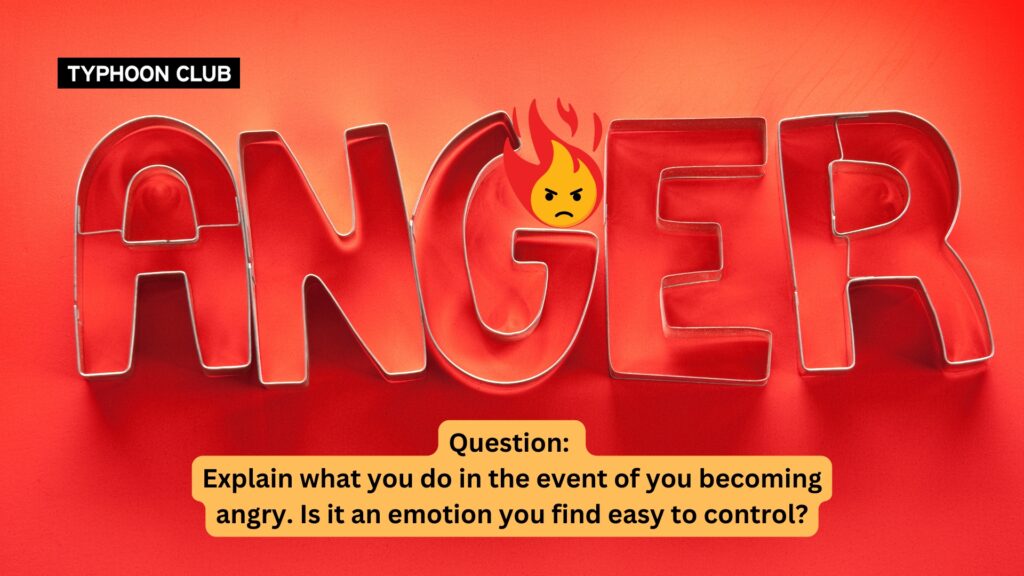
QUESTION:
VOCABULARY: