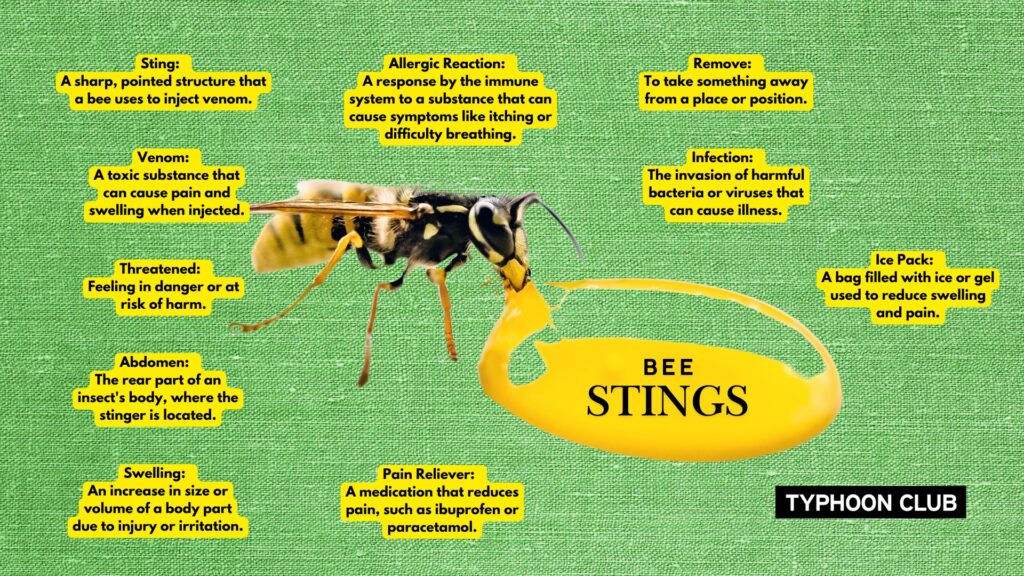

Bees are fascinating insects known for their important role in pollination and honey production. However, they can also sting when they feel threatened. Understanding how and why bees sting can help us appreciate these creatures more.
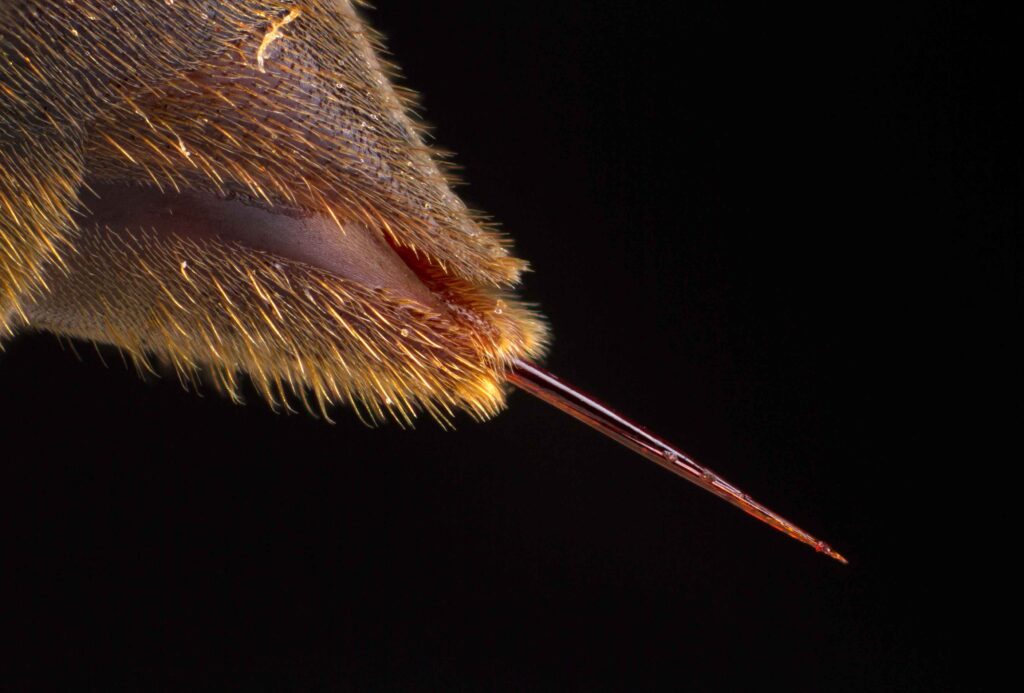
When a bee stings, it uses its stinger, which is a sharp, pointed structure located at the end of its abdomen. The stinger (left) is connected to a venom sac that holds a toxic substance. When a bee feels threatened, it will often try to warn the intruder by buzzing or flying around. If this does not work and the bee feels cornered, it will sting as a last resort.
The sting serves two main purposes. First, it protects the bee and its hive from potential threats, such as predators or people. Second, the venom from the sting can deter attackers and cause pain, which may make them think twice about approaching again. The venom contains a mix of chemicals that can cause pain, swelling, and irritation in humans and animals.
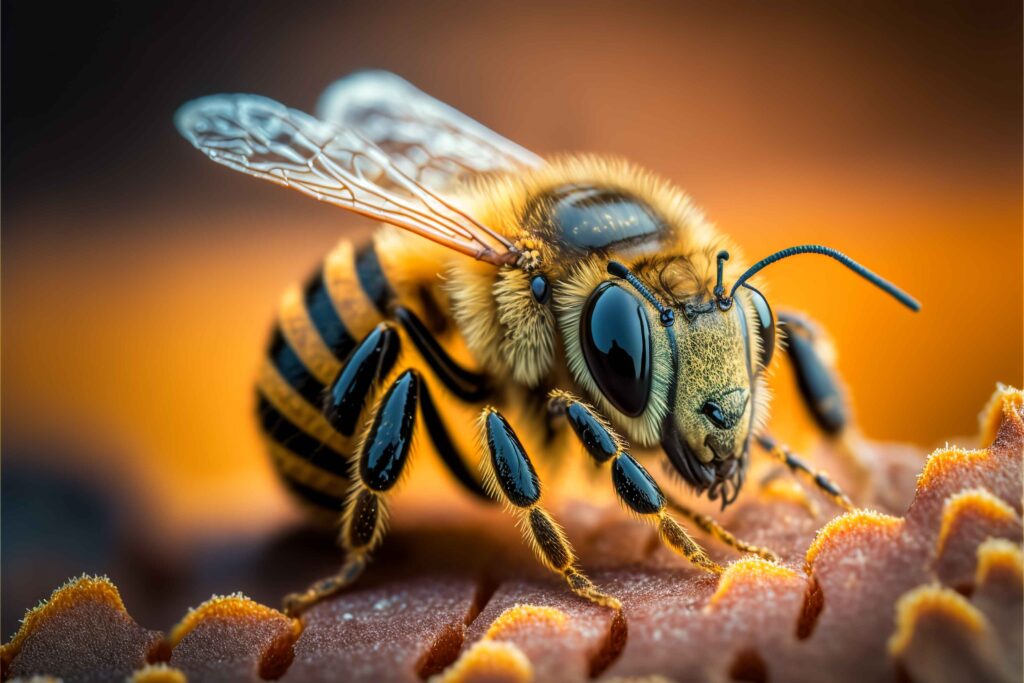
One common belief is that a bee will die after it stings. This is true for honeybees (left). When a honeybee stings a person or animal, its stinger can become lodged in the skin. As the bee pulls away, it leaves behind not just the stinger but also part of its abdomen, which leads to its death shortly after. This is a significant sacrifice for the bee, as it only stings when it feels truly threatened.
In the United States, it is estimated that around two million people get stung by bees each year. While most bee stings are not serious, some people may have allergic reactions that require medical attention.
If you get stung by a bee, here are some steps to follow:
- Stay Calm: Try not to panic, as this can increase your heart rate and swelling.
- Remove the Stinger: If the stinger is still in your skin, gently scrape it out with a flat object like a credit card. Avoid pinching it, as this can release more venom.
- Clean the Area: Wash the sting site with soap and water to prevent infection.
- Apply Ice: Use an ice pack wrapped in cloth to reduce swelling and relieve pain.
- Take Pain Relief: Over the counter pain relievers from the chemist can help ease discomfort.
- Watch for Allergic Reactions: If you experience difficulty breathing, swelling of the face or throat, or a rapid heartbeat, seek medical help immediately.
Understanding these steps can help you respond effectively if you ever get stung by a bee.
How do other people treat bee stings? You may not want to follow all their advice!
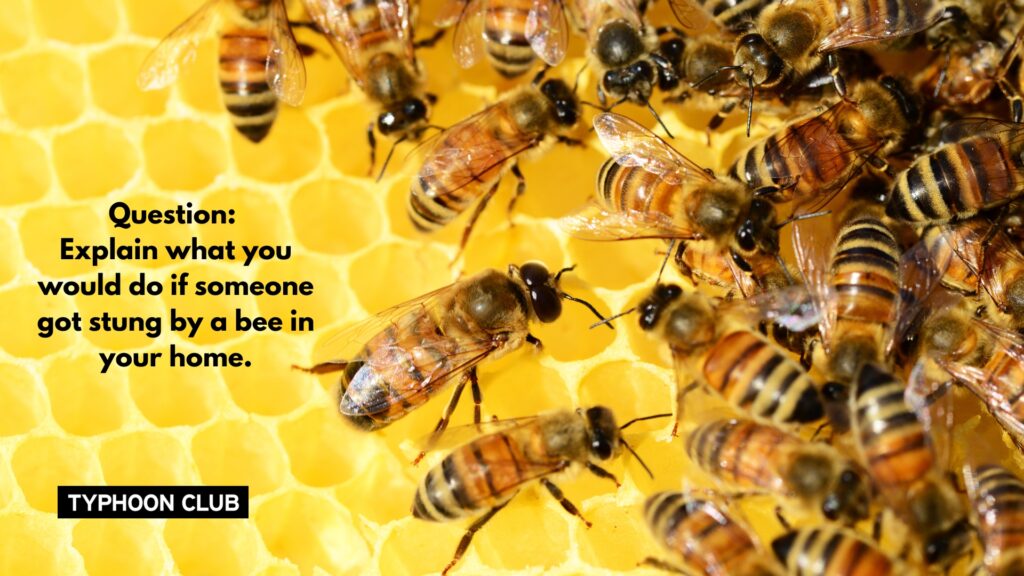
QUESTION:
VOCABULARY: