


In the summer of 2024, the world tuned in to watch a brand-new sport make its Olympic debut: break dancing. This dynamic and acrobatic style of street dance, which first emerged in the 1970s in the Bronx, New York, has finally reached the pinnacle of athletic competition.
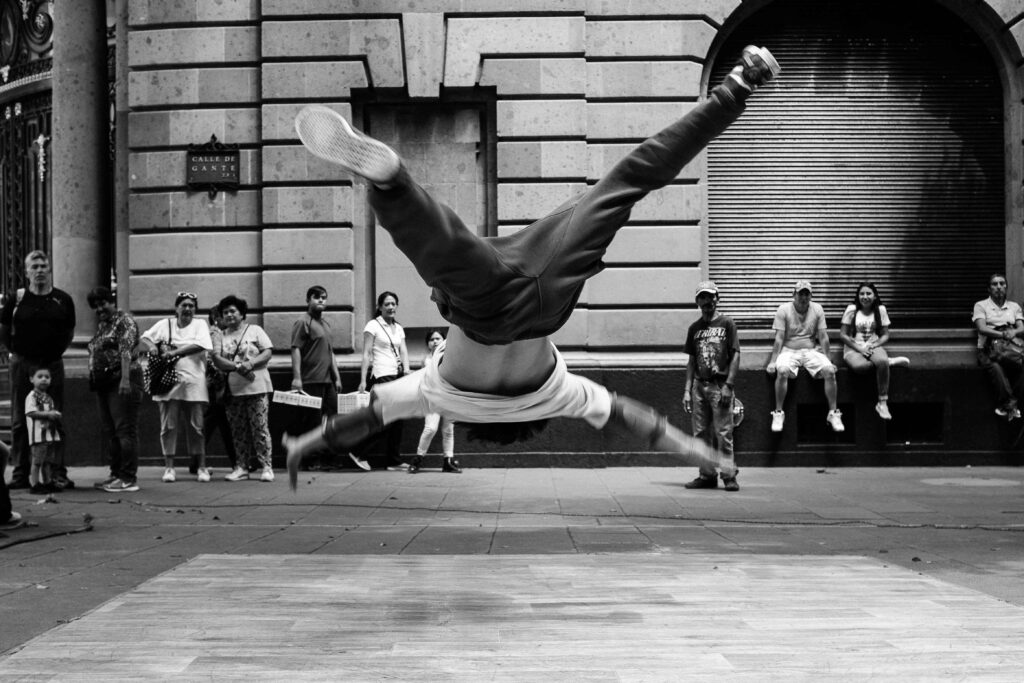
The roots of break dancing can be traced back to the block parties of the South Bronx, where DJs would isolate the instrumental “breaks” in funk and hip-hop songs, allowing dancers to showcase their skills. These dancers, known as “b-boys” and “b-girls,” would perform gravity-defying moves like spins, freezes, and power moves, often competing against each other in organized “battles.”
Over the decades, break dancing has evolved and spread around the world, developing distinct regional styles. From the powerful, explosive moves of the New York schools to the more fluid, elegant routines of South Korea, break dancing has become a global phenomenon.
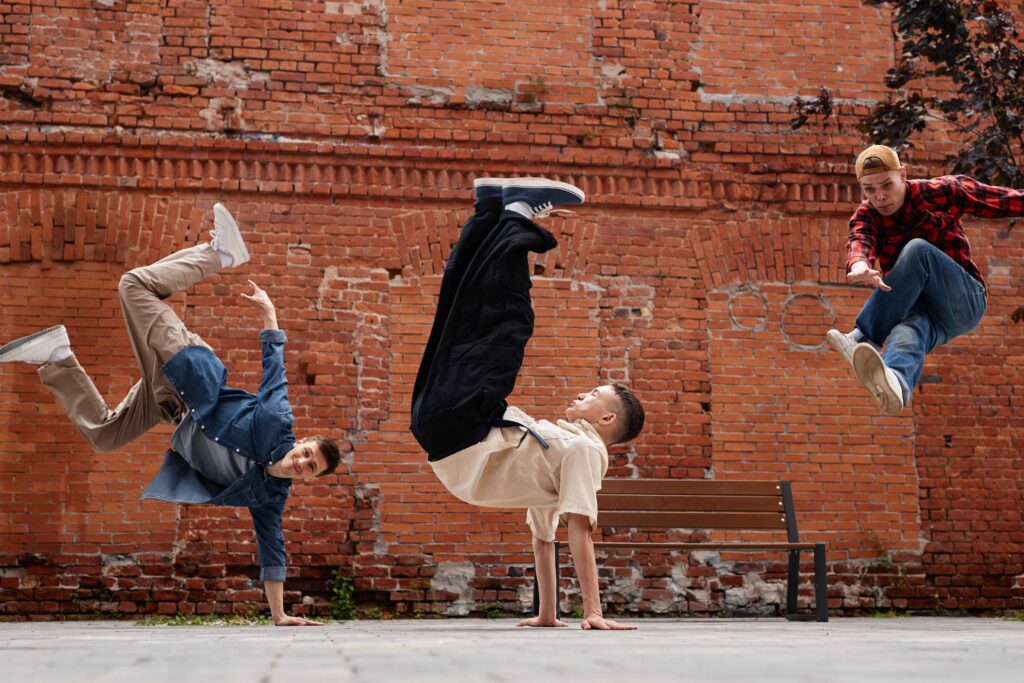
It was this international appeal and the sport’s growing popularity that led the International Olympic Committee to include break dancing in the 2024 Paris Olympics. After successful demonstrations at the 2018 and 2022 Youth Olympic Games, the IOC recognized break dancing as a exciting new addition that would attract younger audiences to the Olympic Games.
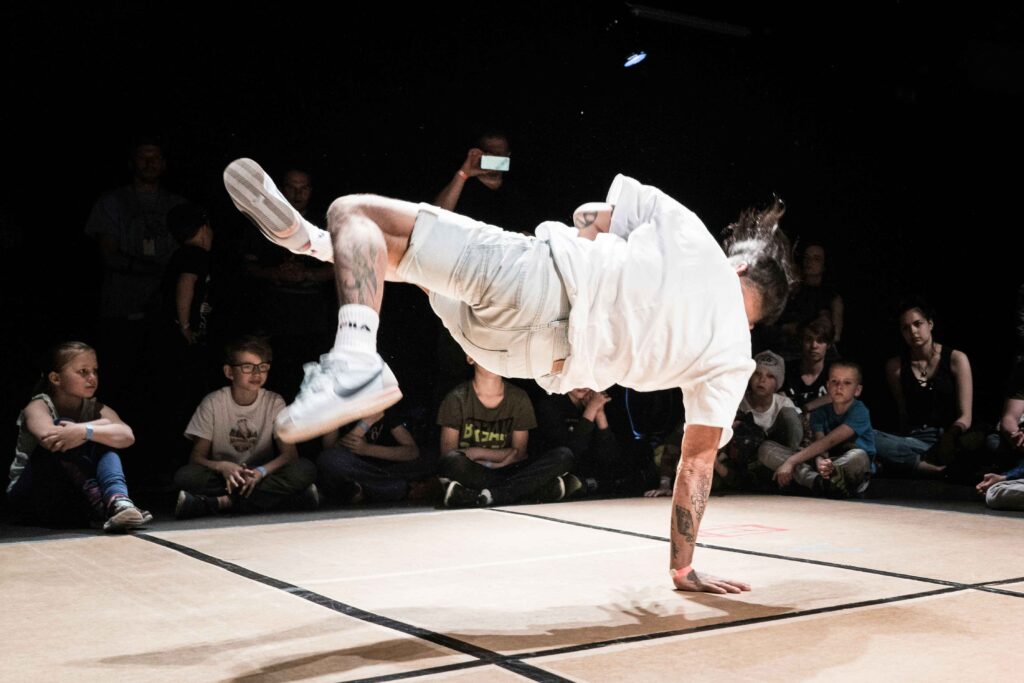
The break dancing competition at the 2024 Olympics featured both individual and team events, with dancers battling head-to-head and showing off their most impressive tricks and routines. Judges evaluated the athletes on factors like technical difficulty, creativity, and overall performance. Gold medal winners included Canada’s Phil Wizard, and Liu Qingyi from China.
Leading up to the Olympics, break dancing has seen a surge in mainstream attention and recognition as a legitimate athletic pursuit. National break dancing federations have been established around the world, organizing qualifying events and training the next generation of Olympians.
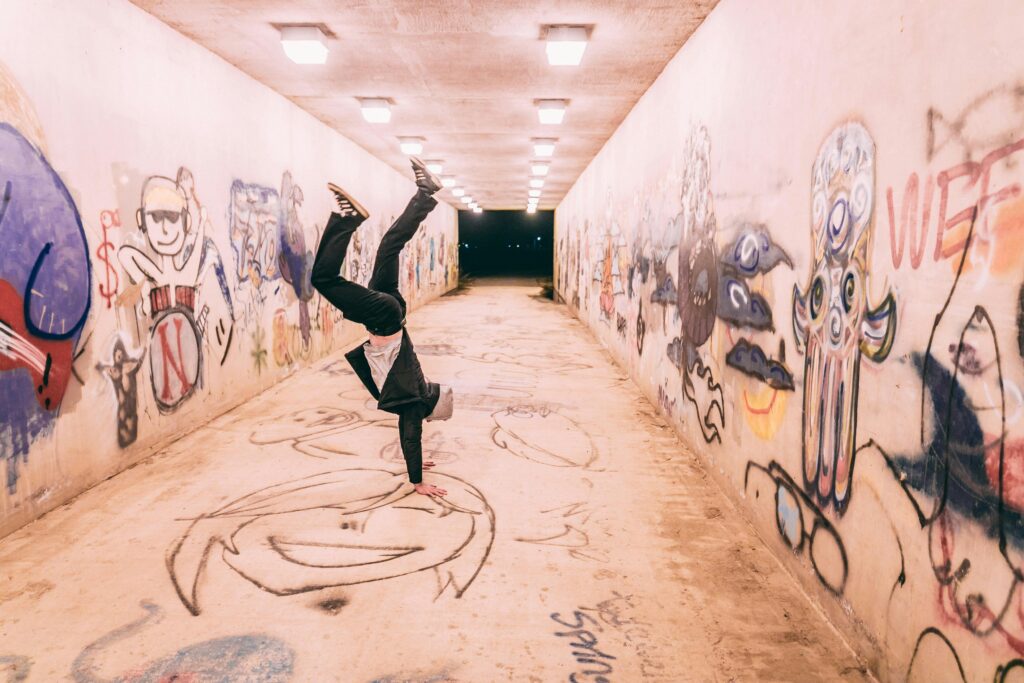
Stars of the break dancing world, like South Korea’s Bumblebee and France’s Mounir, have become household names, inspiring young people to take up the sport. Professional break dancing leagues, with lucrative prize money, have also sprung up, further elevating the status of the activity.
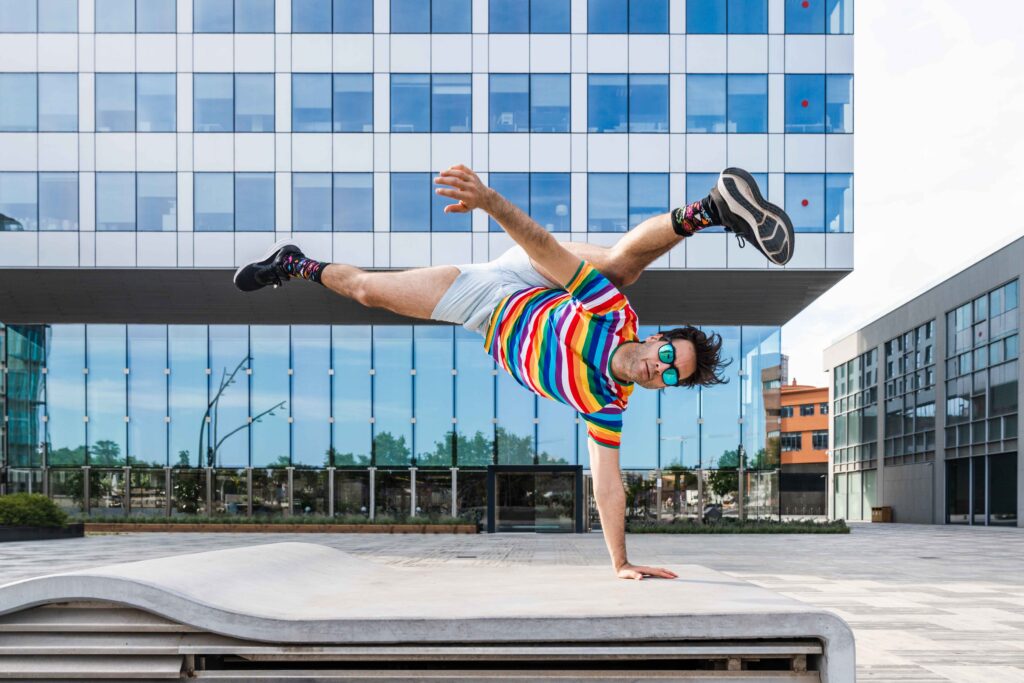

With break dancing’s inclusion in the 2024 Olympics, a new era has dawned for this dynamic, high-energy style of dance. It’s a milestone moment for a dance form that started on the streets and is now ready to conquer the world’s biggest sporting stage.
Not everyone shone so brightly in Olympic Breakdancing in Paris, 2024:
QUESTION:

VOCABULARY: