“No good movie is long enough, and no bad movie is short enough.” Roger Ebert, American Film Critic
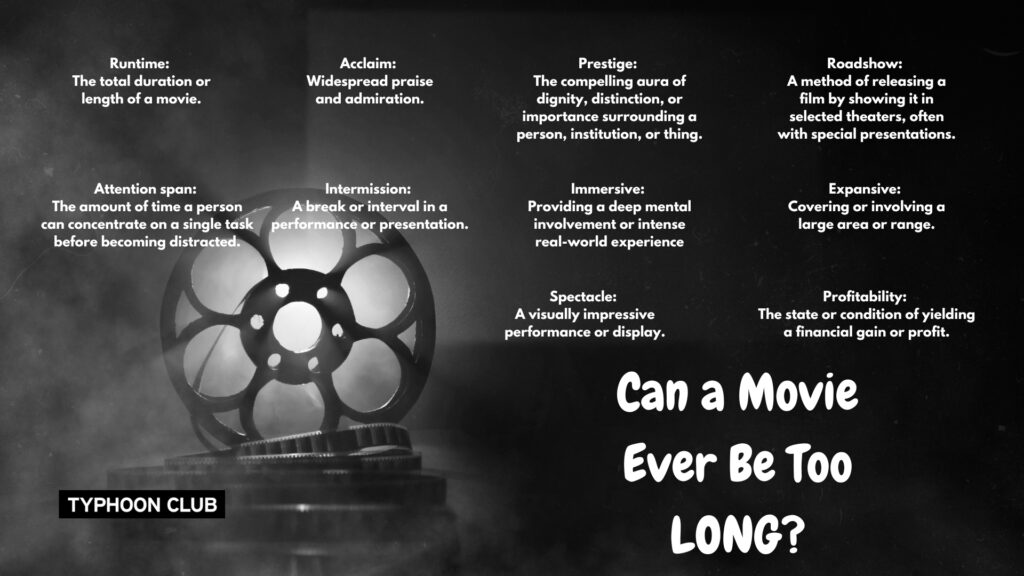
The length of movies has been a topic of debate for decades, with some arguing that longer runtimes equate to a more immersive, satisfying cinematic experience, while others contend that attention spans simply can’t handle anything too lengthy.

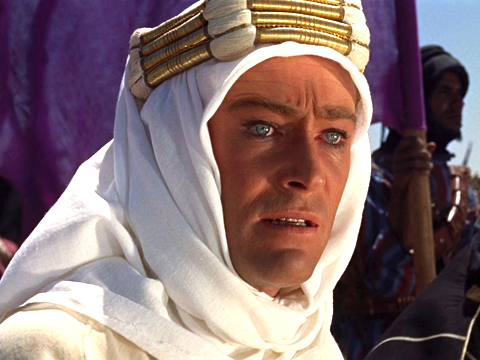
A quick look at the data reveals a clear trend: the average runtime of the top 50 films has steadily increased over the years, from just 96 minutes in the 1930s to a whopping 129 minutes in the 2000s. Some of the most acclaimed movies of the past half-century, such as Titanic (194 minutes), Avatar (162 minutes), and the epic Lawrence of Arabia (224 minutes) (left), have all pushed the boundaries of traditional movie lengths.
So, what’s behind this shift towards longer films? One explanation is the rise of the “movie as event” mentality, where lengthy runtimes are seen as a mark of grandeur and prestige. Historically, such “roadshow” presentations, complete with intermissions, were reserved for the biggest cinematic spectacles. While this model has largely fallen by the wayside, the notion of a movie as an immersive, almost theatrical experience has persisted.
Additionally, the increasing competition from long-form television series, which can effectively provide a 10-hour “movie” experience, has led some filmmakers to believe that audiences crave a more expansive cinematic journey. As one industry expert notes, “Some people also think that a long movie is more like an epic and provides an audience with greater satisfaction.”

However, the realities of the modern cinema business present a counterargument. Cinemas, whose primary objective is to maximise profitability, generally prefer shorter films that can be screened more times per day, generating more ticket sales. This tension between artistic vision and commercial practicality is an ongoing challenge for the industry.

And then there’s the question of attention span. Some studies suggest that the average adult’s attention span is as low as eight seconds, raising the concern that even the shortest modern movies may be pushing the limits of what audiences can comfortably handle. The existence of films like the 240-hour-long Modern Times Forever, while an extreme example, underscores the potential disconnect between cinematic ambition and human cognitive abilities.
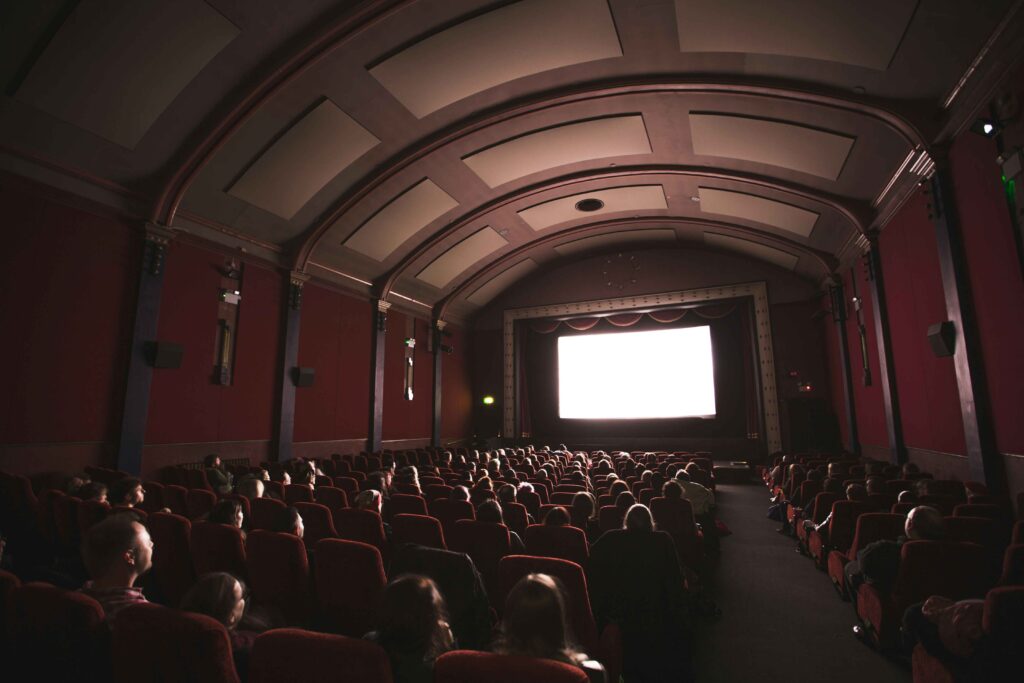
Ultimately, the debate over movie length is unlikely to be resolved anytime soon. As long as filmmakers continue to push the boundaries of what’s possible on the silver screen, and audiences remain hungry for ever-more immersive cinematic experiences, the tug-of-war between short and long will undoubtedly continue.
Here are some very long movies to think about:
QUESTION:
VOCABULARY: