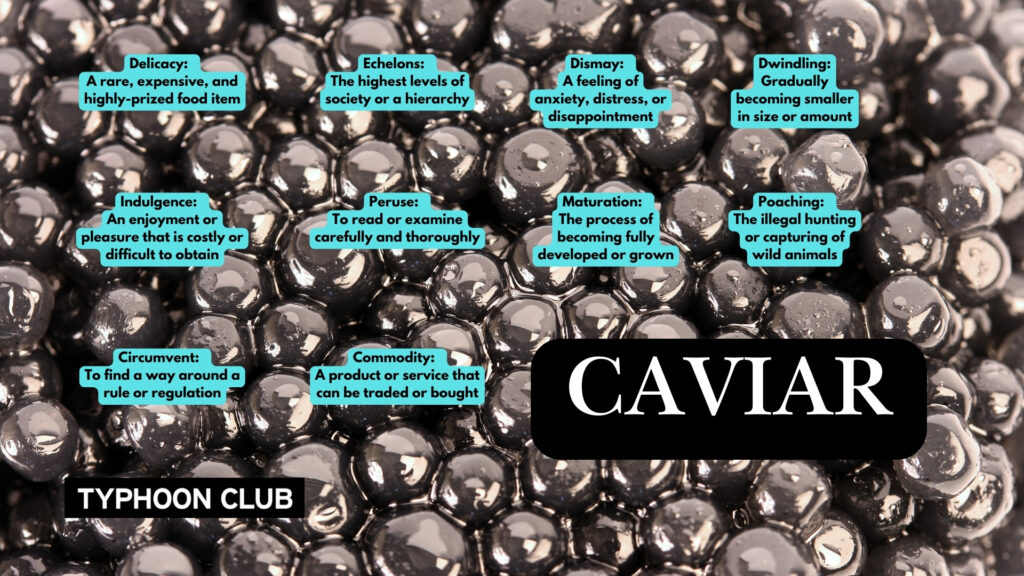
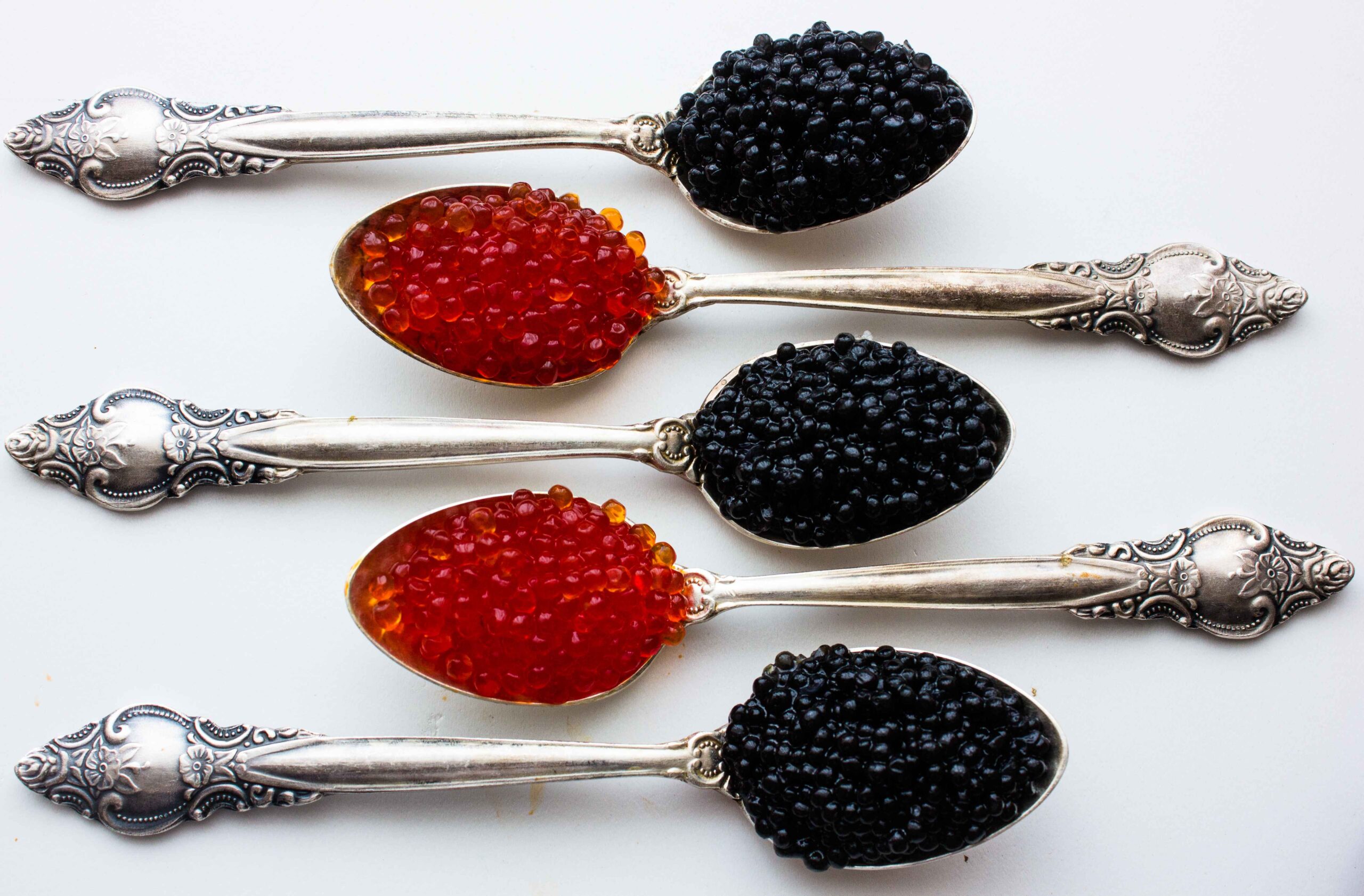
Caviar, the delicacy of the ocean, has long been a symbol of luxury and indulgence. These small, black eggs, often referred to as the “black pearls,” are harvested from the sturgeon, a fish that has been around for over 250 million years.
Did you know that approximately 50 per cent of all the caviar produced worldwide is consumed by first-class airline passengers? This exclusive treat has become a hallmark of the rich.
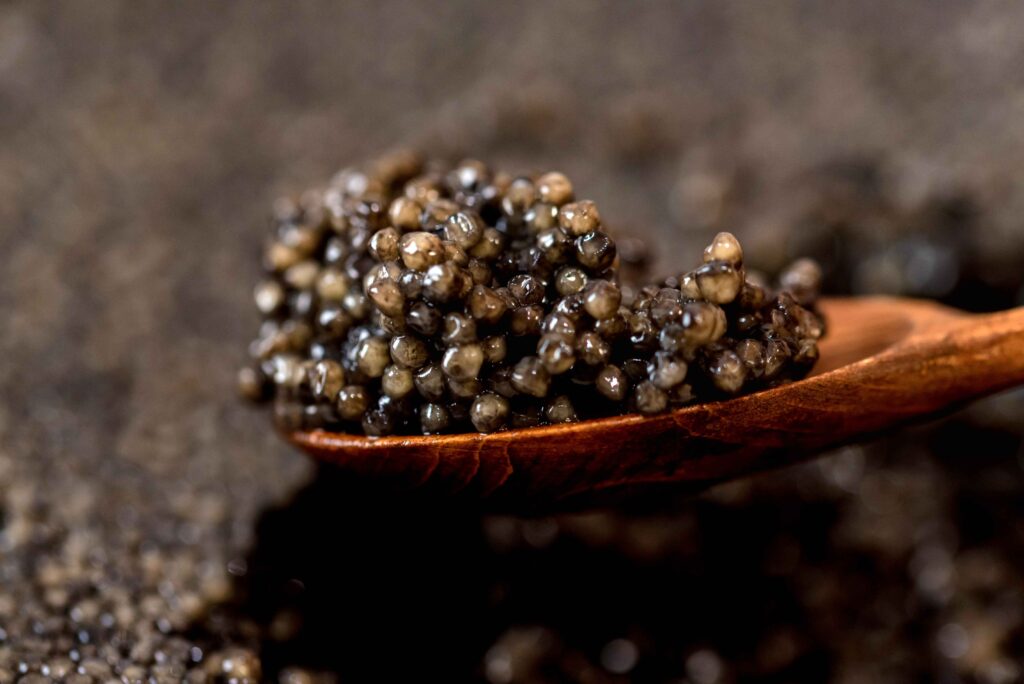
Imagine the scenario: You’ve just received some wonderful news and want to celebrate with your parents. A nice meal out seems like the perfect way to mark the occasion. As you review the menu, the enticing option of caviar catches your eye. However, your parents’ concern when they see the staggering price of $900 for just two spoonful’s is understandable.
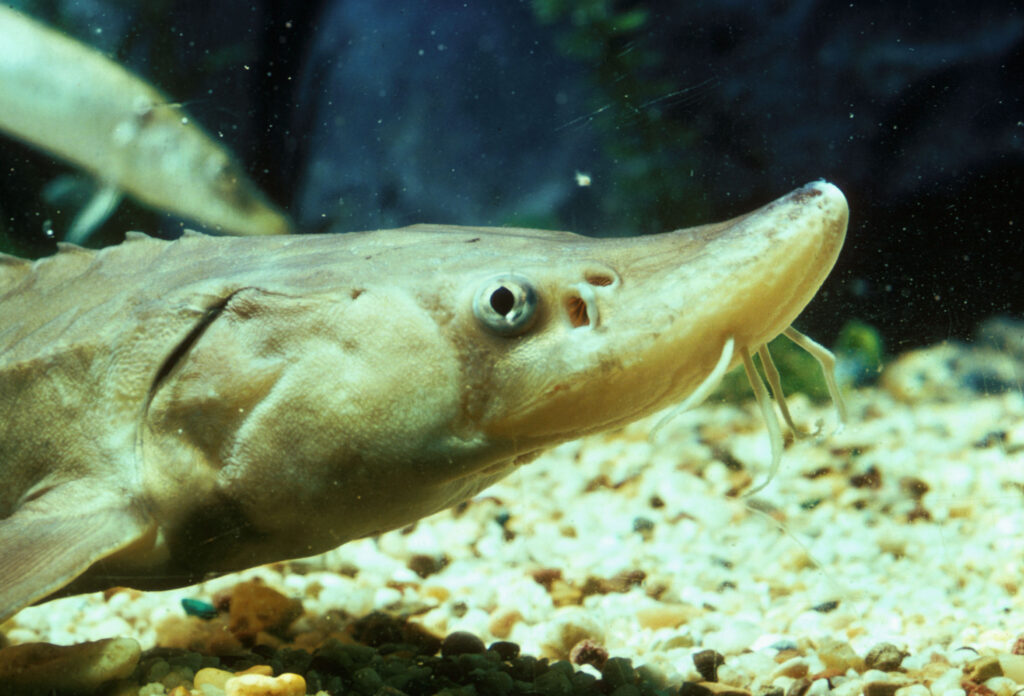
Caviar is a unique delicacy that comes from three distinct species of sturgeon: Beluga, Osetra, and Sevruga. The Beluga sturgeon, which produces the largest and most prized eggs, takes a remarkable 15 years to reach the point of egg production. This lengthy maturing process, combined with the dwindling sturgeon population, has made caviar an increasingly rare and expensive commodity.
The declining sturgeon population has become a major concern, leading to a worldwide ban on the trade of these ancient fish. The hope is that this ban will help to stop the illegal poaching that has contributed to the reducing numbers, allowing the sturgeon to recover and thrive once again.

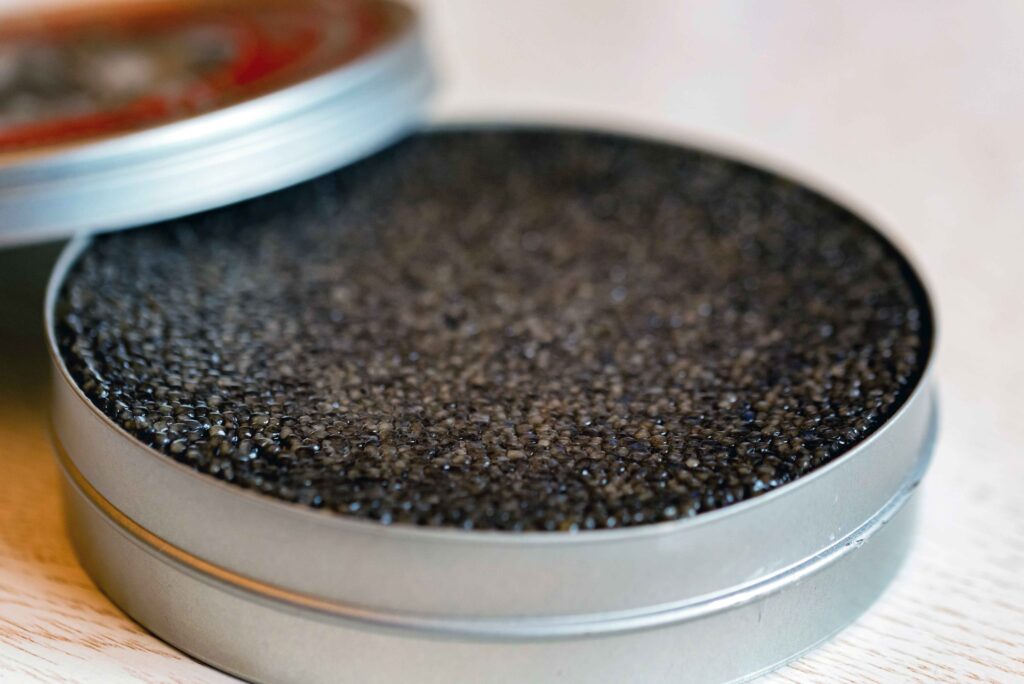
However, some experts worry that the ban may have the unintended consequence of fuelling the illegal trade, as the scarcity of caviar could drive up prices and tempt poachers to circumvent the strict regulations. It’s a delicate balance, as the preservation of this delicacy must be weighed against the potential for increased black-market activity.
Interestingly, caviar has not always been the exclusive preserve of the rich. In Britain, there was once a time when caviar was so abundant that it was freely given out as a snack in public houses to encourage thirsty patrons. But those days have long since passed, and even British royalty has stopped serving caviar at royal dinners.
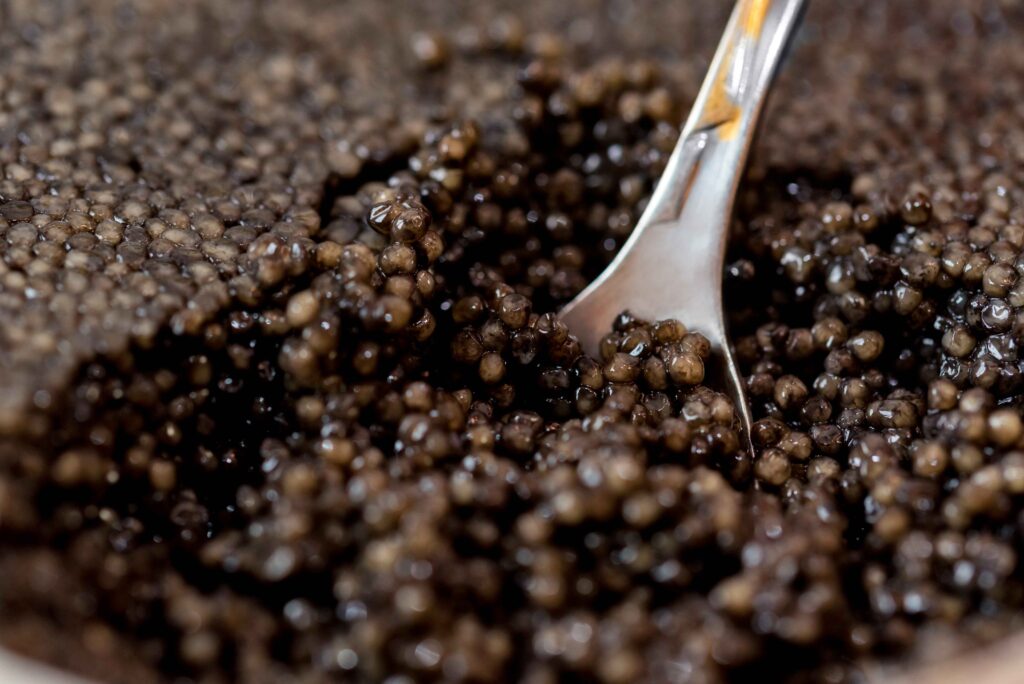
As we navigate the complex world of caviar and its conservation, it’s important to appreciate the rich history and cultural significance of this remarkable delicacy.
How would you eat caviar?
QUESTION:
VOCABULARY: