
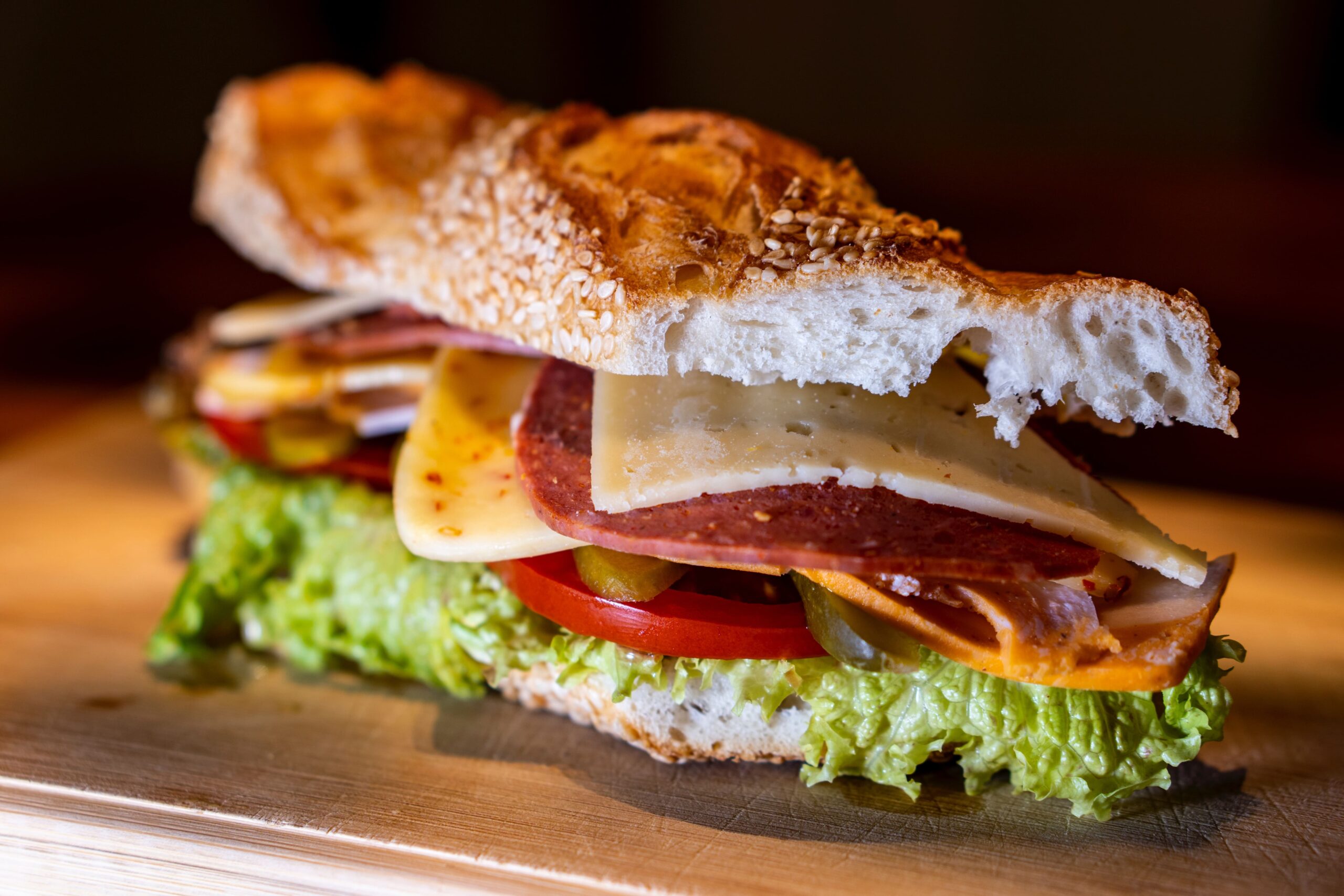
In a world where quick and convenient meals dominate, it’s hard to imagine a time when sandwiches were not a staple on supermarket shelves. Yet just over 40 years ago, the idea of selling pre-packaged sandwiches seemed unlikely. Little did anyone know that this humble creation, born out of the Earl of Sandwich’s love for gambling, would transform into a thriving industry worth billions of dollars.
Did you know?
It takes 3.5 minutes to eat a sandwich.


John Montagu was also known as the Earl of Sandwich. He was born in England in 1718 and during his life was a soldier and a politician. He was also a gambler and enjoyed nothing more than playing cards. There is a story that tells how he loved playing cards so much, he never wanted to stop to eat. Instead, he asked his servant to bring him some meat wrapped in bread. He could eat this whilst he continued to gamble his money away. Montagu may have made more money had he paid more attention to the dish he created – something that today, everyone calls the sandwich.
There is a strong chance that you will have eaten a sandwich or two in the past week. Maybe it was made at home, or perhaps you bought it at a local shop. People from around the world have been eating some kind of sandwich for hundreds of years.

It is hard to believe though, that shops did not really start selling sandwiches until about 40 years ago. The retailer Marks & Spencer sold its first packaged sandwiches in five of its stores in 1980. They offered two choices: salmon and cucumber, and egg and watercress. Each sandwich cost about HK$5.
No one in the Marks & Spencer management team thought that selling sandwiches would become a big business. After all, sandwiches are so easy to make. How wrong could they have been? The sandwiches proved to be so popular that Marks & Spencer was soon selling sandwiches in 25, then 105 stores. It was not long before every other retailer was following its lead.


Soon, management were examining every possible area of the sandwich. Business-like names were created: bread became known as the ‘carriers’, ‘barriers’ were butter and mayonnaise, and ‘inclusions’ were anything inside the carriers. It became very scientific. New jobs were created to help with the development of the sandwich business. Managers became responsible for finding tomatoes that were not too watery, and bacon that could be crispier.
By 1999, more people in England were employed making and selling sandwiches than people working on farms. Today, the sandwich business is worth about HK$87 billion a year. What’s more, it is still growing by two percent each year. That means an extra 80 million more sandwiches are sold than the previous year.
Two pieces of bread and some filling is a simple yet delicious idea. Who would ever have thought it would turn into such a massive business?
Question:

Learn more about the origins of the sandwich.
VOCABULARY
