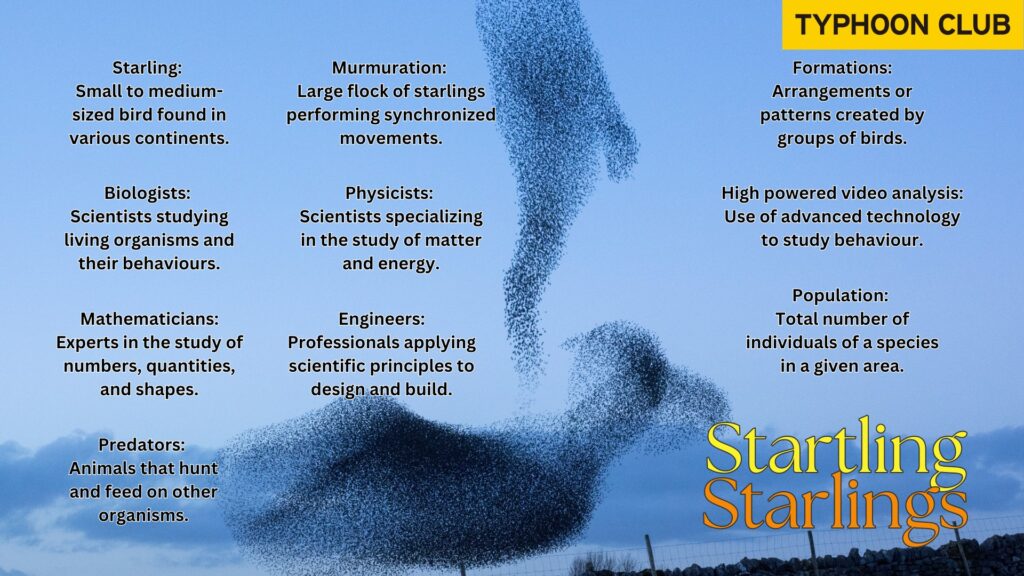
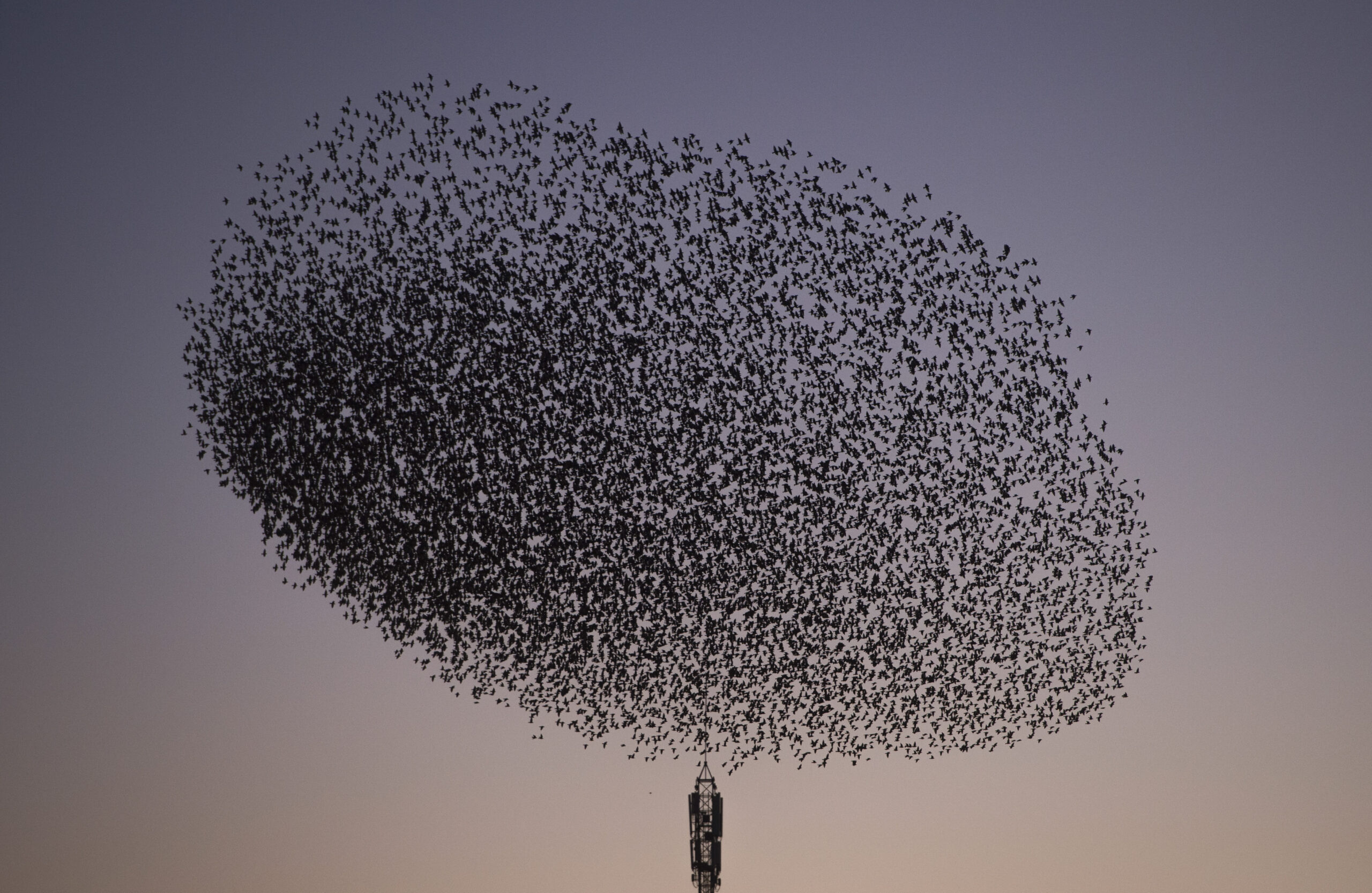
Prepare to be amazed by these extraordinary birds that come together in huge numbers and perform a breathtaking dance through the evening skies.
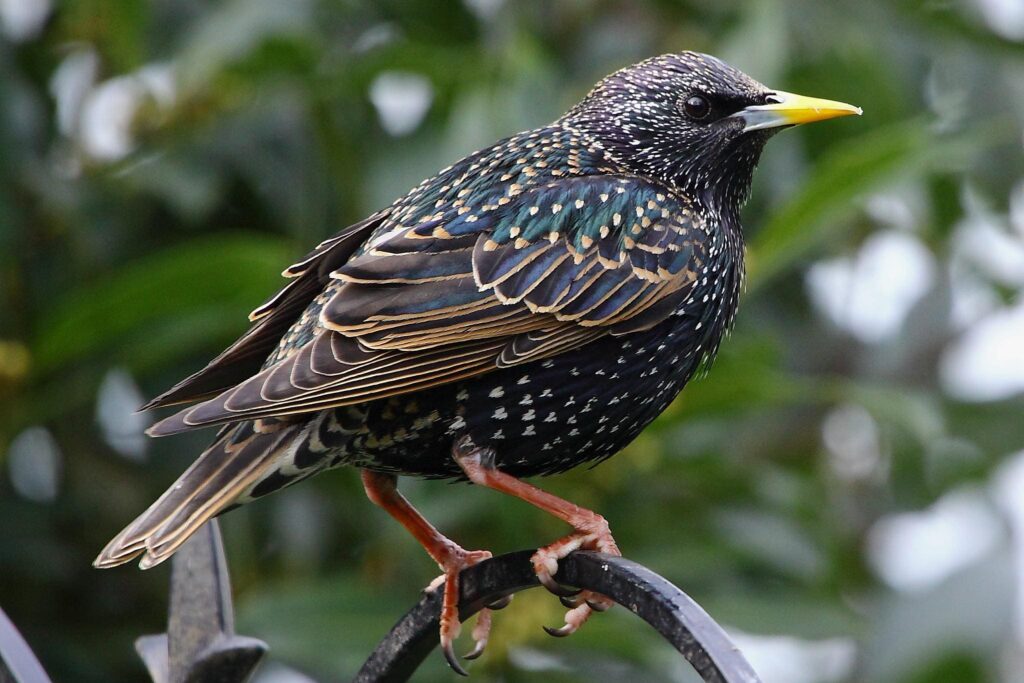
You may think nothing is startling about the bird known as the starling. They are small to medium in size and found in Asia, Europe, and Africa, where they eat mainly fruit and insects. However, when they come together in large groups, they perform amazing formations that have kept biologists, physicists, mathematicians, and engineers fascinated for hundreds of years.
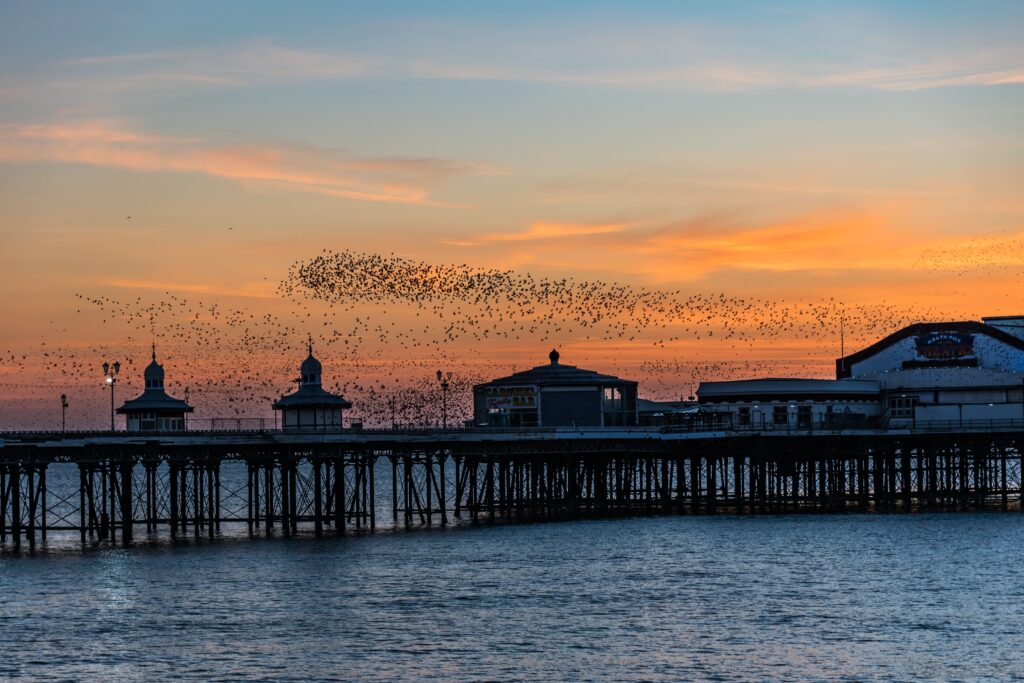
A flock of starlings is known as a murmuration. Scientists assume the birds flock together like this to protect themselves from predators such as hawks or falcons. With so many birds flying together, it’s difficult to attack just one of them. Other explanations of the murmuration are that the starling is a very social bird, that they fly together to attract the attention of other starlings that may wish to join them, and that the large group helps each bird to keep warm. It has been said that the birds communicate with one another about different feeding areas.
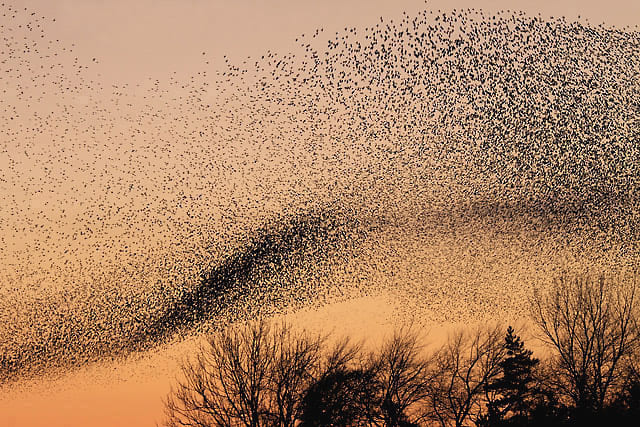
No one has been able to explain how starlings can create these stunning flying displays without bumping into one another. It is only with recent developments in high-powered video analysis that scientists are beginning to understand. The Woodland Trust in England explains, ‘Each starling follows the movement of six birds flying beside it. They have lightning-fast reactions where they can react within 100 milliseconds. If one bird changes speed or direction, those around it change, too.’
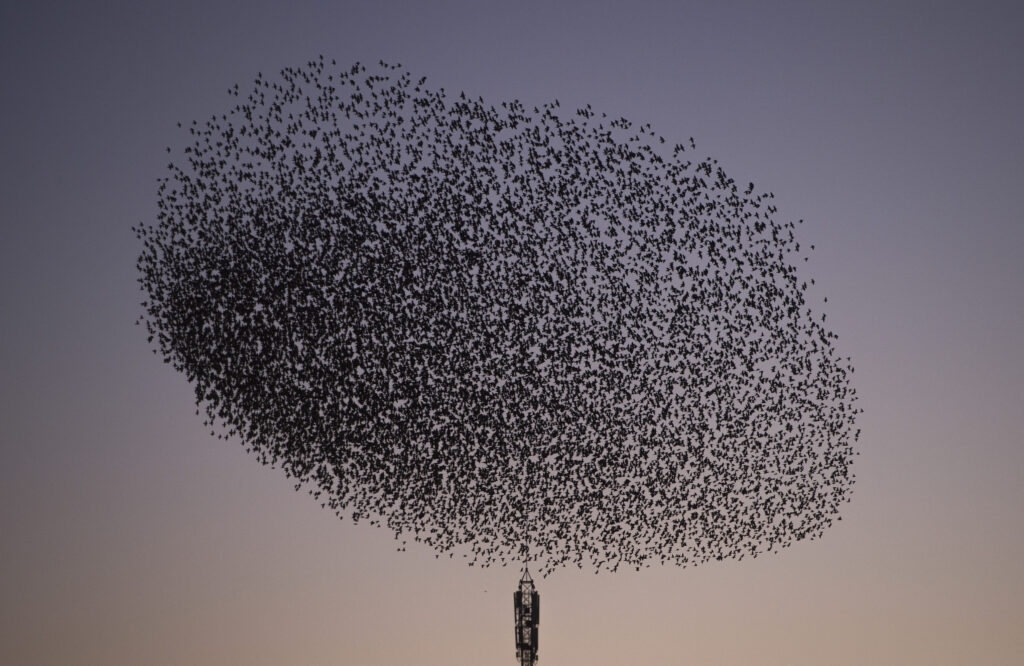
The best time to see a murmuration is in either autumn or winter. The birds usually perform before it gets dark at night. It takes a minimum of 200 to 300 birds to form a murmuration. In 1999, over six million starlings gathered one evening in southwest England.
These astonishing sights may become a thing of the past. In recent years, the starling population has fallen considerably in some areas of the world. This is due to the increase of community chemicals used in farming and a shortage of feeding sites. So, while you can, try to experience the incredible sight of a starling murmuration.
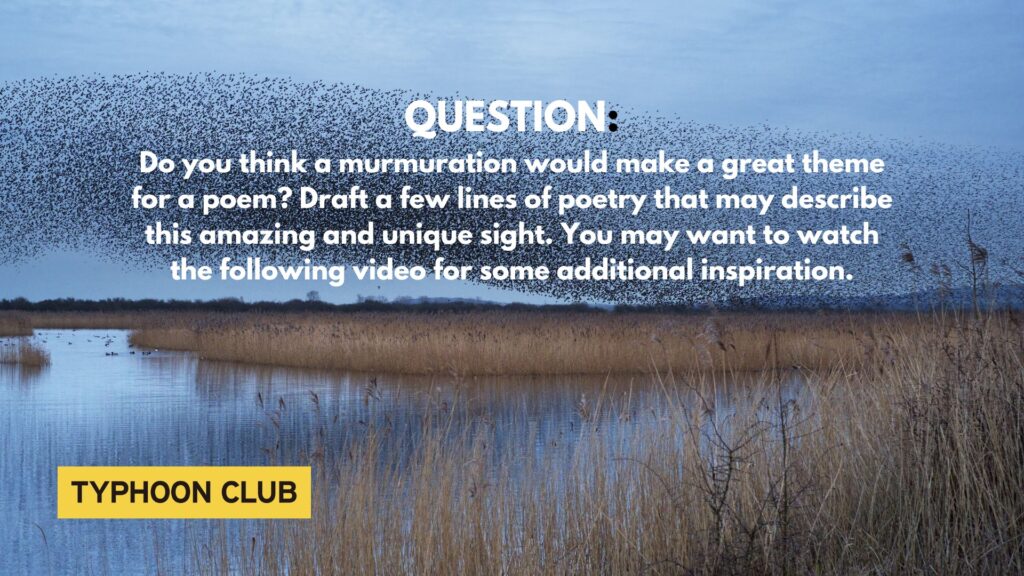
Question:
Enjoy a murmuration!
VOCABULARY