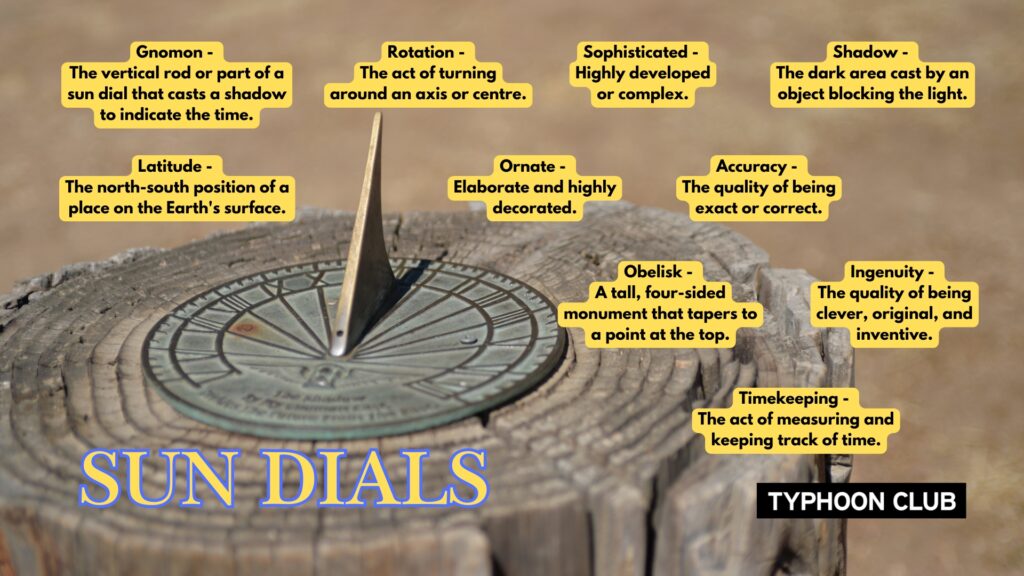


A sun dial is a simple device used to tell the time by using the position of the sun in the sky. It consists of a flat surface, usually made of stone or metal, with a vertical rod or gnomon placed in the centre. As the sun moves across the sky throughout the day, the gnomon casts a shadow on the surface, and the position of this shadow indicates the time.
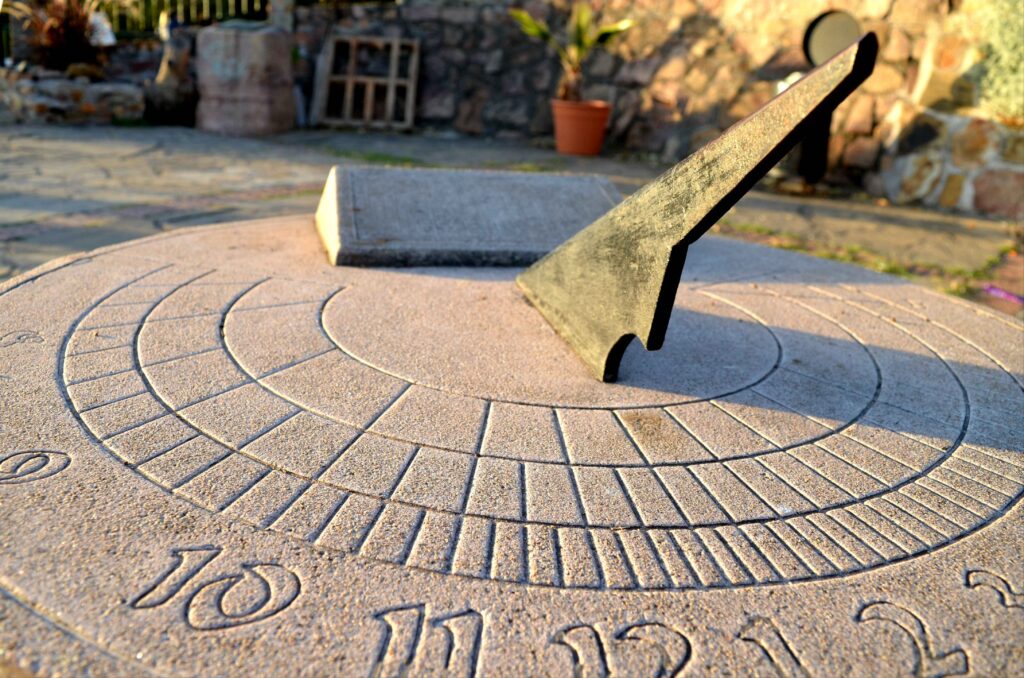
The way a sun dial works is based on the Earth’s rotation around its axis. As the Earth rotates, the sun appears to move across the sky, and the position of the sun’s rays changes. By carefully calibrating the sun dial’s surface and the angle of the gnomon, the time can be determined by the position of the shadow cast by the gnomon.
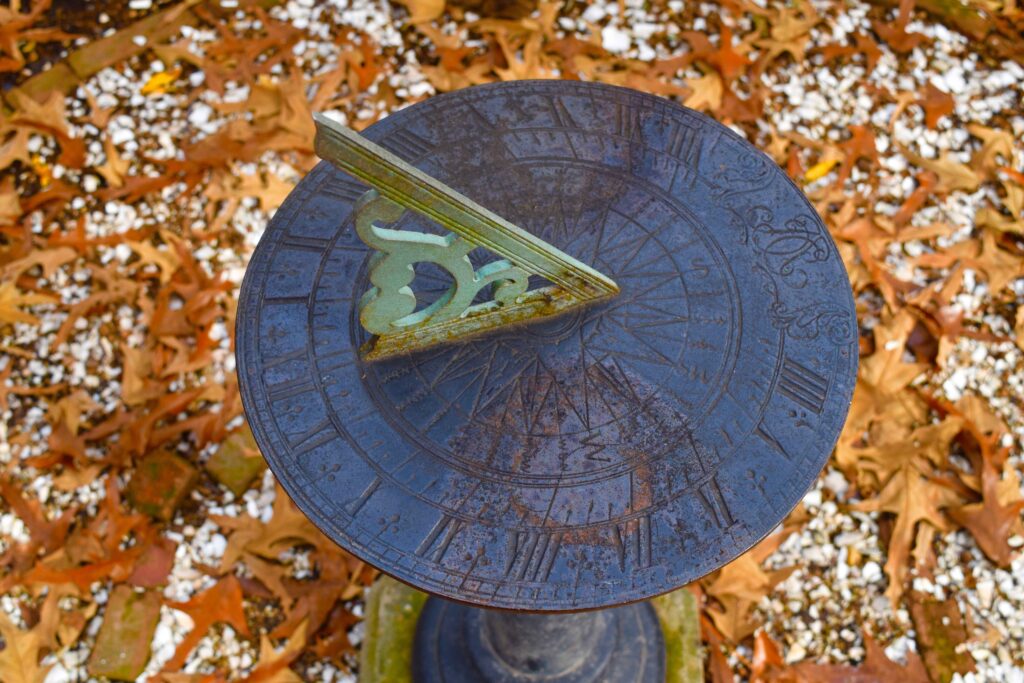
The way a sun dial works is based on the Earth’s rotation around its axis. As the Earth rotates, the sun appears to move across the sky, and the position of the sun’s rays changes. By carefully calibrating the sun dial’s surface and the angle of the gnomon, the time can be determined by the position of the shadow cast by the gnomon.
Sun dials have a long history, dating back thousands of years to ancient civilizations such as the Egyptians, Greeks, and Chinese. The earliest known sun dial was discovered in Egypt and dates back to around 1500 BC. Over the centuries, sun dials became more sophisticated, with designs that could account for the changing seasons and different latitudes.
Some of the most famous sun dials around the world include:

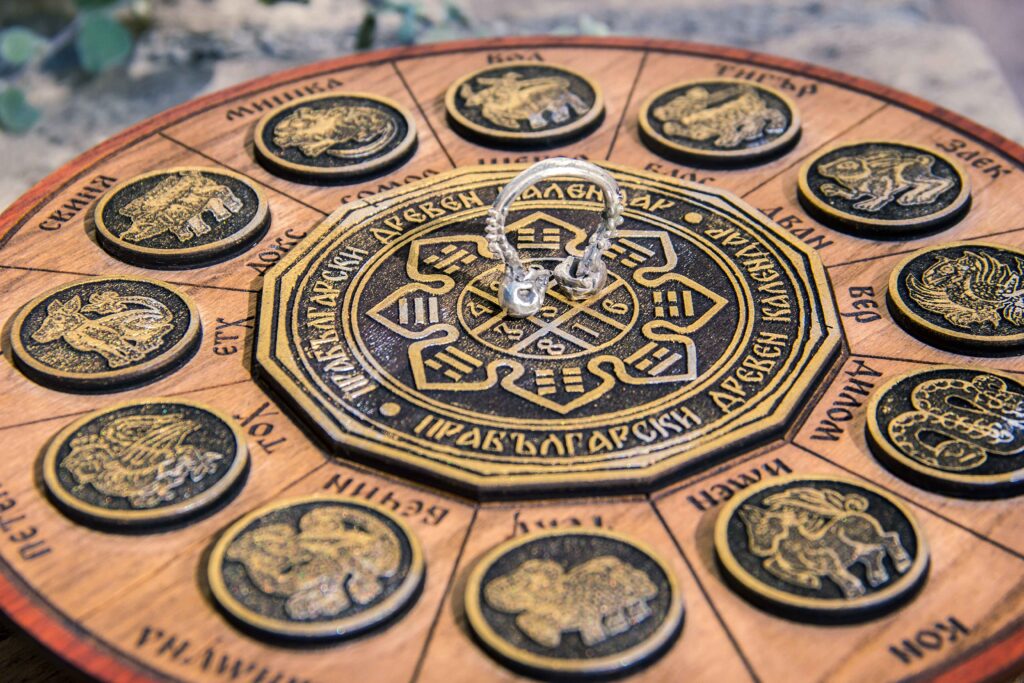
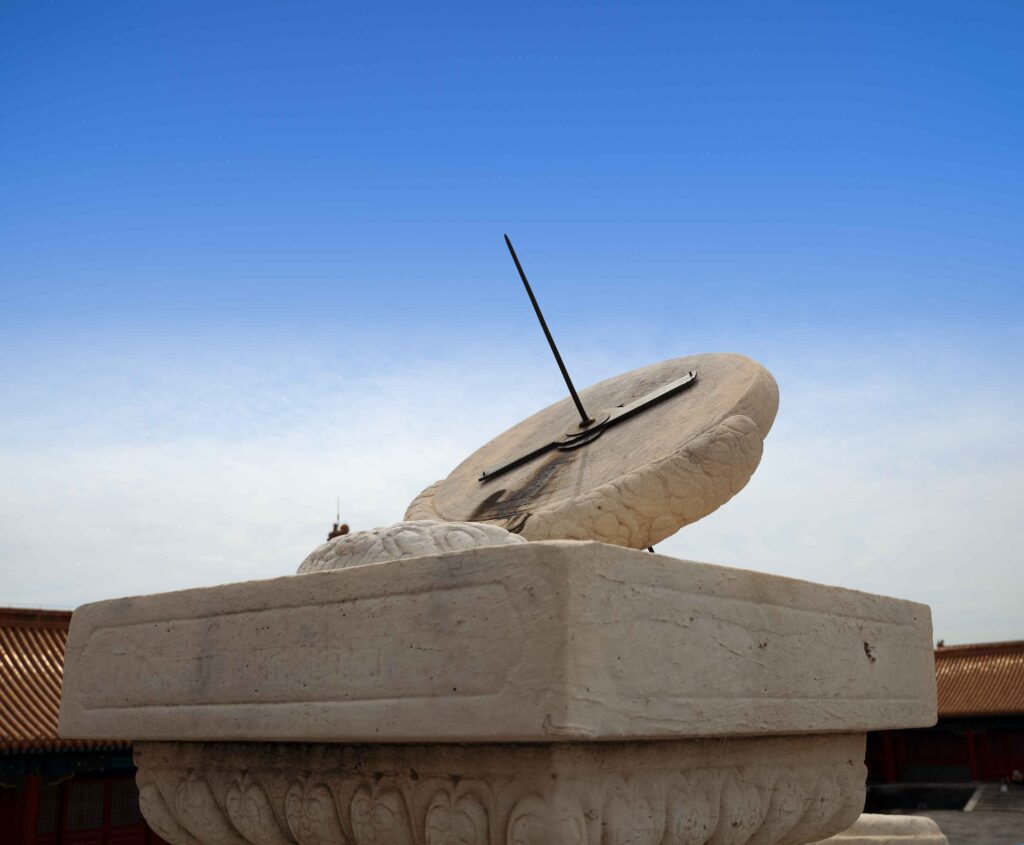
Sun dials may seem like a simple device, but they are a testament to the ingenuity and scientific understanding of ancient civilizations. While they have been largely replaced by more accurate modern timekeeping devices, sun dials remain an intriguing and elegant way to track the passage of time.
How to read a sun dial:
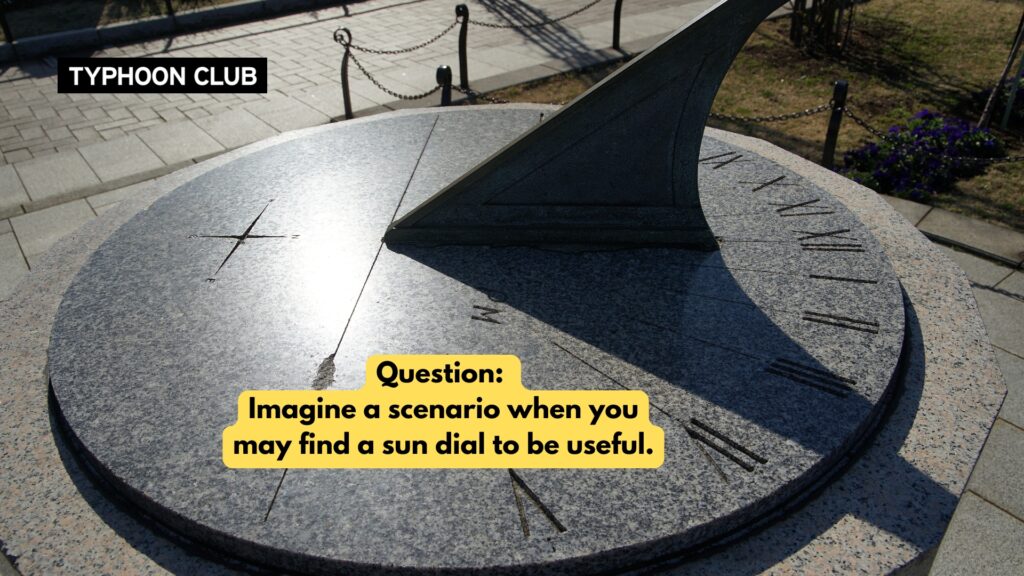
QUESTION:
VOCABULARY: