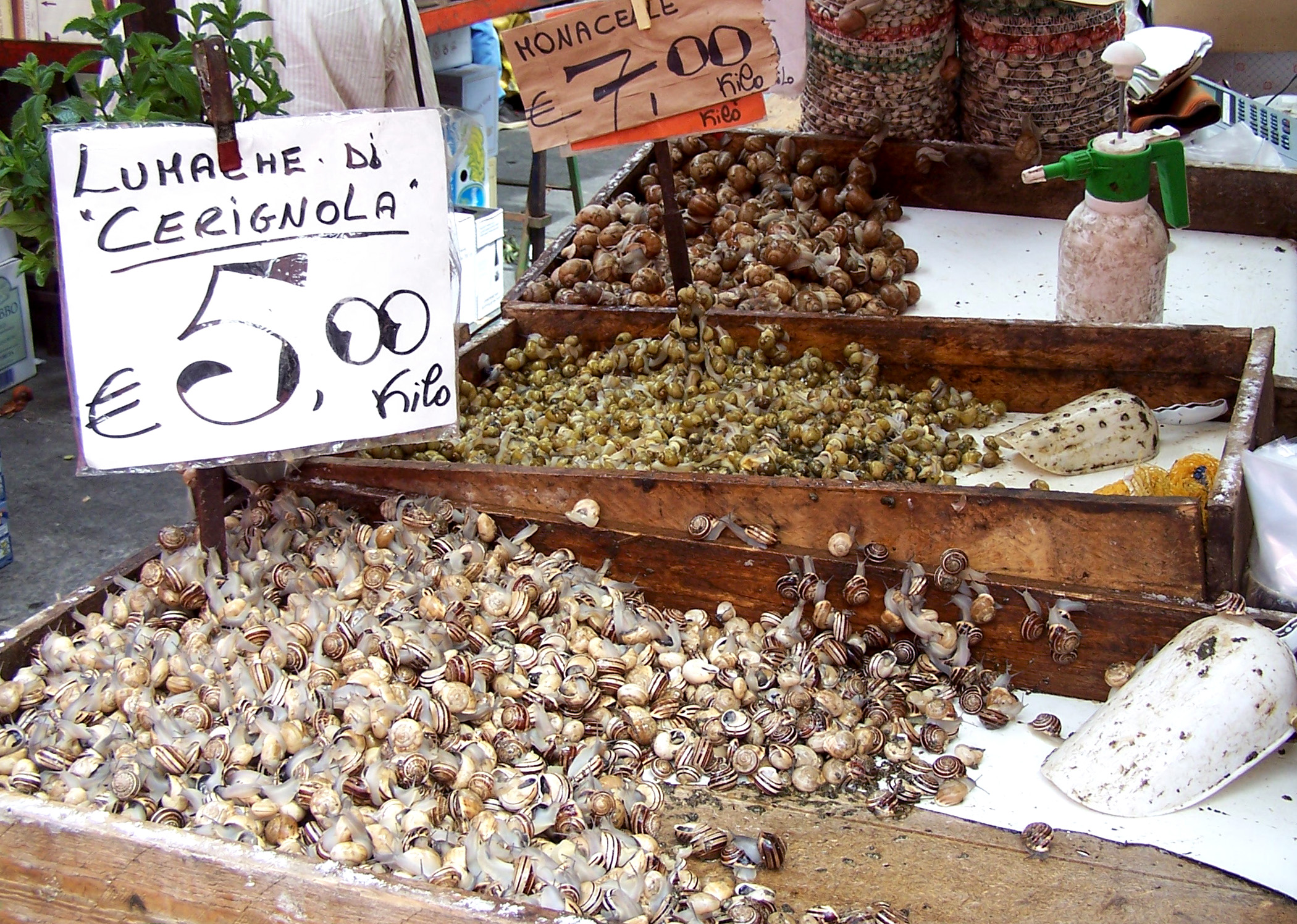
Eating snails, known as escargot in French cuisine, may seem unusual to some, but it is a delicacy enjoyed by many around the world. This practice dates back to ancient times, with evidence suggesting that snails have been consumed for thousands of years. In fact, archaeological findings indicate that snails were part of the diet of early humans in Europe and the Mediterranean.

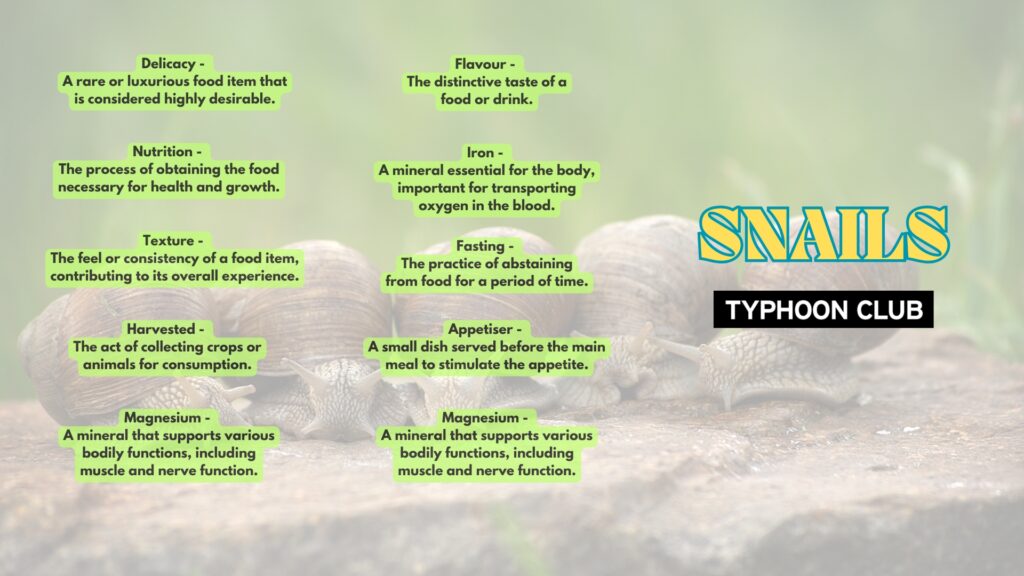
Snails are not only a source of nutrition but also offer a unique texture and flavour that can enhance various dishes. They are low in fat and high in protein, making them a healthy choice for those looking to diversify their diet. Rich in vitamins and minerals, snails are particularly high in iron and magnesium, which contribute to overall health.
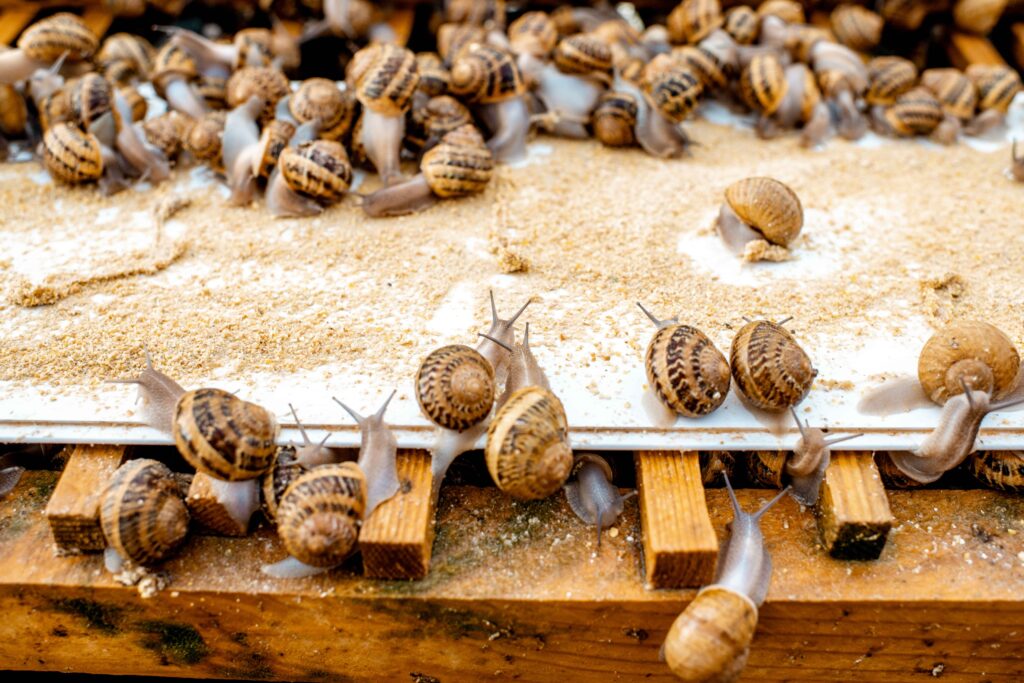
The most common type of snail consumed is the land snail, particularly Helix pomatia, also known as the Roman snail or Burgundy snail. These snails are often harvested from the wild or farmed in controlled environments. The process of preparing snails for consumption involves cleaning them thoroughly to remove any dirt or impurities. After a period of fasting, snails are usually cooked with garlic, butter, and herbs, which enhances their flavour and aroma.
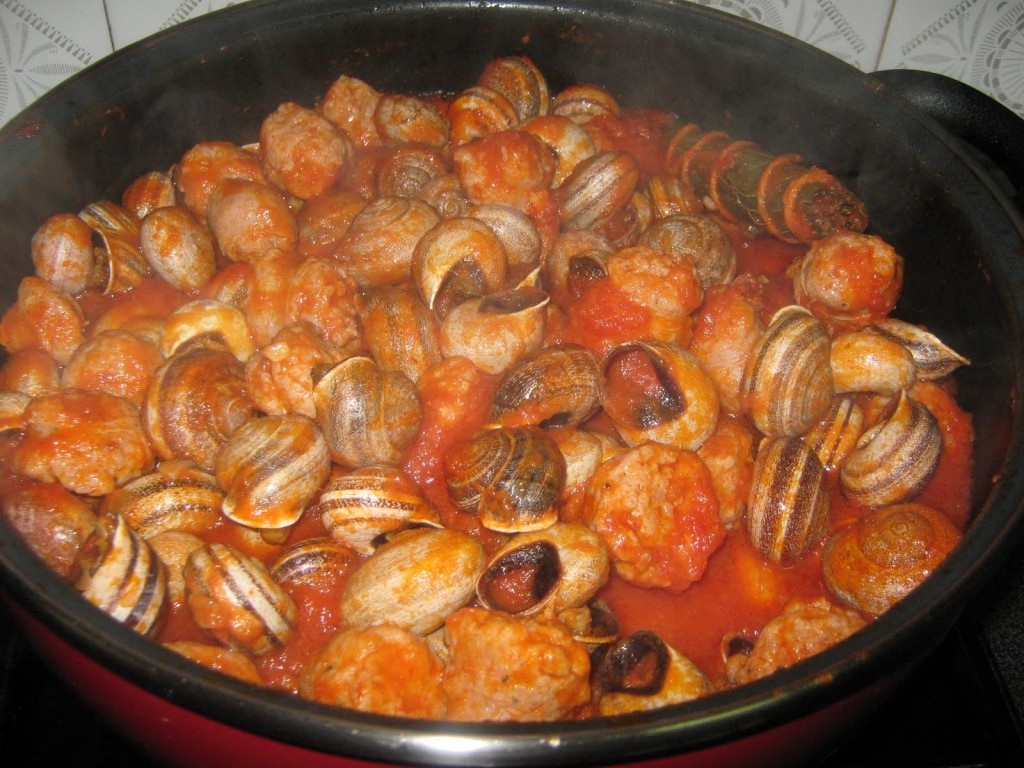
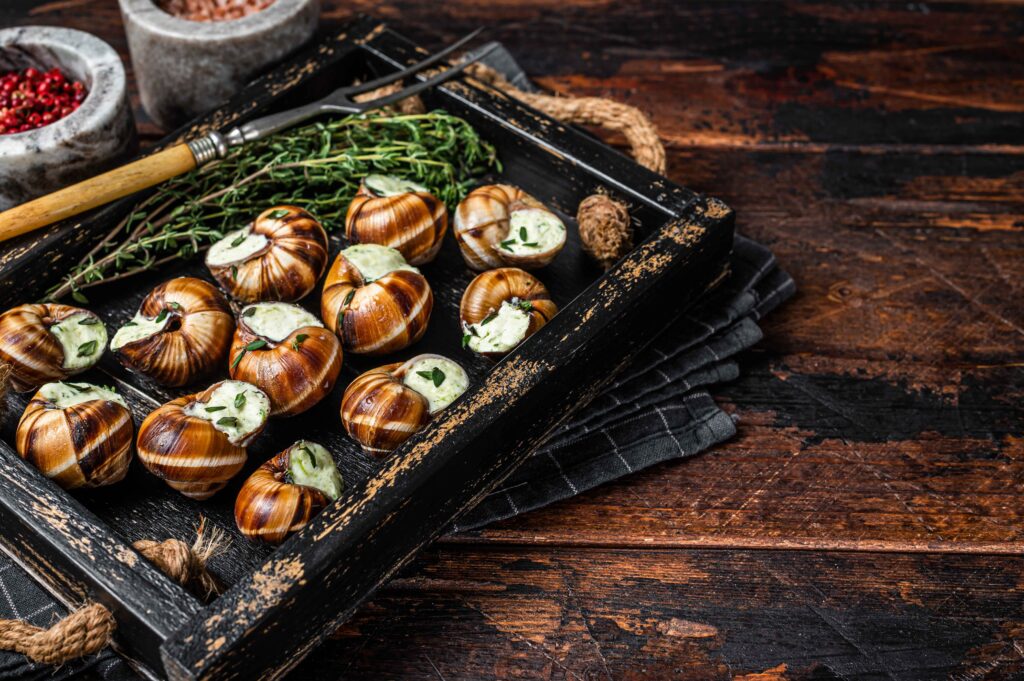
In addition to France, where escargot is a classic dish served in fine dining restaurants (above right), many cultures around the world enjoy snails. For example, in Spain, snails are featured in various regional dishes, such as the traditional paella. In Italy, snails are often prepared in pasta dishes or served as an appetiser with a rich sauce. In North Africa, snails are commonly found in street food, seasoned with spices and served in a broth.
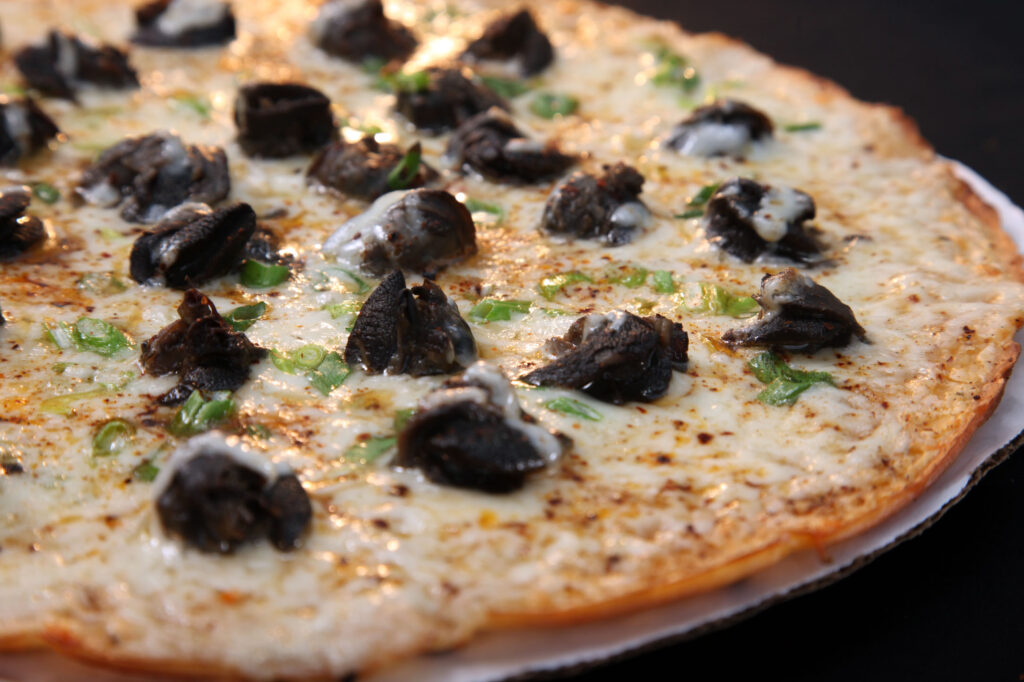
Despite their popularity, the idea of eating snails can be off-putting for some. However, culinary traditions across the globe show that snails can be a delicious and versatile ingredient. Many chefs are now experimenting with snails in contemporary cuisine, incorporating them into gourmet dishes that showcase their unique qualities.
Furthermore, the sustainability of snail farming makes them an attractive option for environmentally conscious consumers. Snails require less feed and water compared to traditional livestock, making them a more sustainable protein source.
Watch an expert catch and prepare snails for a delicious meal:
QUESTION:

VOCABULARY: