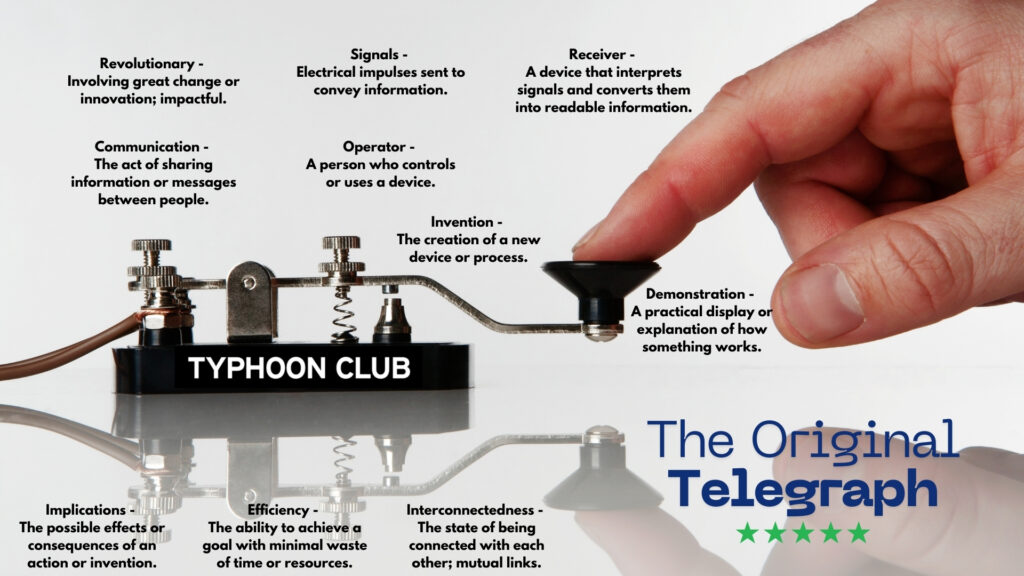

The telegraph, developed in the early 19th century, was a revolutionary system that transformed long-distance communication. Before its invention, sending messages over large distances was slow and often unreliable, relying on methods such as written letters or messengers on horseback. The telegraph changed all of this, marking a significant leap in how people communicated.
The invention of the telegraph is largely credited to Samuel Morse (right), an American artist and inventor. In the 1830s, Morse, along with his colleague Alfred Vail, developed the first practical telegraph system. They created a code known as Morse code, which represented letters and numbers through a series of dots and dashes. This coding system allowed for efficient transmission of messages over wires.

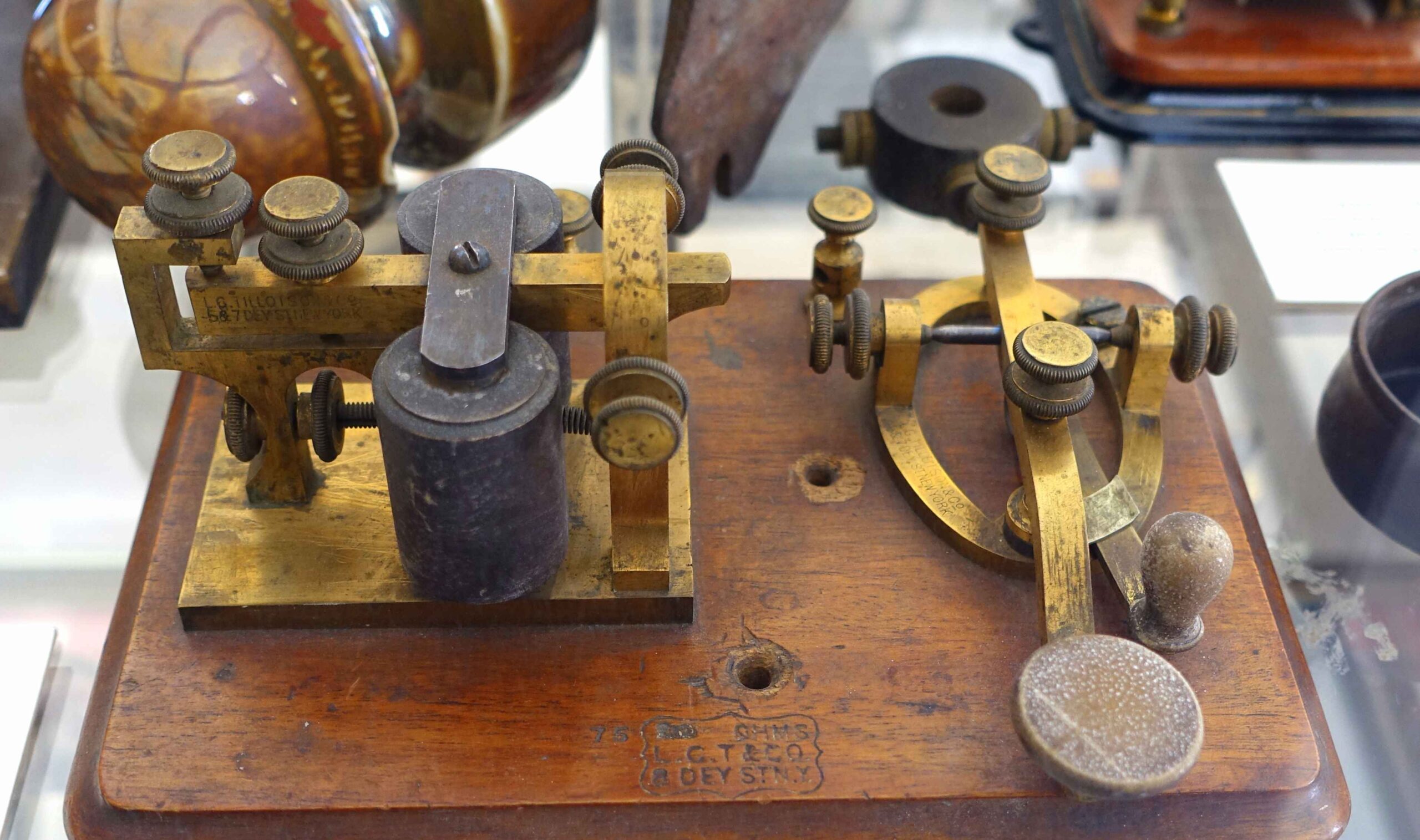
The original telegraph worked by sending electrical signals over a wire from one point to another. When the operator pressed a key, it completed an electrical circuit, sending a signal along the wire. At the receiving end, a device called a receiver would interpret these signals, producing audible clicks or marks on a paper tape. By decoding the series of dots and dashes, the operator could read the message sent.
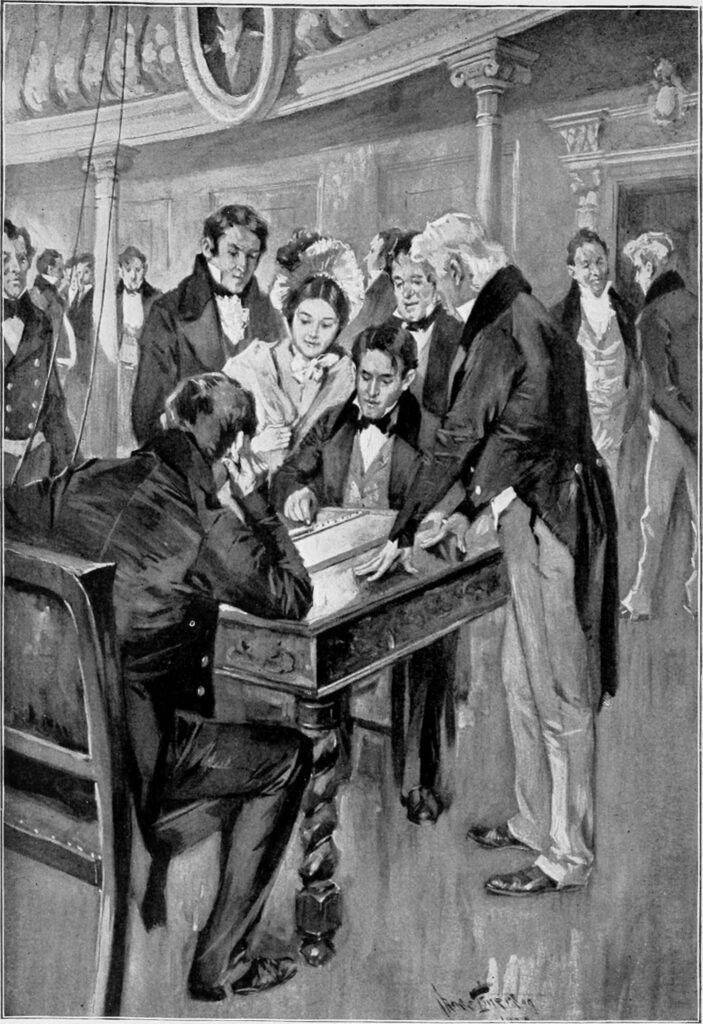
The first successful demonstration of Morse’s telegraph took place in 1844, when he famously sent the message, “What hath God wrought?” from Washington, D.C., to Baltimore, Maryland. This event marked the beginning of a new era in communication, as the telegraph allowed messages to be transmitted almost instantly over great distances.
The introduction of the telegraph had profound implications for society. It revolutionised industries such as journalism, shipping, and finance, enabling news to travel faster than ever before. Businesses could communicate quickly with suppliers and customers, improving efficiency and decision-making. Additionally, the telegraph played a crucial role in emergencies, allowing for rapid communication during crises.
As the telegraph network expanded, it became a vital part of everyday life. By the late 19th century, telegraph lines crisscrossed the globe, connecting cities and countries. This interconnectedness laid the groundwork for subsequent advancements in communication technology, including the telephone and the internet.
Learn more about the original telegraph here:
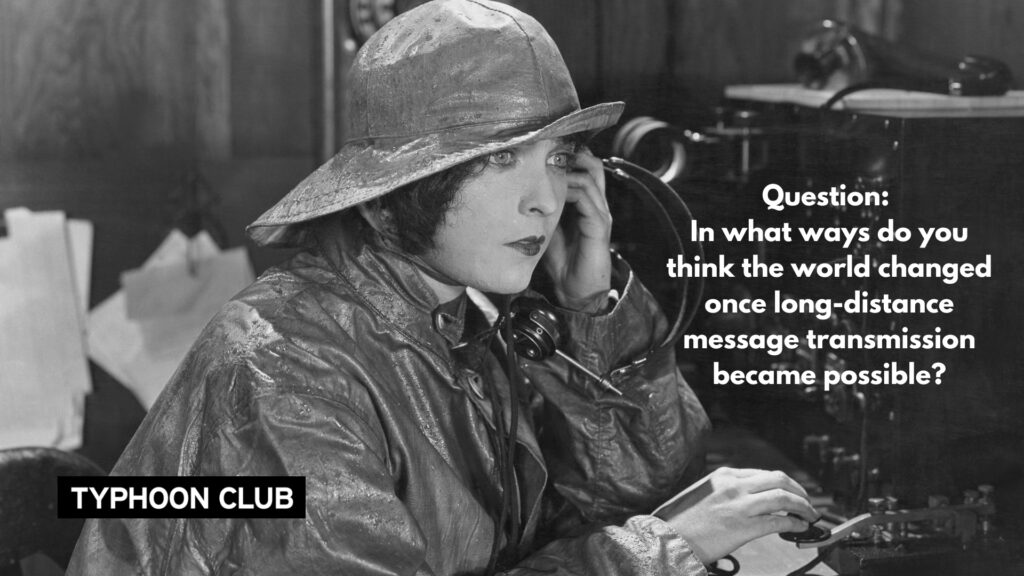
QUESTION:
VOCABULARY: