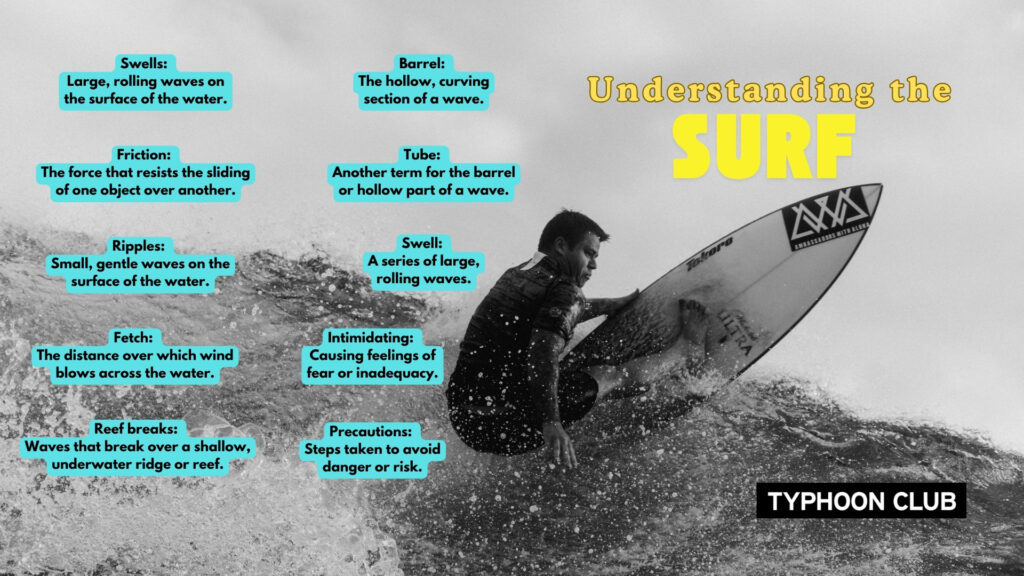
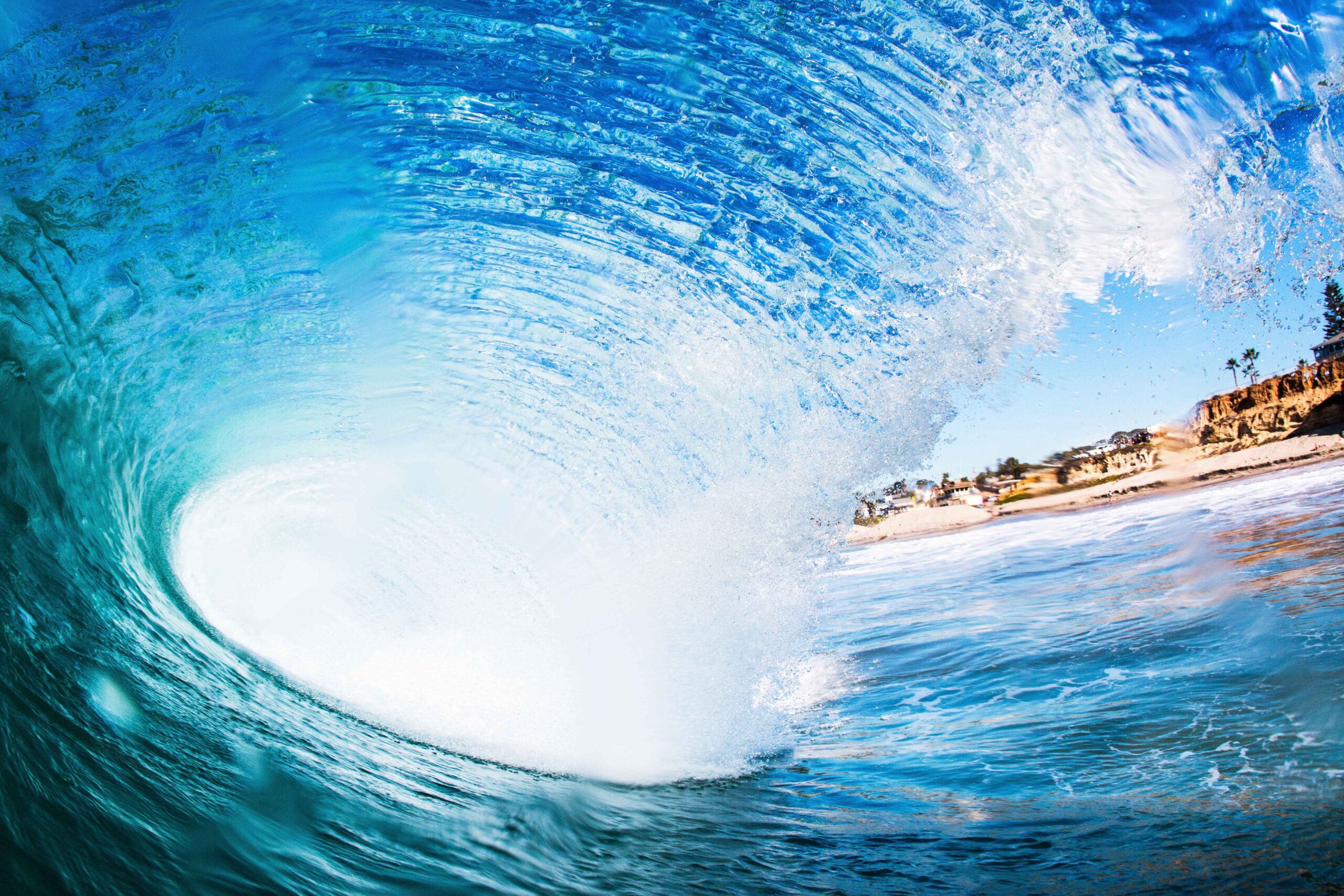
If you’ve ever watched surfers gliding across the surface of the ocean, you’ve witnessed the power and beauty of waves. Have you ever wondered what causes these rolling swells of water, and where you can find the best waves to surf?
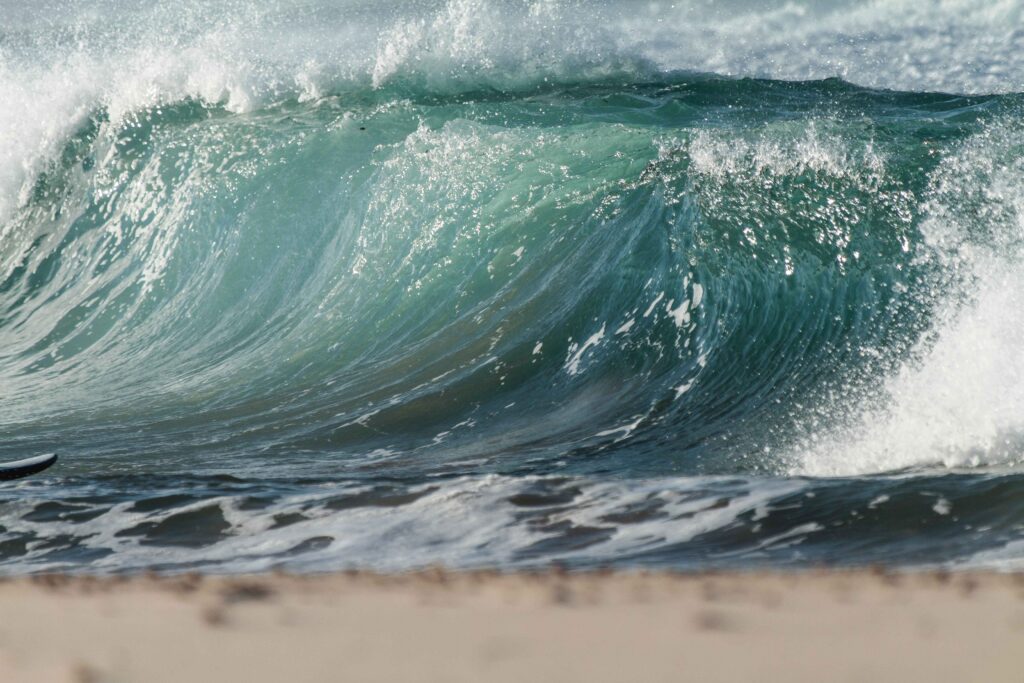
Waves are formed by the movement of wind across the surface of the water. As the wind blows, it creates friction, transferring energy from the air to the water. This causes the water to start moving in a circular motion, creating small ripples on the surface. As more wind energy is added, these ripples grow into larger waves.
The size and shape of the waves are determined by factors like the strength of the wind, the distance it has travelled (called the “fetch”), and the depth of the water. Stronger winds, longer fetch, and shallower water all contribute to the creation of bigger, more powerful waves.
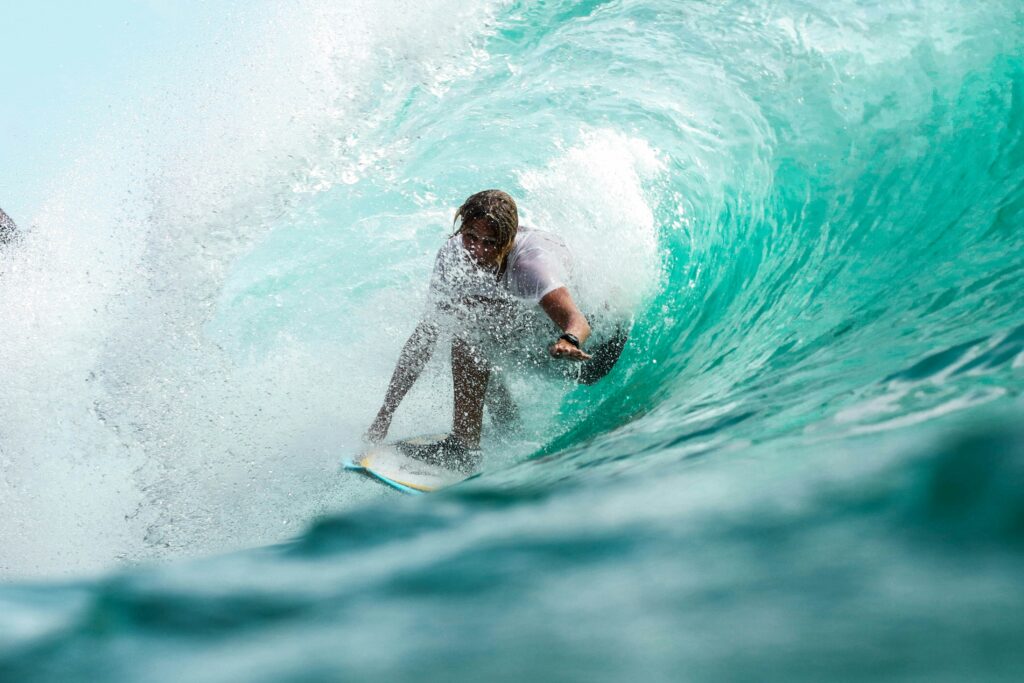
Some of the world’s most famous surf spots are located in areas with optimal conditions for wave formation. Hawaii, for example, is renowned for its massive North Shore waves, which are created by strong winds blowing across the vast expanse of the Pacific Ocean. Similarly, the rugged coasts of places like Australia, California, and Portugal attract surfers from around the globe thanks to their consistent, high-quality waves.
When searching for the best waves to surf, there are a few key factors to consider. First, you’ll want to look for areas with a consistent offshore wind, as this helps to shape the waves into the perfect “barrel” or “tube” that surfers love to ride. Reef breaks and points, where the seafloor rises up to meet the waves, also tend to produce the cleanest, most well-formed waves.
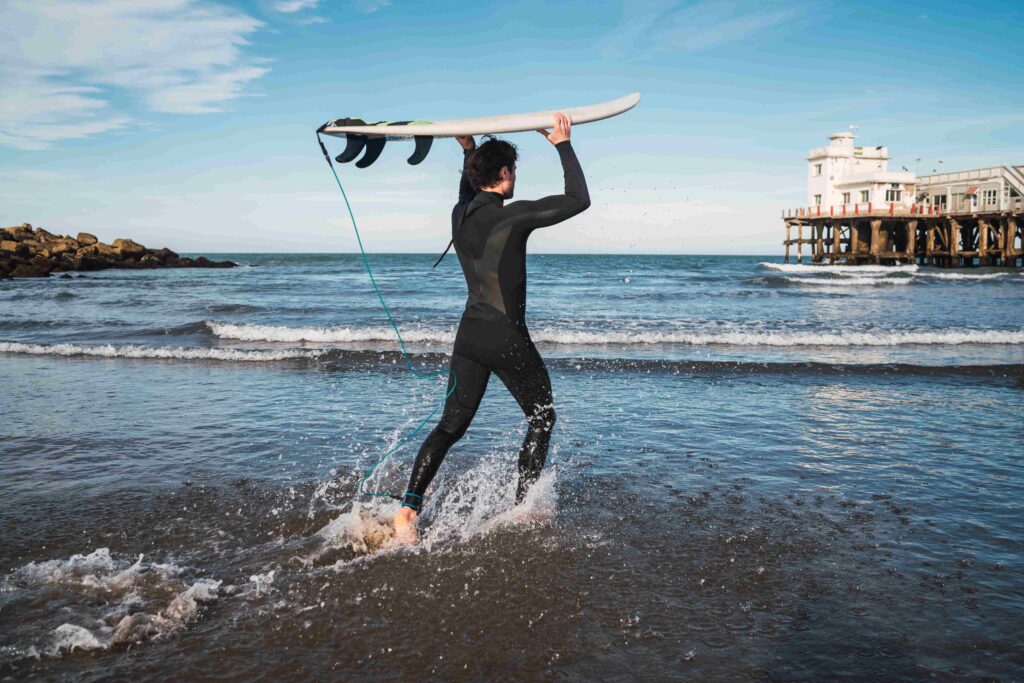
Another important factor is wave height. Experienced surfers may seek out massive swells of 20 feet or more, but for beginners, waves in the 3-6 foot range are generally more manageable and less intimidating. The steepness of the wave, known as the “face”, is also crucial: the steeper the face, the more challenging the wave will be to ride.
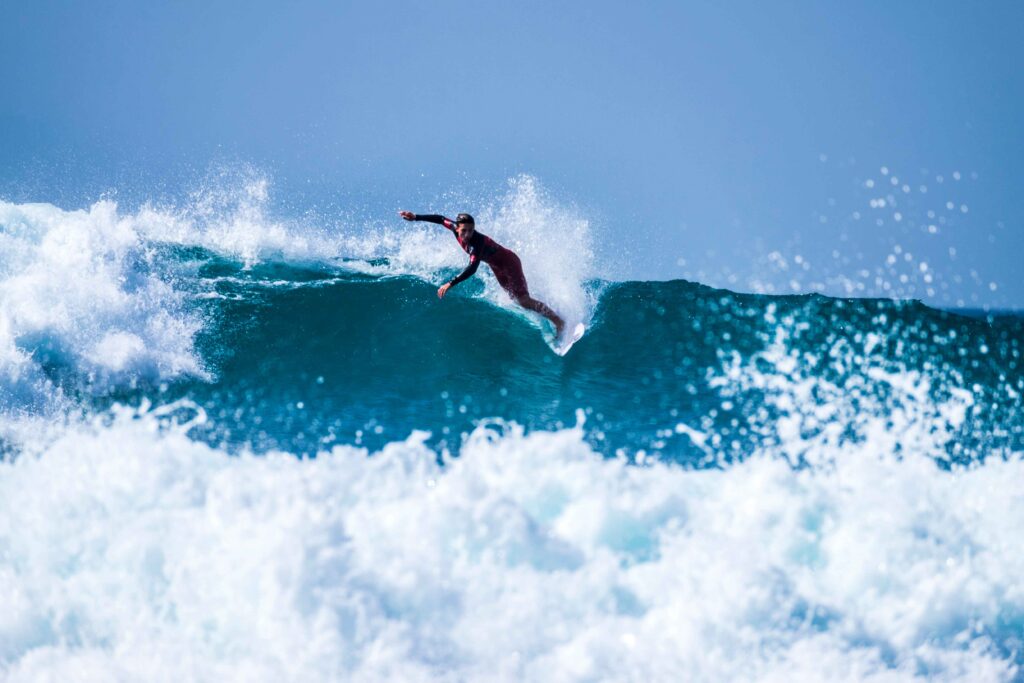
Of course, safety should always be the top priority when surfing. It’s important to check local weather and surf reports, and to only enter the water if you have the necessary skills and experience. Surfing can be an exhilarating and rewarding sport, but it’s also inherently risky, so it’s crucial to respect the power of the waves and take appropriate precautions.
Here’s a video that explains in a little more detail how waves are formed:
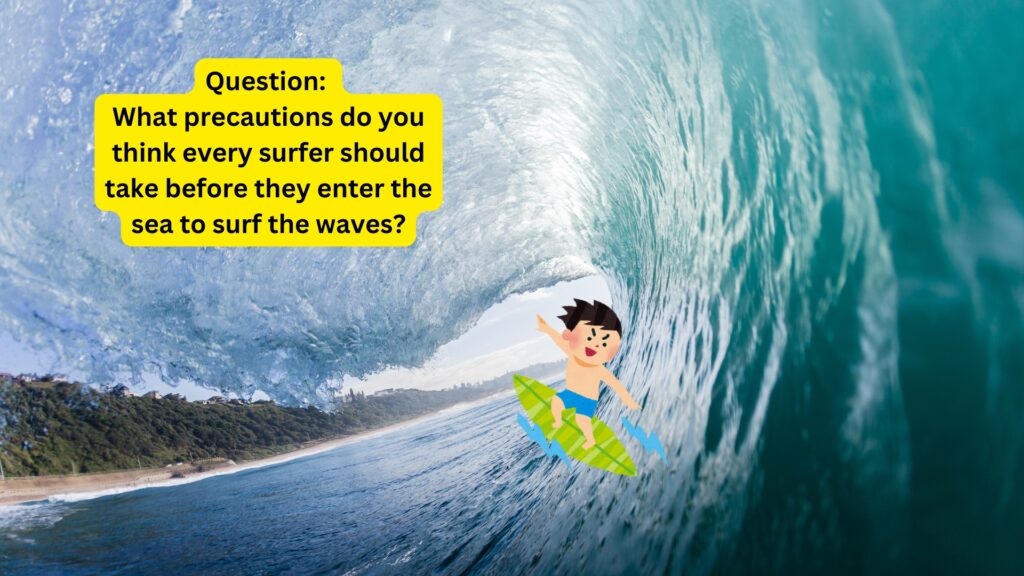
QUESTION:
VOCABULARY: