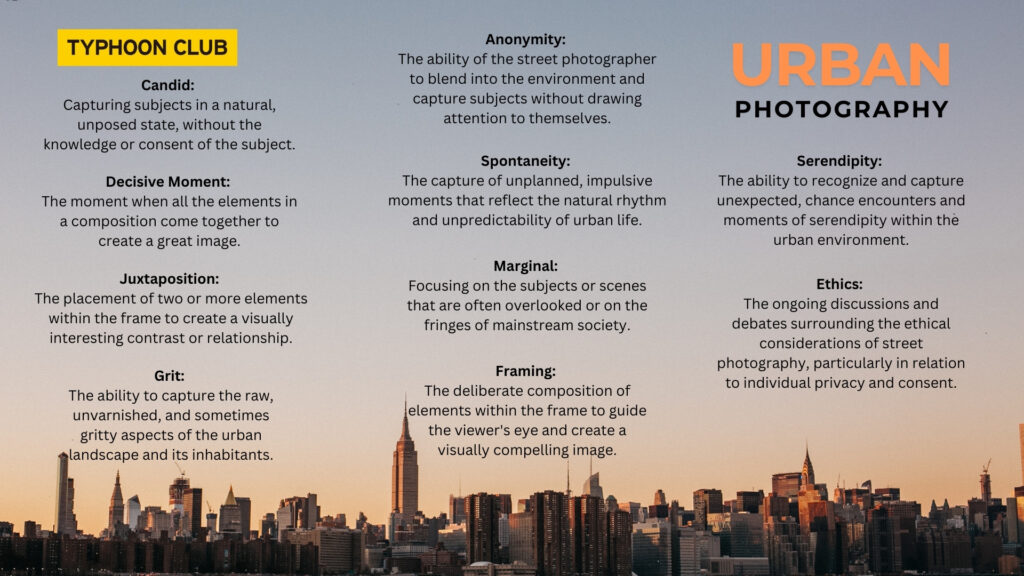
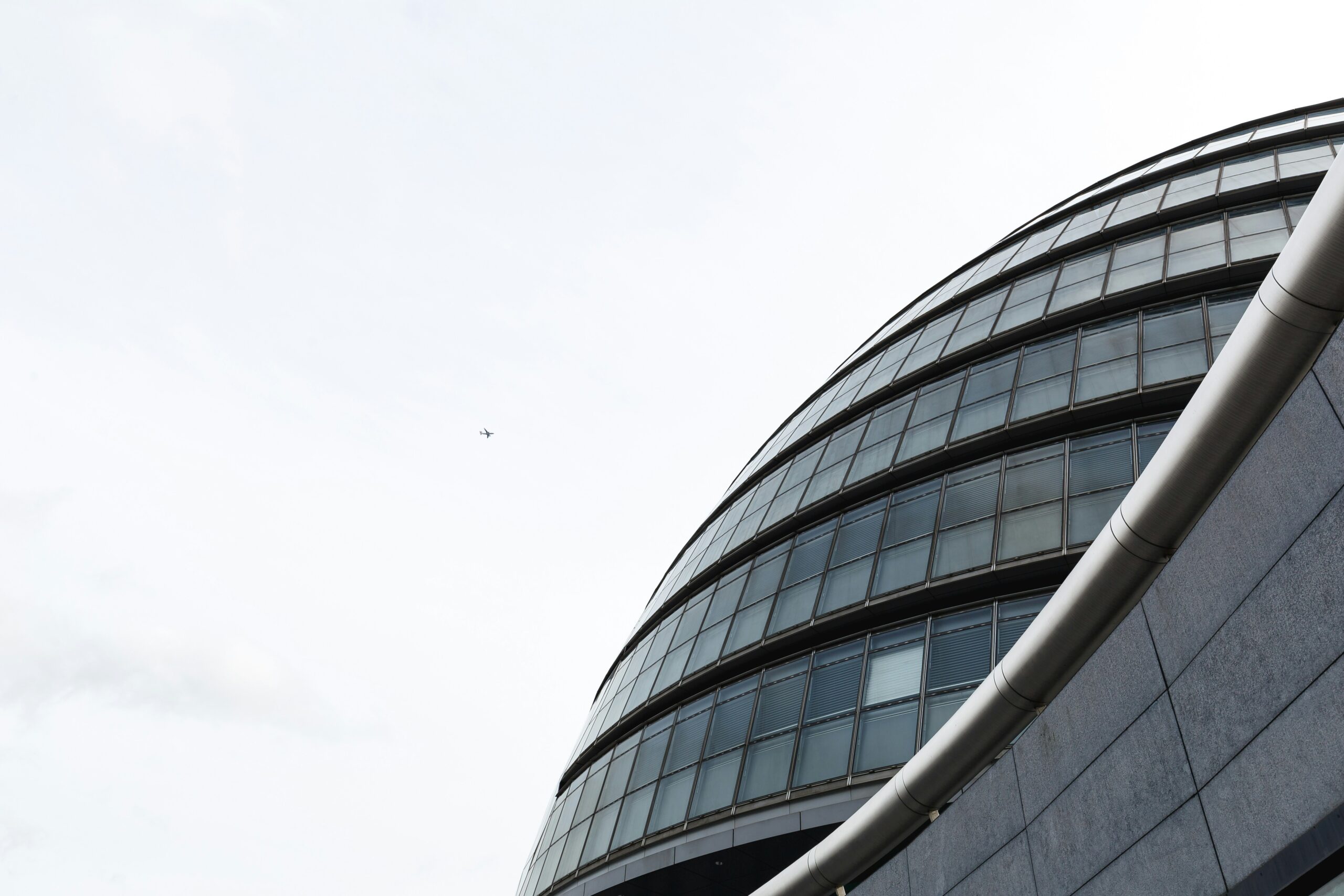
Street, or urban, photography is a dynamic genre that has evolved significantly over the decades, reflecting the changing nature of cities and the human experience within them. At its core, street photography is the art of capturing candid, unposed moments in public spaces, revealing the unscripted narratives and fleeting interactions that unfold on the streets.

The origins of street photography can be traced back to the late 19th century, when pioneers like Henri Cartier-Bresson and Eugene Atget (photo left) began documenting the bustling streets of Paris. These early practitioners recognized the camera’s ability to freeze time and preserve the rhythms and textures of urban life. They would often move stealthily through the crowds, their sharp eyes and quick reflexes allowing them to immortalize the spontaneous gestures and expressions that defined the city’s character.
As technology advanced, so too did the tools of the street photographer. The introduction of smaller, more discreet cameras, such as the Leica, enabled greater mobility and less intrusive shooting, allowing photographers to blend seamlessly into the environment and capture their subjects without disrupting the natural flow of the scene. This shift towards greater anonymity and unobtrusive shooting techniques became a hallmark of the street photography genre, as photographers sought to preserve the authenticity and spontaneity of their subjects.
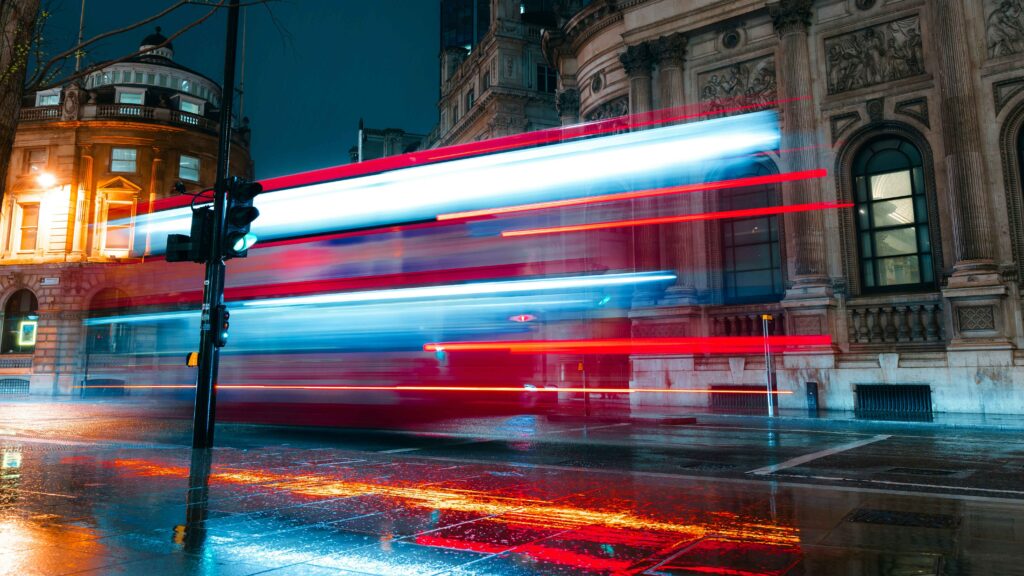
In the mid-20th century, street photography experienced a golden age, with the rise of influential figures like Robert Frank, Garry Winogrand, and Diane Arbus. These photographers used their cameras to explore the social and cultural complexities of urban environments, often focusing on the marginalized, the eccentric, and the overlooked. Their work challenged traditional notions of beauty and aesthetics, revealing the gritty, the mundane, and the extraordinary in the everyday.
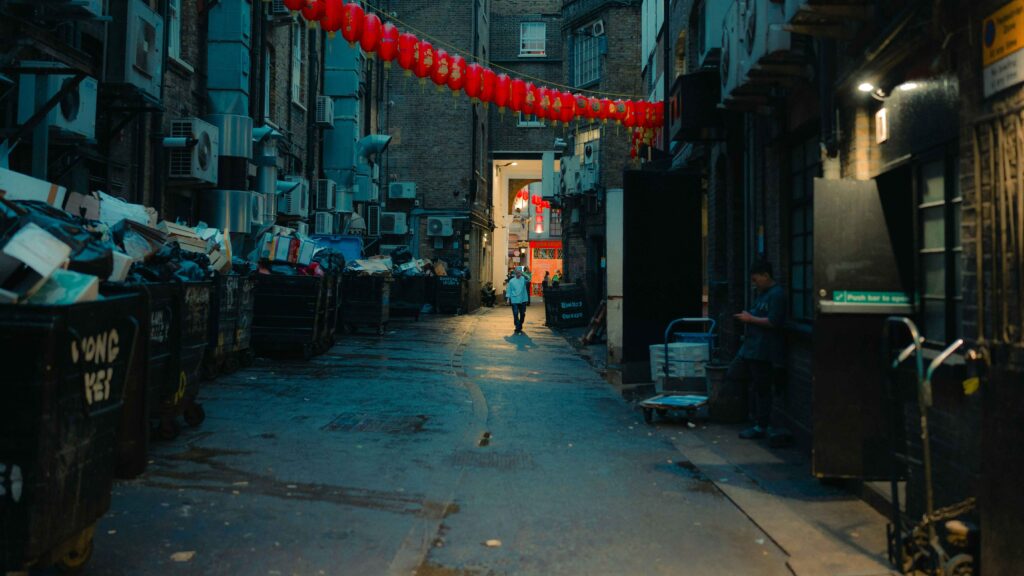
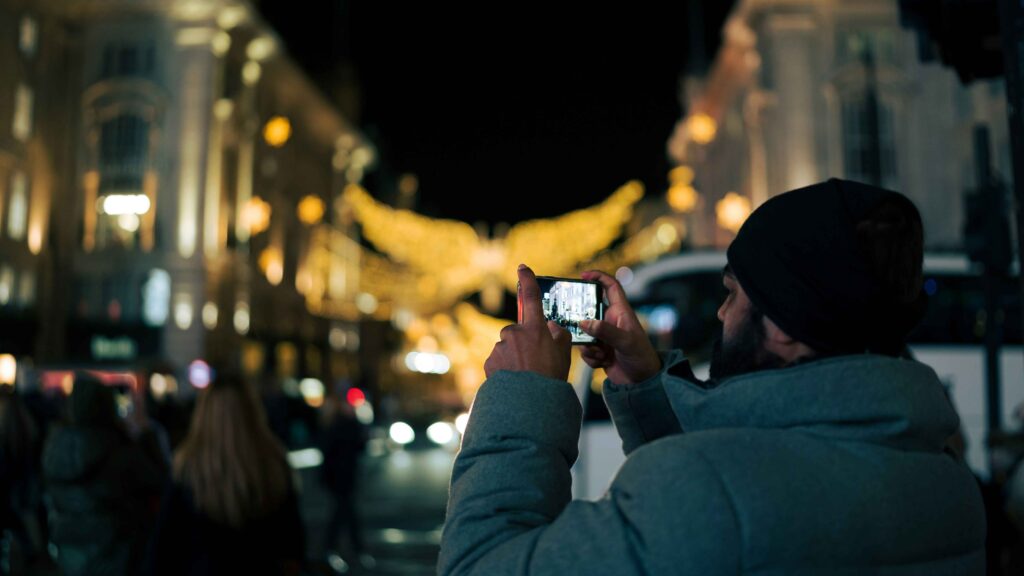
Today, street photography continues to evolve, influenced by the rapid changes in technology and the urban landscape. The development of smartphones and the rise of social media have democratized the art form, allowing anyone with a camera to capture the pulse of the city.
However, this accessibility has also sparked debates about the ethics and boundaries of street photography, as photographers navigate the fine line between documenting the public sphere and respecting individual privacy.
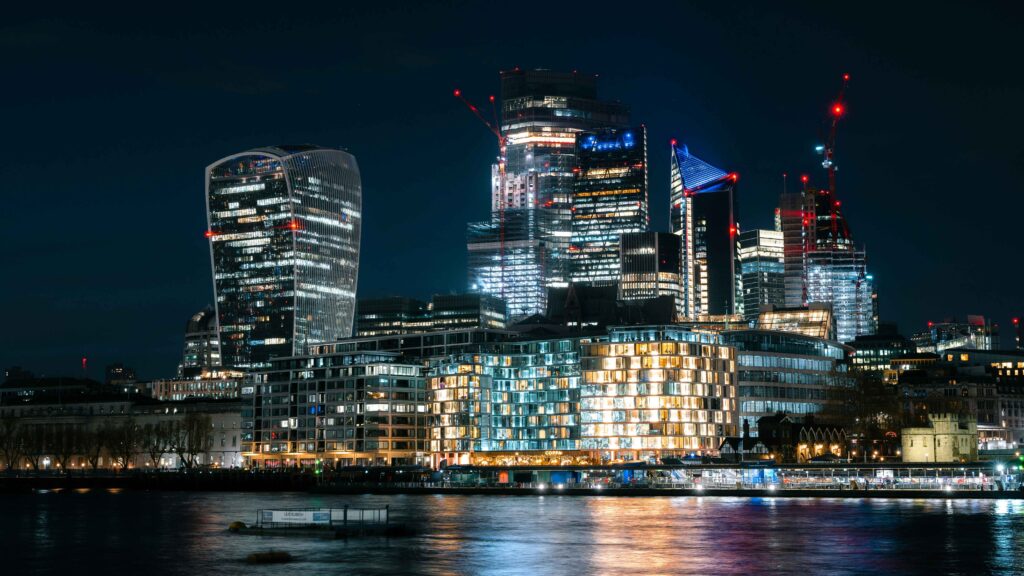
Take a trip out to London to explore urban photography:
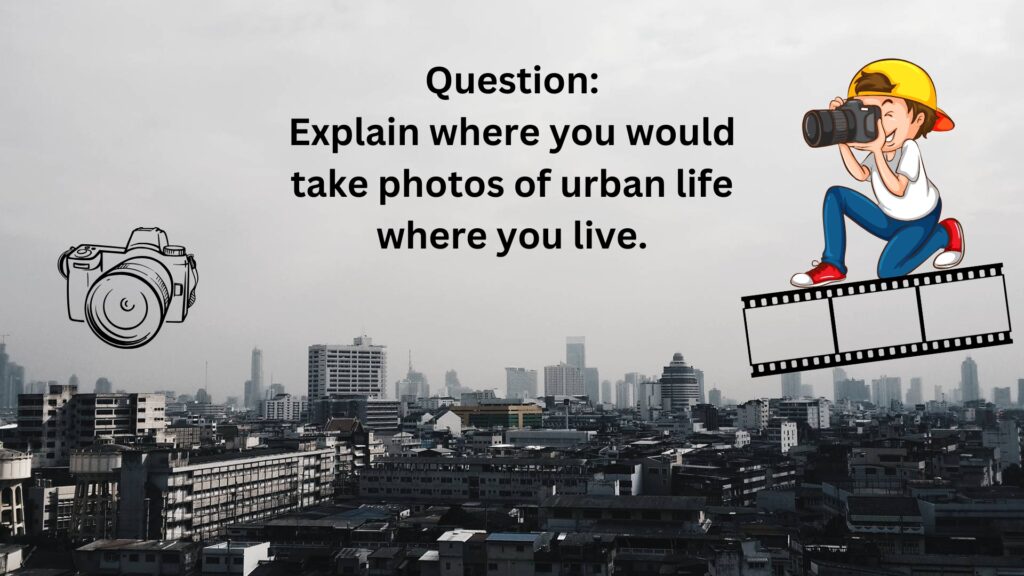
QUESTION:
VOCABULARY: