Did you know?
A Wildebeest is also known as a gnu.
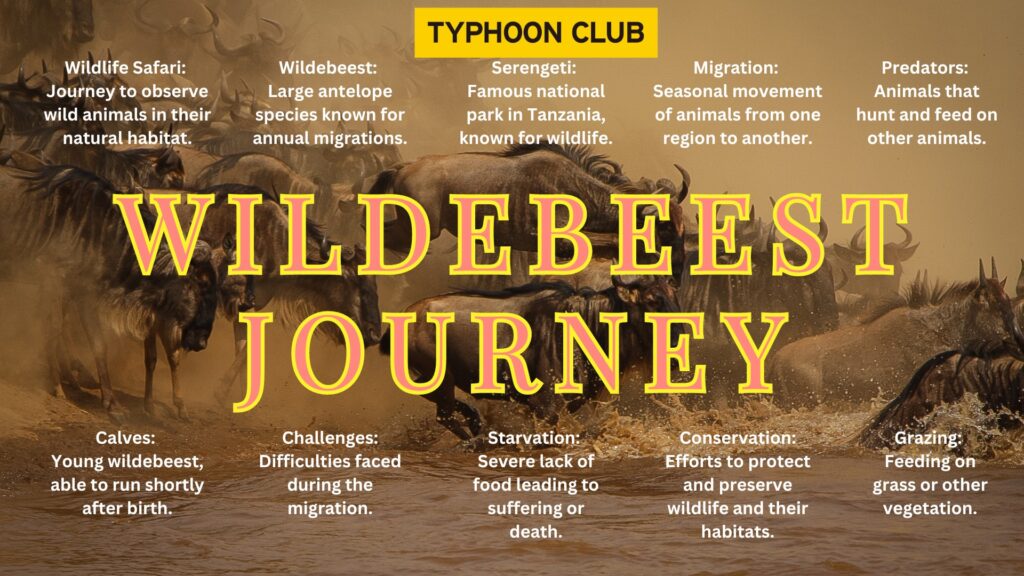
Visiting Africa to experience a wildlife safari is probably placed at the top of everyone’s wish list. Seeing lions, elephants and zebras close up can be an amazing experience; a sight that will be remembered forever. We should not forget the wildebeest either. So many large beasts travelling across the open land, grazing or crossing rivers filled with hungry crocodiles is enough to make anyone’s heart stop. Witnessing the wildebeest requires careful attention to detail. You will have to study a map and a calendar very closely, for these animals are always on the move. You have to be at the right place at the right time.
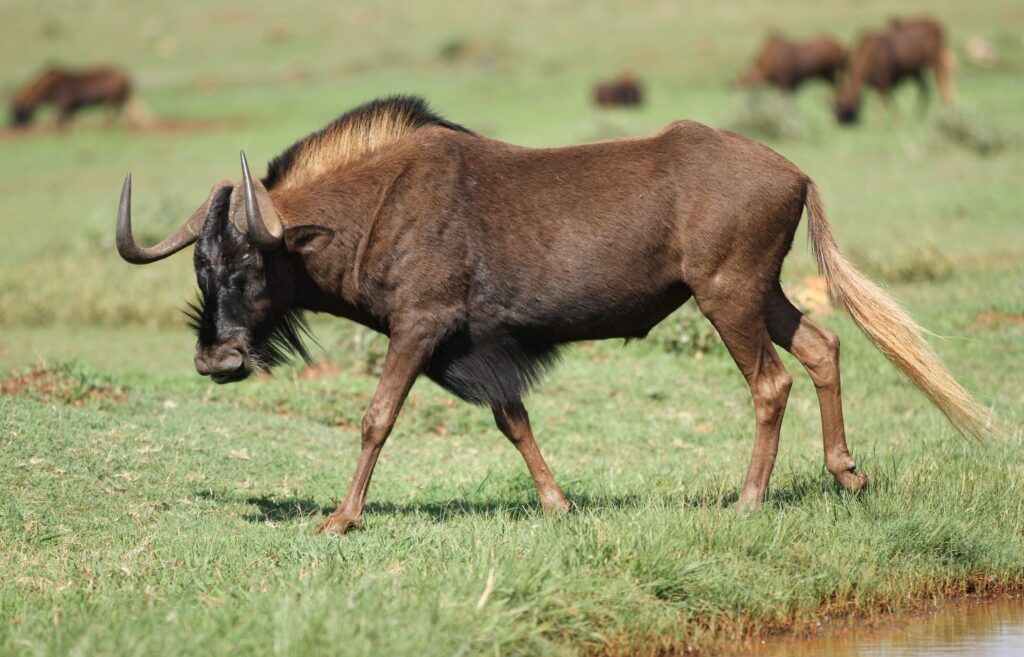
Wildebeest belong to the antelope family and there are two species: the black wildebeest and the blue. The blue wildebeest live mainly in East Africa. The black wildebeest spend the whole year chasing the rain. Wherever there is rainfall, there is hope for enough food and water to survive.
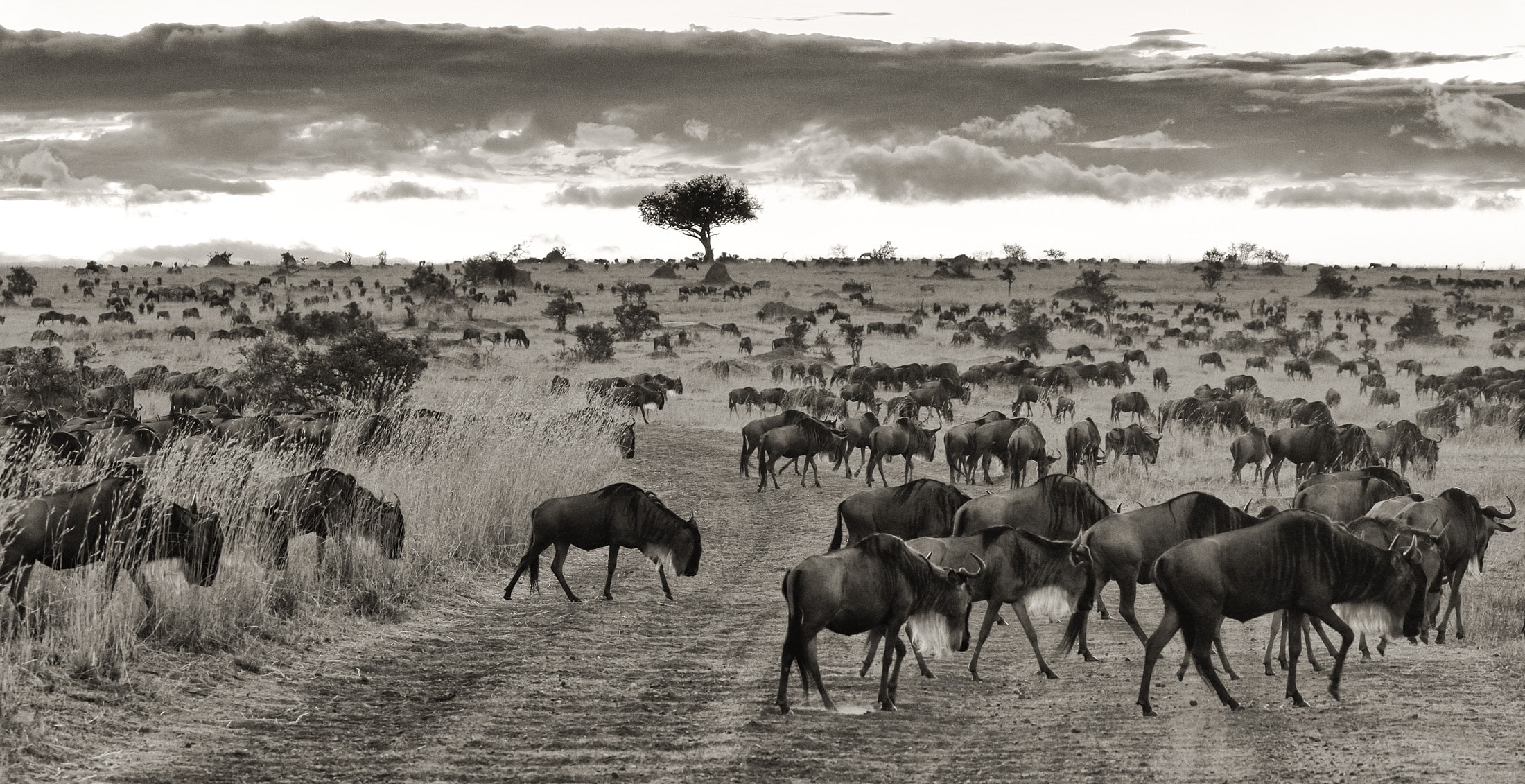
At the beginning of the year, the wildebeest can be found on the edge of the Serengeti in northern Tanzania. Wildebeest have been grazing there for over one million years. It is an important period because it’s when the females give birth. Within two days, calves can run as fast as their mothers. It is just as well, as it is not long before the migration begins. In March, about two million wildebeest begin to move on their dangerous journey.
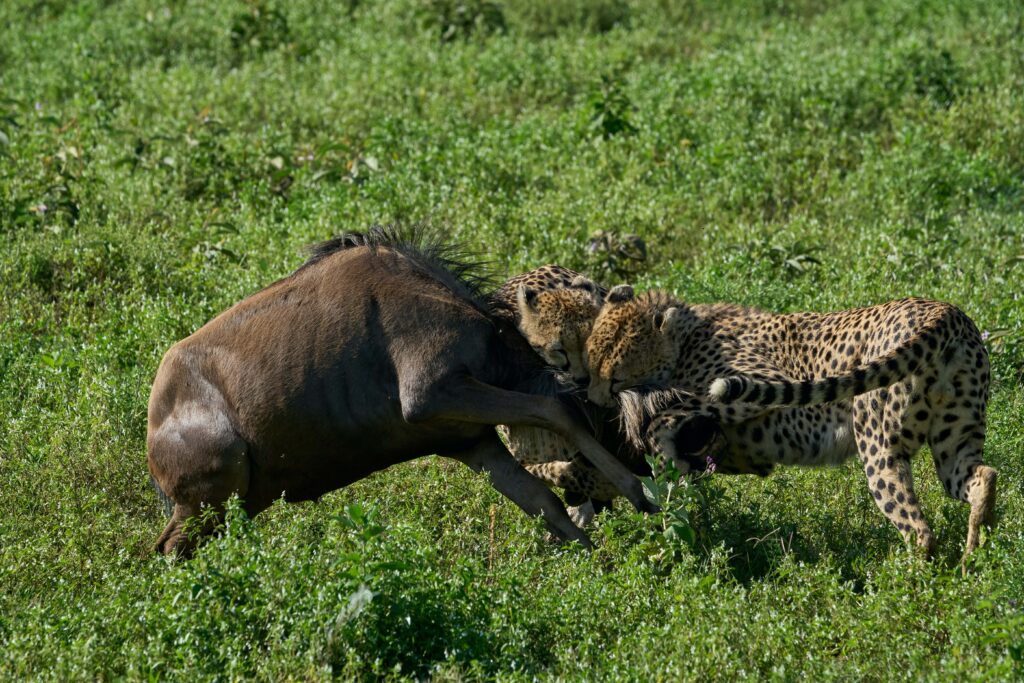
The month of May is the wettest month of the year and the wildebeest gather speed. They do not eat as much and longer distances are covered each day. Life begins to get increasingly difficult for the animals. There is less rain, so less water to drink and less grass to feed on. Over the year up to 200,000 wildebeest will die from starvation or disease.
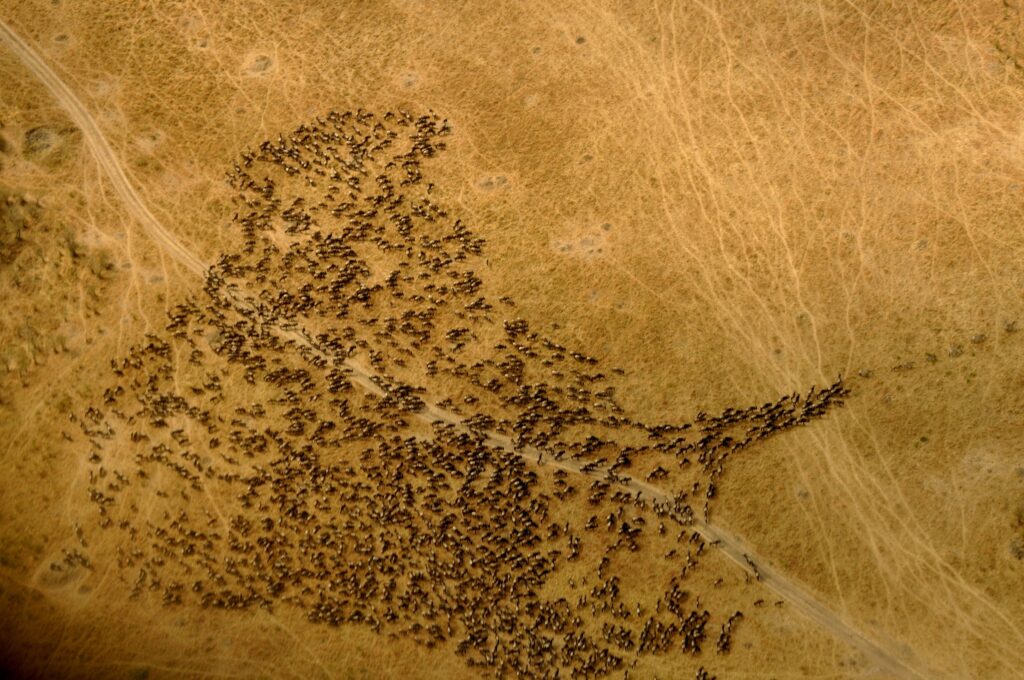
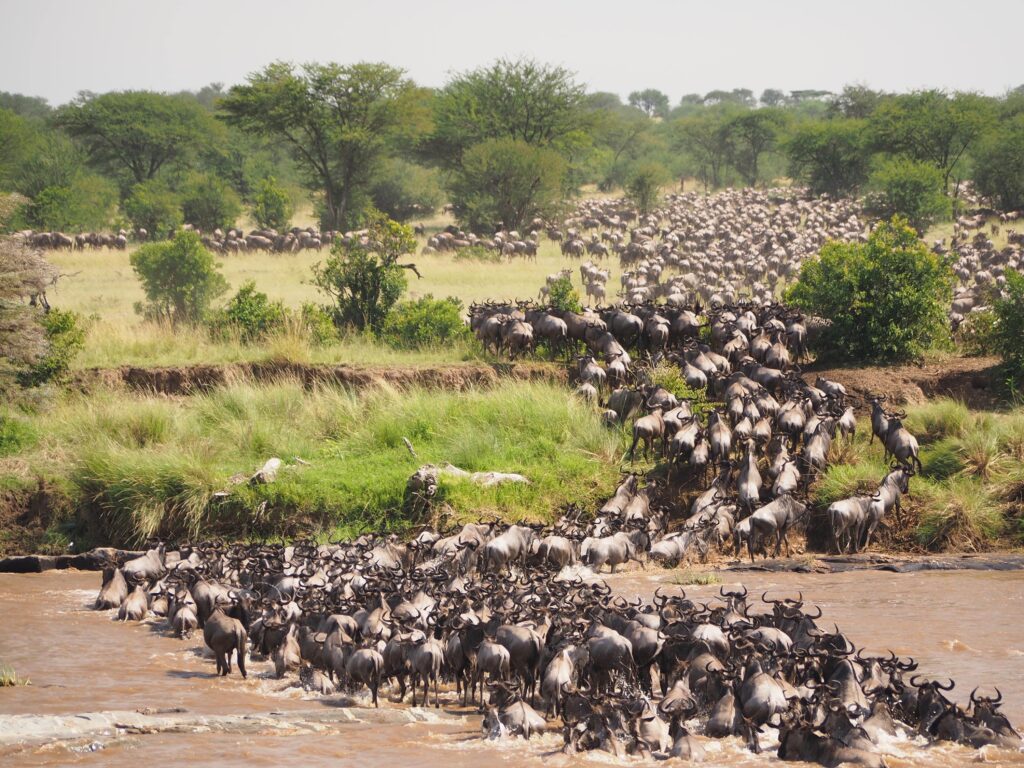
Life gets no easier by September when the herds have to cross the River Mara. If the crocodiles do not get them, they have to face further attacks from predators who wait on the riverbanks. If they survive, they are able to graze in the Masai Mara National Park before moving back towards the Serengeti. Twelve months will have passed; 3,000 kilometres will have been covered. Once it is over, they begin their 3,000 kilometre journey all over again.
Question:
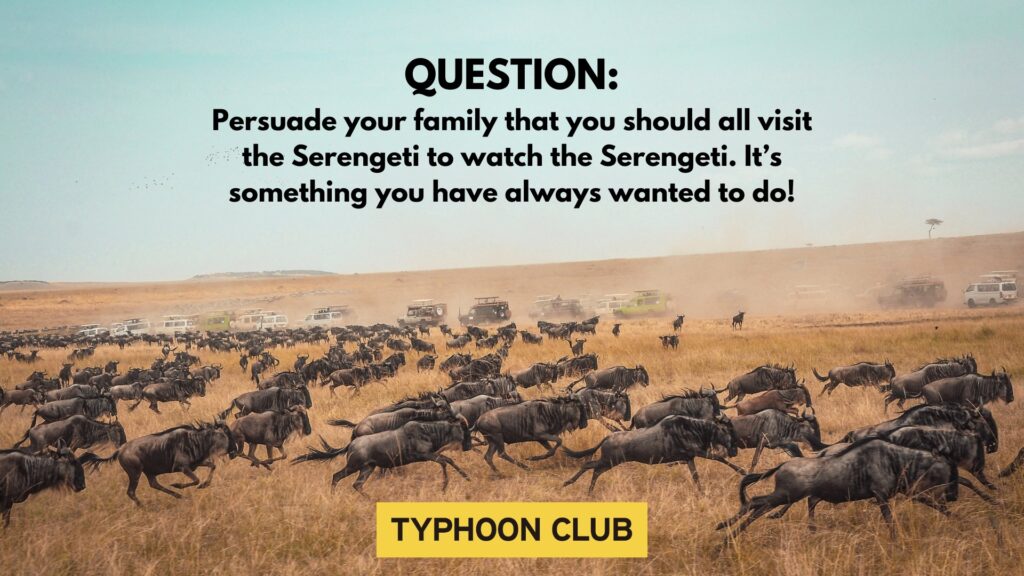
Watch the wildebeest here
VOCABULARY